Key Takeaways
- The central PM E-DRIVE scheme offers up to ₹5,000 off on eligible electric two-wheelers.
- Subsidy applies as an instant upfront price cut on your dealer tax invoice.
- Claims require Aadhaar face authentication through the official PM E-DRIVE app.
- Personal electric cars receive ₹0 direct central purchase subsidy.
- The scheme window runs until 31 March 2028, subject to available funds.
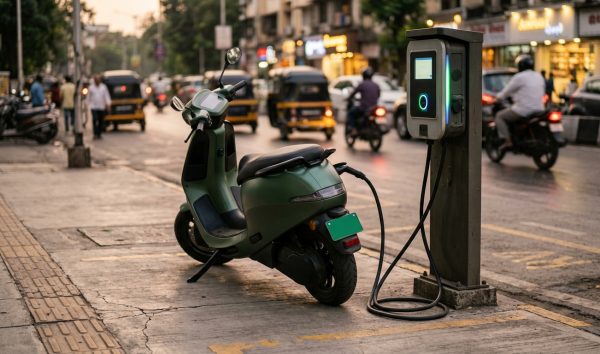
The central ev subsidy in india operates under the PM E-DRIVE scheme, providing an upfront discount of ₹2,500 per kWh capped at ₹5,000 for qualifying electric two-wheelers. The incentive is directly deducted from the dealer tax invoice upon Aadhaar-based e-KYC verification. Before buying, buyers can check RC details and registration status to ensure their vehicle records reflect correctly on central transport portals.
| Feature | Electric Two-Wheeler (e-2W) | Electric Three-Wheeler (e-3W L2/L3) | Personal Electric Car (M1) |
|---|
| Central Incentive Rate | ₹2,500 per kWh | ₹2,500 per kWh | ₹0 (No direct subsidy) |
| Maximum Subsidy Cap | ₹5,000 per vehicle | ₹25,000 per vehicle | Nil |
| Ex-Factory Price Limit | ₹1,50,000 (₹1.5 lakh) | ₹2,50,000 (₹2.5 lakh) | Not Applicable |
| Verification Method | Aadhaar Face Authentication | Aadhaar Face Authentication | None |
| Scheme Validity | 31 March 2028 | 31 March 2028 | Not Applicable |
Understanding the PM E-Drive Subsidy Scheme in 2026
The Ministry of Heavy Industries notified the PM Electric Drive Revolution in Innovative Vehicle Enhancement (PM E-DRIVE) scheme to accelerate clean mobility across India. It officially commenced on 1 October 2024, replacing previous transitional schemes like FAME-II and EMPS 2024. As of October 2026, the overall financial outlay stands enhanced to ₹11,900 crore, securing extended support for mass transport and two-wheelers.
Through an amendment issued on 10 August 2026, the central government extended demand incentives for electric two-wheelers until 31 March 2028. The total funding earmarked for two-wheelers rose to ₹2,767 crore to support 45,79,120 units. However, the scheme is strictly fund-limited; if the allocation finishes ahead of March 2028, the window for generating new subsidies closes early.
Warning: OEM portal submissions close on 31 December 2027, and vehicle quotas operate on a first-come, first-served basis until allocated funds run out.
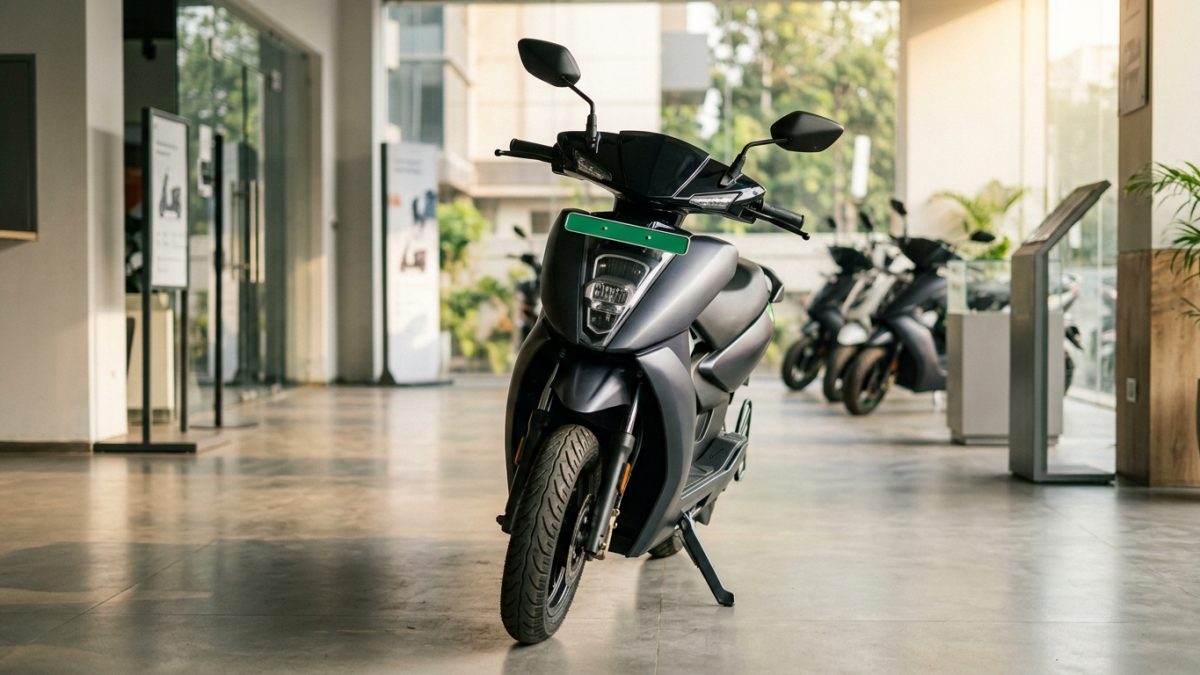
The central subsidy on electric vehicles follows specific battery-capacity benchmarks rather than flat discounts. For electric two-wheelers, the current formula provides ₹2,500 per kWh of advanced battery capacity. This rate is strictly subject to a monetary ceiling of ₹5,000 per scooter and cannot exceed 15% of the ex-factory price.
Because high-speed electric scooters in India generally feature battery capacities of 2.0 kWh or more, most qualifying buyers receive the maximum ₹5,000 rebate. Premium scooters exceeding the ₹1,50,000 ex-factory price ceiling are completely disqualified from central support.
| Vehicle Segment | Subsidy Calculation | Maximum Cap | Ex-Factory Cap |
|---|
| Electric 2-Wheelers (e-2W) | ₹2,500 per kWh | ₹5,000 (or 15% ex-factory) | ₹1,50,000 |
| E-Rickshaw / E-Cart (L2/L3) | ₹2,500 per kWh | ₹25,000 | ₹2,50,000 |
| E-Ambulance | ₹30,000 per kWh | 35% of ex-factory price | Subject to scheme norms |
| E-Truck (with RVSF scrap) | ₹5,000 per kWh | 10% of ex-factory price | ₹1.25 crore |
For buyers considering popular models, reviewing the best electric scooter models in India helps identify which variants fall below the ₹1.5 lakh ex-factory ceiling.
Why Personal Electric Cars Remain Excluded from EV Subsidy in India
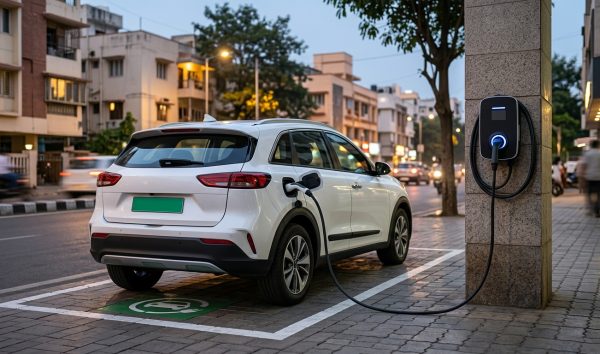
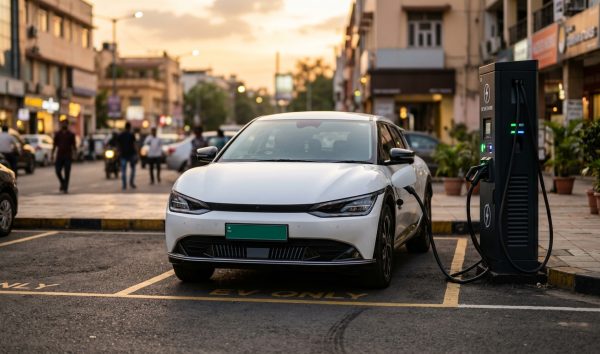
Under the PM E-DRIVE guidelines, private passenger electric cars receive zero upfront cash subsidy from the central government. Many prospective car buyers expect a purchase rebate, but national policy prioritises mass-market mobility segments over private four-wheelers.
Two-wheelers and three-wheelers comprise over 80% of all vehicles on Indian roads and generate the vast majority of urban vehicular pollution. Allocating public expenditure toward these high-volume categories yields significantly greater emission reductions per rupee spent than subsidising private passenger cars.
Moreover, private four-wheeler buyers represent higher-income brackets who can adopt electric mobility without direct state funding. Even without a direct subsidy, electric cars benefit from crucial indirect fiscal incentives:
- A concessional 5% GST rate compared to up to 28% plus 22% cess on petrol or diesel cars.
- Full exemptions on Registration Certificate (RC) issuance and renewal fees under central MoRTH rules.
- State-level road-tax rebates and waiver slabs across multiple regional transport departments.
For more details on private four-wheeler pricing, read our guide on electric car price and ownership costs in India.
Note: Commercial electric buses receive separate support under PM E-DRIVE, with ₹4,391 crore earmarked to deploy 14,028 public transit buses across major metropolitan cities.
PM E-Drive Scheme Eligibility for Vehicles and Buyers
Not every electric scooter qualifies for central demand incentives. The Ministry of Heavy Industries enforces stringent manufacturing, technical, and consumer eligibility criteria to protect public funds.
Vehicle Eligibility Rules
- The vehicle must be registered under the Central Motor Vehicles Rules (CMVR), 1989.
- It must feature advanced chemistry lithium-ion batteries meeting AIS 156 or AIS 038 (Rev 2) safety norms; lead-acid models are prohibited.
- The model must hold active Type-Approval and Phased Manufacturing Programme (PMP) certifications from authorised testing agencies like ARAI or ICAT.
- The manufacturer must offer a minimum warranty of at least 3 years or 20,000 km covering both the vehicle and the traction battery.
- Second-hand, retrofitted, or resold electric vehicles are ineligible for incentives.
Buyer Eligibility Criteria
- Individual buyers can claim the incentive for personal or commercial use on two-wheelers.
- Buyers can only claim one electric scooter subsidy per Aadhaar identity across the lifetime of the scheme.
- Electric three-wheelers qualify exclusively if registered as transport/commercial vehicles.
- Government departments and municipal agencies purchasing vehicles directly are barred from claiming PM E-DRIVE demand incentives.
Mistake to Avoid: Do not attempt to use the same Aadhaar card to claim subsidies on two electric scooters. The portal blocks duplicate claims automatically.
How to Claim EV Subsidy at the Dealership: Step-by-Step
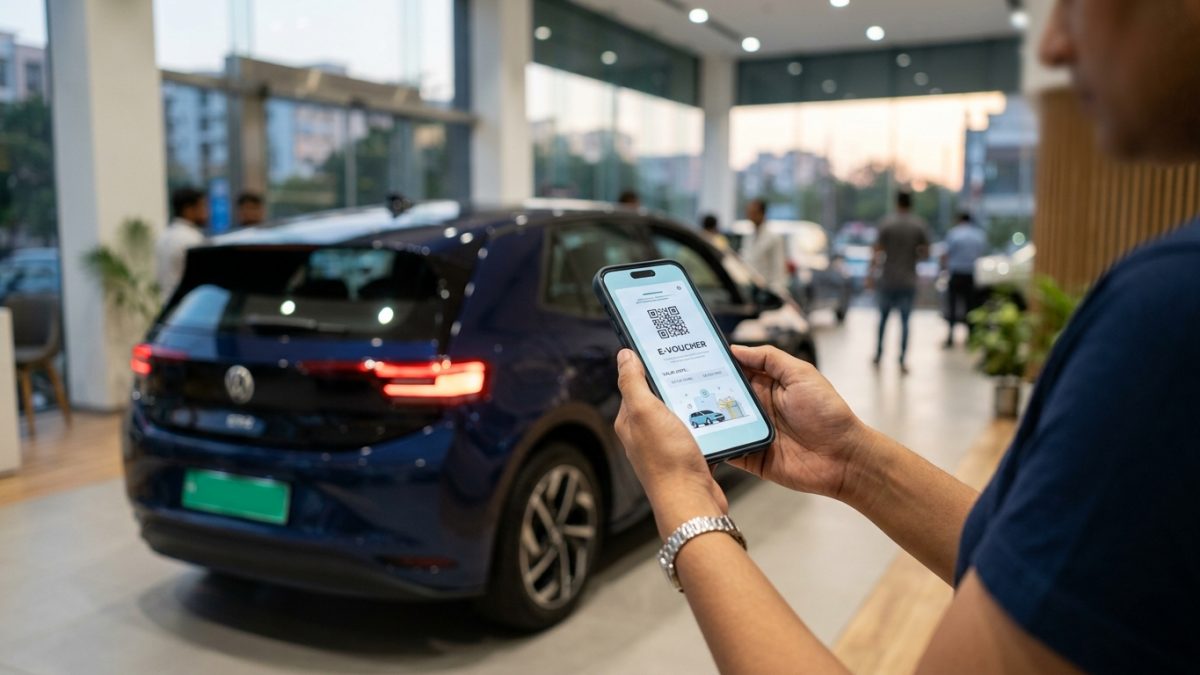
You do not need to submit forms on government websites or wait months for a direct bank transfer. The electric scooter subsidy is processed instantly at the showroom through the dealer portal.
- Select an approved EV model: Visit an authorised showroom and choose an eligible electric two-wheeler that carries valid PM E-DRIVE type-approval.
- Log in to the dealer portal: The dealer accesses the official portal at pmedrive.heavyindustries.gov.in and enters the vehicle VIN or chassis number to verify allotment.
- Complete Aadhaar face authentication: The showroom executive inputs your 12-digit Aadhaar number and uses the PM E-DRIVE mobile app alongside UIDAI's AadhaarFaceRD app to complete live face e-KYC.
- Generate the digital e-voucher: After successful biometric validation, the portal generates an e-voucher with a unique ID and sends an SMS download link to your Aadhaar-linked mobile number.
- Sign the e-voucher and take a selfie: You and the dealer sign the physical or digital voucher. The dealer takes a live photo of you with the vehicle or voucher and uploads the document to the portal.
- Receive your invoice deduction: The dealer applies the central subsidy (up to ₹5,000) as an upfront discount line-item on your tax invoice, and you pay only the net balance.
After the sale, the vehicle manufacturer matches the voucher with official registration records on the Parivahan portal to claim reimbursement from the central ministry within 120 days.
Mandatory Documents Needed at the Showroom

To ensure a seamless e-KYC verification and e-voucher generation at the showroom, carry the correct paperwork during your delivery appointment.
- Aadhaar Card: Must be linked to an active, working mobile number that you carry to the showroom.
- Secondary Photo ID: PAN Card, Driving Licence, Voter ID, or Passport.
- Address Proof: Required for RTO registration and state tax processing.
- Active Smartphone: Required on-site to receive the voucher SMS link and verify credentials.
- Corporate Documents (for registered businesses): Company PAN, GST registration certificate, and Aadhaar e-KYC of the authorised signatory.
State-Level EV Subsidies vs Central PM E-Drive
While the central PM E-DRIVE subsidy provides uniform rates nationwide, your final on-road price depends heavily on state policies. Many state governments previously offered direct cash incentives, but several have transitioned to non-fiscal support such as road-tax exemptions.
| State / UT | Road Tax Exemption | Registration Fee Concession | Direct Cash Purchase Pool |
|---|
| Delhi | 100% Exemption | Waived | Subject to active cabinet notifications |
| Uttar Pradesh | 100% Exemption | Waived | Notification-based exemption windows |
| Maharashtra | Full / Concessional | Applicable | Direct two-wheeler cash pools mostly expired |
| Karnataka | Full Exemption | Waived | Relies primarily on central PM E-DRIVE |
| Tamil Nadu | 100% Motor Vehicle Tax Waiver | Standard charges | Focuses on road tax exemptions |
To understand local concession rules in your city, consult our detailed breakdown of EV road tax exemptions and state slabs.
Common Dealership Bottlenecks and How to Avoid Them
While the e-voucher process is straightforward, buyers often encounter delays due to common administrative oversights at the showroom.
Aadhaar-Mobile Linkage Errors: If the mobile number linked to your Aadhaar profile is dormant or incorrect, the portal cannot transmit the e-voucher link. Update your mobile number at an Aadhaar Seva Kendra before initiating your vehicle booking.
Biometric Face Match Failures: Inadequate showroom lighting or outdated Aadhaar biometric records can cause facial recognition failures on the AadhaarFaceRD app. If repeated attempts fail, you may need to refresh your biometrics with UIDAI.
Booking Date vs Registration Lag: Central demand incentives are locked on the date the vehicle gets registered on VAHAN, not the booking date. If showroom staff delay your registration and the subsidy budget quota runs out, you lose the incentive.
Unauthorised Accessory Bundling: Some dealerships attempt to bundle chargers, extended warranties, and software subscriptions as mandatory add-ons to bypass the ₹1.5 lakh ex-factory limit. Ensure your base invoice cleanly reflects eligible ex-factory pricing.
Once your electric vehicle registration is finalised by the RTO, you can easily verify your RC status online to confirm that fuel type, hypothecation, and tax details are correctly logged.
Conclusion
Securing an ev subsidy in india under the PM E-DRIVE scheme provides an immediate ₹5,000 reduction on eligible electric two-wheelers through 31 March 2028. Make sure your Aadhaar is linked to your active phone number before heading to the showroom so your dealer can generate your e-voucher without friction.
Once you bring your new electric ride home, remember to track your official registration records, check your road-tax exemption status, and monitor your vehicle profile seamlessly on VahanX.