Key Takeaways
- Under PM E-DRIVE, the central electric scooter subsidy is ₹2,500 per kWh, capped strictly at ₹5,000 per vehicle.
- The incentive applies as an upfront dealer discount on the invoice via an Aadhaar e-voucher, not as a reimbursement.
- Only models with an ex-factory price up to ₹1,50,000 and advanced battery chemistry qualify for central financial support.
- Each Indian citizen can claim the central electric two-wheeler subsidy only once per Aadhaar number.
- Multiple states offer additional benefits, including up to 100% road tax and registration fee waivers.
The electric scooter subsidy in India under the central PM E-DRIVE scheme offers an incentive of ₹2,500 per kWh of battery capacity, capped at a maximum of ₹5,000 per vehicle. Buyers receive an instant upfront discount on the showroom invoice through an Aadhaar e-voucher without submitting reimbursement forms.
Before taking delivery of your new battery-powered ride, you can check RC details of any registered electric vehicle to verify its vehicle classification and registration status on the central database.
| Feature | PM E-DRIVE Details |
|---|
| Current Subsidy Rate | ₹2,500 per kWh of battery capacity |
| Maximum Central Subsidy Cap | ₹5,000 per electric two-wheeler |
| Ex-Factory Price Limit | Maximum ₹1,50,000 (ex-factory) |
| Subsidy Mechanism | Instant Aadhaar e-voucher discount on dealer invoice |
| Scheme Validity (E-2W) | Valid until 31 March 2028 |
Understanding the PM E-DRIVE Scheme for Two-Wheelers
The Prime Minister Electric Drive Revolution in Innovative Vehicle Enhancement (PM E-DRIVE) scheme was notified by the Ministry of Heavy Industries (MHI), Government of India, to accelerate electric mobility. Approved by the Union Cabinet on 11 September 2024 and gazetted vide S.O. 4259 (E) on 29 September 2024, the scheme officially became operational on 1 October 2024.
PM E-DRIVE replaced earlier programs, including the transitional Electric Mobility Promotion Scheme (EMPS) 2024 and the FAME-II program. The scheme carries a total budgetary outlay of ₹10,900 crore across multiple segments, including ₹2,000 crore for public charging infrastructure and ₹4,391 crore for electric buses.
While the broader framework was planned through 31 March 2026, the MHI extended the terminal date for electric two-wheelers to 31 March 2028. The dedicated budget for two-wheelers expanded from ₹1,772 crore to ₹2,767 crore to support approximately 45.79 lakh electric two-wheelers across India.
Note: You can review the official scheme notifications and portal guidelines directly on the PM E-DRIVE Portal managed by the Ministry of Heavy Industries.
Current Electric Scooter Subsidy Rates and Price Limits
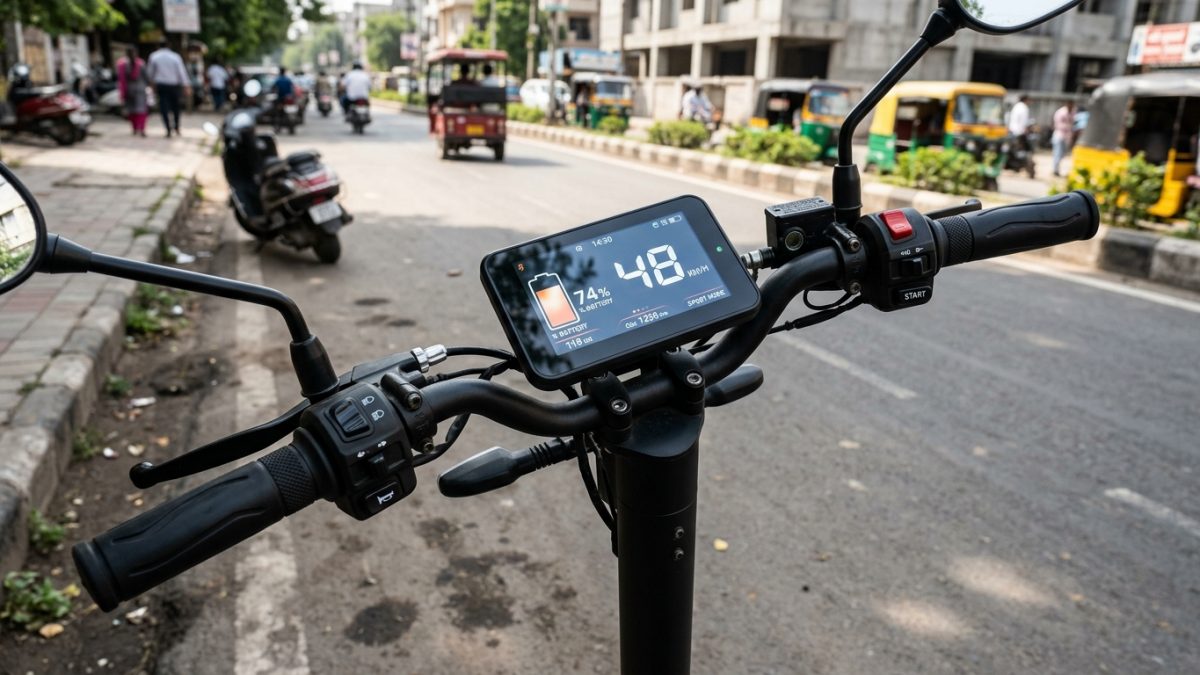
The central government subsidy on electric scooter purchases has transitioned to a sustainable, phased incentive structure. As of September 2026, the central demand incentive stands at ₹2,500 per kWh of battery capacity.
Regardless of battery size, the central demand incentive cannot exceed ₹5,000 per two-wheeler. Furthermore, the subsidy is capped at a maximum of 15% of the vehicle ex-factory price.
| Scooter Battery Size | Calculated Amount (@ ₹2,500/kWh) | Applicable Central Subsidy |
|---|
| 2.0 kWh | ₹5,000 | ₹5,000 |
| 2.9 kWh | ₹7,250 | ₹5,000 (Capped) |
| 3.4 kWh | ₹8,500 | ₹5,000 (Capped) |
| 4.0 kWh | ₹10,000 | ₹5,000 (Capped) |
Buyers exploring popular options like the tvs iqube subsidy amount or the ola electric scooter subsidy 2026 should note that both receive the standard capped benefit of ₹5,000. This is because their battery capacities exceed 2 kWh while remaining under the ₹1,50,000 ex-factory price ceiling.
Technical Eligibility Rules
- Ex-Factory Cap: Only scooters with an ex-factory price of up to ₹1,50,000 qualify. Vehicles exceeding this threshold receive ₹0 central incentive.
- Battery Chemistry: The two-wheeler must use advanced chemistries such as Lithium-ion, LFP, or NMC. Lead-acid battery scooters are strictly ineligible.
- Compliance & Certification: The model must comply with Central Motor Vehicle Rules (CMVR), 1989, and hold a valid model-eligibility certificate from testing bodies like ARAI or ICAT.
- OEM Warranty: The manufacturer must provide a mandatory warranty of at least 3 years or 20,000 km, covering the battery pack.
Warning: Dealerships cannot charge extra fees for mandatory battery warranties or PM E-DRIVE portal processing. Always inspect the itemised invoice.
How to Claim EV Subsidy in India: Aadhaar e-Voucher Process
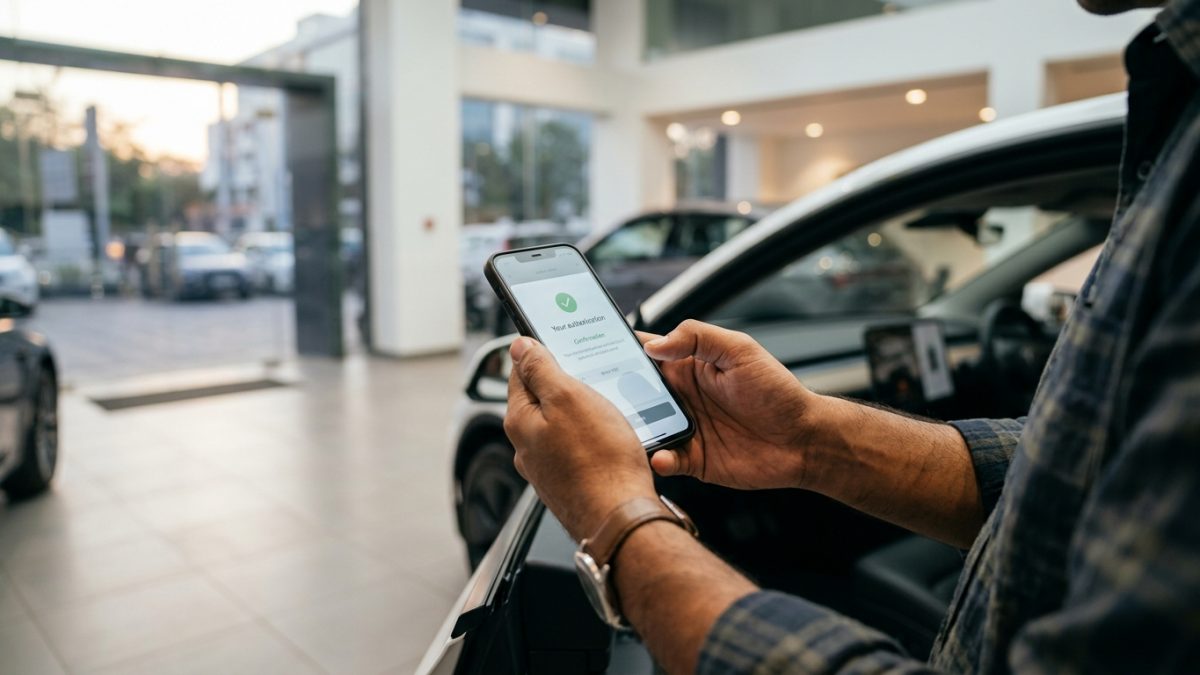
Many buyers ask how to claim ev subsidy in india. The process requires no paperwork or lengthy waiting periods because the discount applies directly to the showroom billing invoice through a digital Aadhaar e-voucher.
- Model Selection and VIN Check: The dealer confirms the vehicle model eligibility on the PM E-DRIVE portal and enters the chassis or VIN, which validates against central Vahan data.
- Buyer Eligibility Validation: The showroom staff enters your Aadhaar number and registered mobile number into the dealer portal to ensure no prior e-2W claim exists.
- Aadhaar Face e-KYC: The dealer performs a live biometric facial scan using the official PM E-DRIVE App paired with the UIDAI Aadhaar FaceRD application.
- e-Voucher Generation: Once facial recognition confirms your identity, the central system issues a unique, numbered PM E-DRIVE e-Voucher.
- Buyer Authorisation: An SMS with a secure link arrives on your Aadhaar-linked mobile phone. You open the link, review the details, and digitally sign the e-voucher.
- Showroom Invoice Deduction: The dealer countersigns the voucher, uploads the final signed copy with a customer selfie, and deducts the subsidy up to ₹5,000 from your bill.
- OEM Settlement: The vehicle manufacturer batches these digitally authenticated vouchers and files for government reimbursement within the mandated 120-day window.
Because the process relies entirely on mobile verification, make sure your phone number is current. If needed, review how to link mobile number and Aadhaar with vehicle registration to avoid operational mismatches.
Documents Required for Aadhaar e-KYC Verification
The PM E-DRIVE verification workflow is paperless. However, you must present specific credentials at the dealership to successfully complete the digital e-KYC.
- Aadhaar Card: Your 12-digit Aadhaar number for identity matching.
- Aadhaar-Linked Mobile Phone: An active mobile phone that can receive government SMS alerts, OTPs, and the digital e-voucher link.
- Physical Presence of the Buyer: The registered owner must be physically present at the showroom for live facial authentication via the Aadhaar FaceRD system.
- Business Documents (For Corporate Buyers): Company PAN card, active GST registration certificate, and Aadhaar e-KYC of the authorised corporate signatory.
Tip: Ensure good ambient lighting when completing facial verification at the showroom to prevent UIDAI FaceRD biometric camera timeouts (Error Code 103).
State-Wise Electric Scooter Tax Exemptions and Subsidies
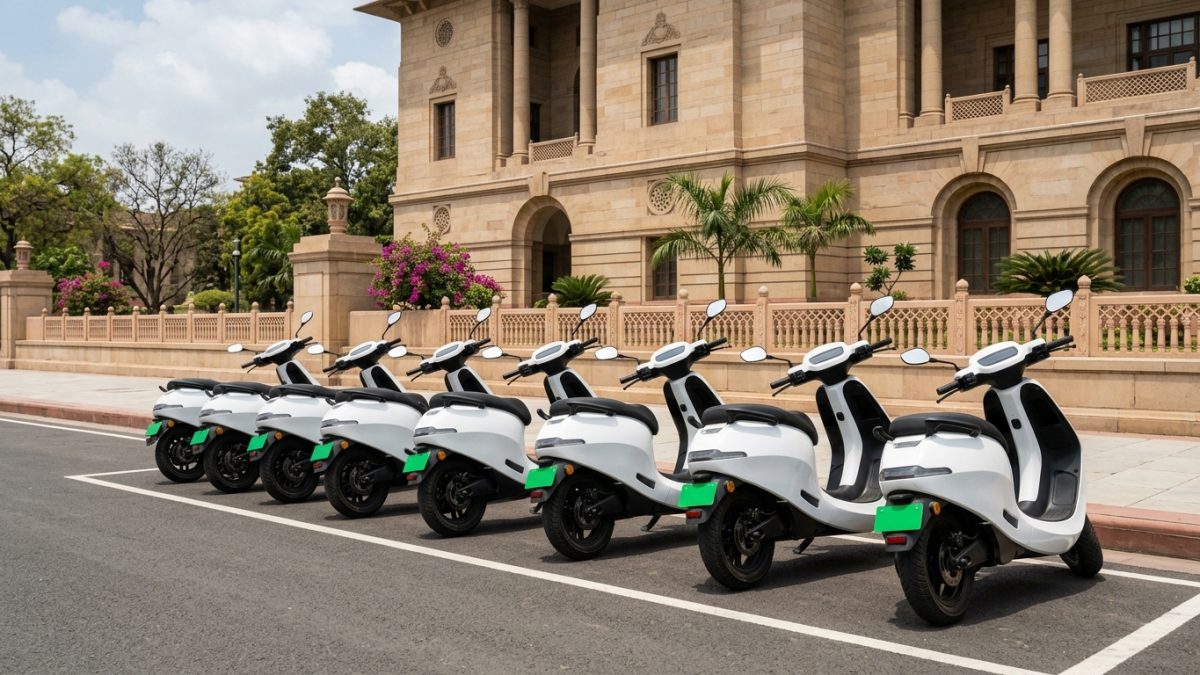
While the central pm e-drive subsidy electric scooter structure remains uniform across the country, individual state EV policies determine road tax and registration fee waivers. In many regions, road tax exemptions save buyers significantly more than the central incentive itself.
| State / UT | Road Tax Exemption | Registration Fee Exemption | State Purchase Subsidy |
|---|
| Delhi | 100% Waiver | 100% Waiver | Subject to active policy phases |
| Tamil Nadu | 100% Waiver | 100% Waiver | Nil (Policy valid till 31 Dec 2027) |
| Telangana | 100% Waiver | 100% Waiver | Nil |
| Maharashtra | 100% Waiver | Standard RTO Fees | Subject to state budget tranches |
| Uttar Pradesh | 100% Waiver | 100% Waiver | Subject to operational guidelines |
| Karnataka | 100% Waiver (0% Tax) | Standard RTO Fees | Nil (Local cesses may apply) |
Unlike the central PM E-DRIVE incentive, which provides an instant discount at the showroom counter, direct state-level cash subsidies operate through Direct Benefit Transfer (DBT). These require buyers to apply separately on the respective state transport or discom portal after vehicle registration.
Common Showroom Pitfalls and How to Avoid Them
While the Aadhaar e-voucher mechanism simplifies purchasing, buyers can face technical or operational bottlenecks at the dealership.
1. Aadhaar-Mobile Mismatch
If your current active SIM card is not linked to your Aadhaar profile, you will not receive the digital voucher link. Always update your primary mobile number at an Aadhaar Seva Kendra before booking your vehicle.
2. FaceRD Recognition Glitches
Showrooms with poor lighting frequently experience facial authentication timeouts. Request dealership staff to conduct the live scan in a well-lit area to ensure fast matching with the UIDAI repository.
3. Variant Price Exclusions
Dealers occasionally add optional accessories, software packages, or charger costs as mandatory add-ons. If the core ex-factory price of the two-wheeler exceeds ₹1,50,000, the central PM E-DRIVE portal automatically rejects the subsidy application.
4. VIN Mapping Delays
Before an e-voucher can generate, the vehicle identification number must be mapped by the manufacturer to the central database. If mapping is delayed, the dealer cannot issue the e-voucher or finalize the discounted billing invoice.
Single-Claim Rule: One Subsidy per Citizen
The central guidelines strictly enforce a single-purchase rule for private individuals. Under the PM E-DRIVE framework, one citizen can claim an ev subsidy on two wheeler models only once across their lifetime.
The central software records the verified Aadhaar number upon voucher generation. If the same Aadhaar number is submitted for another electric scooter anywhere in India, the portal blocks the transaction immediately. Commercial fleet operators purchasing multiple units must register using business credentials and corporate PAN documentation.
Before buying a pre-owned electric scooter, it is always wise to check RC details online to verify the original registration date, ownership transfer status, and technical specifications registered with the RTO.
Conclusion
Securing the electric scooter subsidy in India is now entirely digital, transparent, and settled directly at the showroom invoice. With the PM E-DRIVE scheme extended through March 2028, buyers can take advantage of the ₹5,000 central incentive alongside substantial state road tax waivers.
Before you complete your purchase, ensure your mobile number is linked with your Aadhaar card and verify that your chosen model sits comfortably under the ₹1.5 lakh ex-factory ceiling.