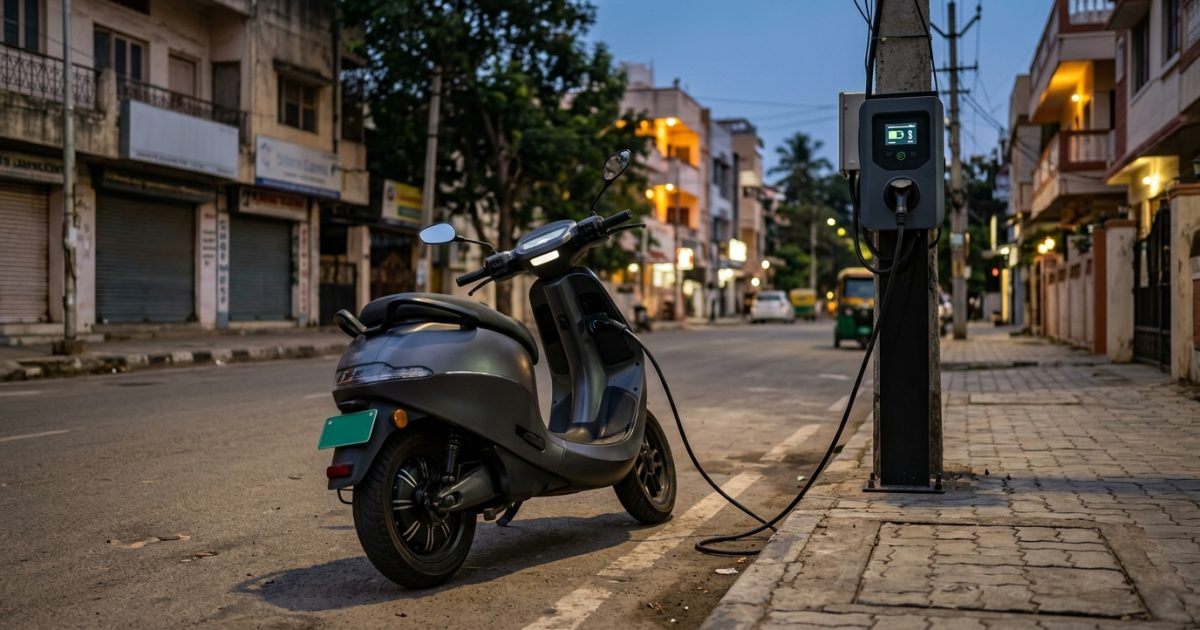
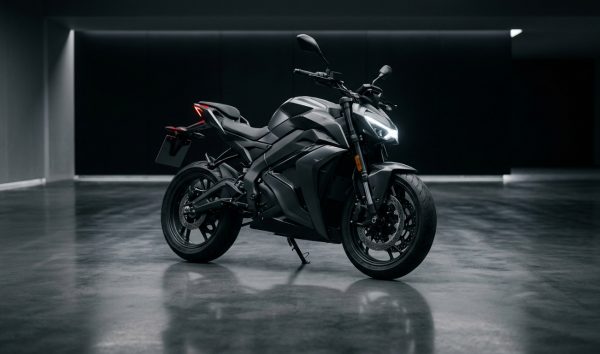
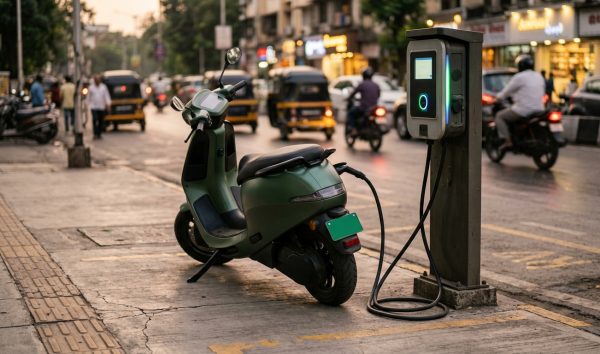
The best electric scooter in india for most buyers in 2026 is the Ather Rizta for balanced family practicality and safety, while the TVS iQube offers dependable build quality and smooth city manners. If you need maximum single-charge endurance, the Ola S1 Pro delivers unmatched certified mileage, whereas the Bajaj Chetak provides a durable, all-metal chassis.
Before investing in any new two-wheeler, you should always check vehicle verification guidelines and verify vehicle registration details. You can instantly check RC details to verify ownership, manufacturer specifications, and active hypothecation records across RTOs nationwide.
Key Takeaways
- Ather Rizta leads family commuting with a 34-litre boot, traction control, and segment-longest seat.
- Real-world electric scooter range is 25% to 35% lower than the official ARAI IDC claims.
- Electric two-wheeler running costs average ₹0.25 to ₹0.35 per km compared to ₹2.30 for petrol.
- The PM E-DRIVE subsidy offers an upfront discount of ₹2,500 per kWh (capped up to ₹10,000).
- Standard lithium-ion battery packs last 6 to 8 years (1,200 to 1,500 charge cycles).
| Metric / Feature | Family Commuter Pick | High-Range Pick | Premium Metal Pick |
|---|
| Top Recommended Model | Ather Rizta (S/Z) | Ola S1 Pro (Gen 2/3) | Bajaj Chetak (C3501) |
| Real-World City Range | 100–125 km | 170–245 km | 120–125 km |
| Running Cost per km | ₹0.28 – ₹0.33 | ₹0.25 – ₹0.30 | ₹0.30 – ₹0.35 |
| Central PM E-DRIVE Cap | Eligible (Up to ₹10,000) | Exceeds cap on top specs | Eligible (Up to ₹8,750) |
Top Electric Scooters in India 2026: Real-World Comparison
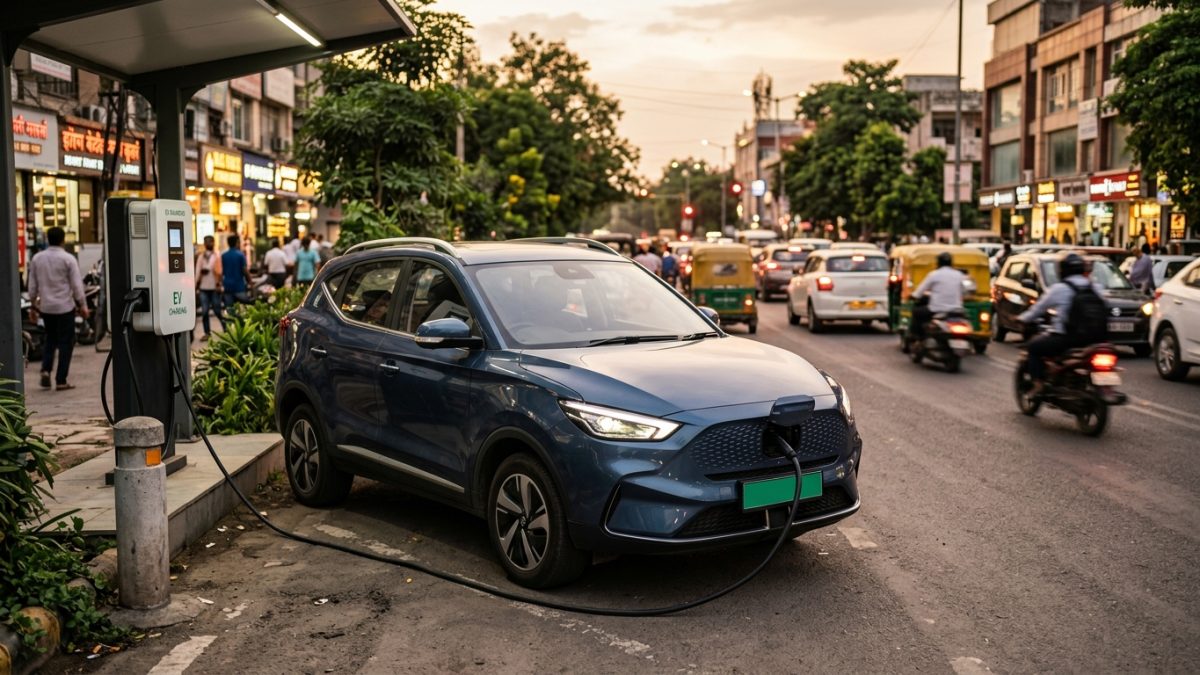
Choosing among the top electric scooters in india 2026 requires looking beyond brochure figures. Certified laboratory numbers often disguise actual city performance, real battery drain during peak summers, and true boot capacity.
Every commuter has distinct requirements. Whether you prioritize carrying groceries, navigating broken suburban roads, or carrying a pillion across 40 kilometers daily, picking the best electric scooter in india depends on verified real-world metrics.
| Model & Battery | Claimed IDC Range | Real-World Range | Delhi Ex-Showroom |
|---|
| Ather Rizta (2.9 / 3.7 kWh) | 123 / 161 km | 100–105 / 120–125 km | ₹1,21,549 – ₹1,59,000 |
| TVS iQube (3.4 / 5.3 kWh) | 145 / 212 km | 105–115 / 165–175 km | ₹1,36,628 – ₹1,75,760 |
| Bajaj Chetak (3.0 / 3.5 kWh) | 131 / 153 km | 100–105 / 120–125 km | ₹1,15,000 – ₹1,56,874 |
| Ola S1 Pro (4.0 / 5.2 kWh) | 242 / 320 km | 170–180 / 230–245 km | ₹1,34,999 – ₹1,75,000 |
Buyer Tip: Always verify whether the ex-showroom price quoted by your local dealer includes the mandatory portable charger and proprietary software packages before making payment.
TVS iQube vs Ather Rizta: The Best EV Scooter for Family Commuting
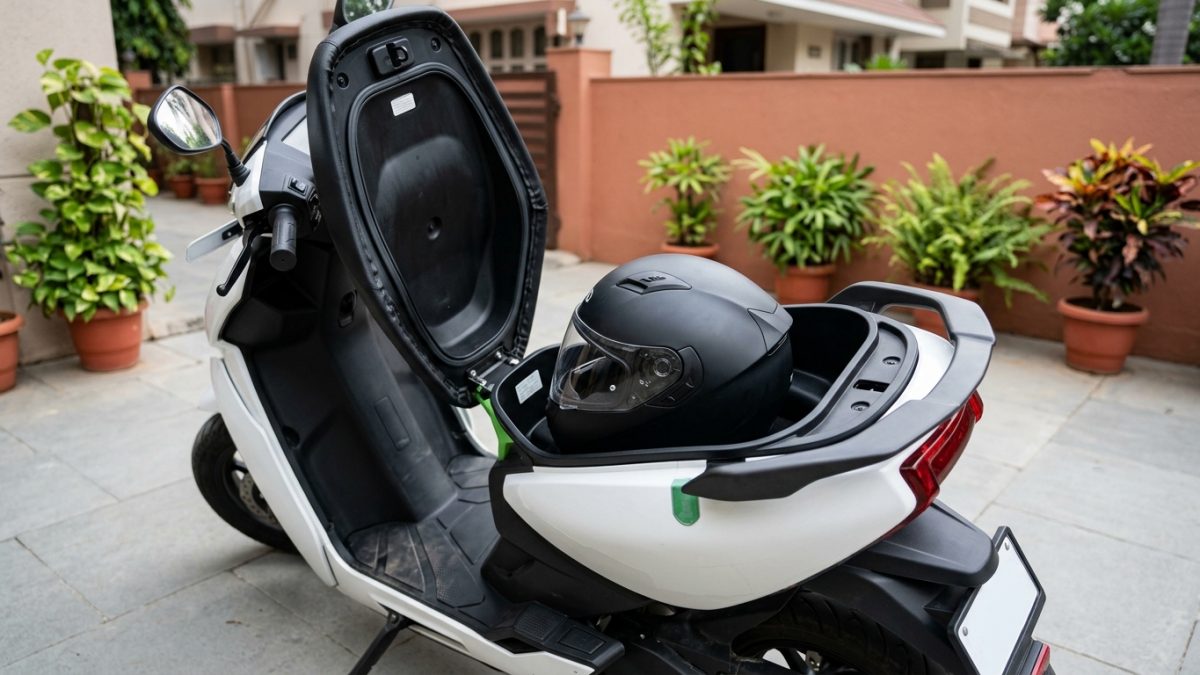
When selecting the best ev scooter for family needs, the choice usually comes down to tvs iqube vs ather rizta. Both two-wheelers prioritize passenger comfort, flat floorboards, and progressive acceleration over aggressive track handling.
Ather Rizta: Boot Utility and Active Safety
The Ather Rizta sets the benchmark for utility with its massive 34-litre under-seat storage space. You can easily stow a full-face helmet alongside rainwear and grocery pouches. An optional 22-litre front frunk increases luggage space further.
The Rizta also features segment-first SkidControl (traction control) for wet monsoons. Its wide, flat bench seat comfortably accommodates an adult rider and pillion without cramping elbow room.
TVS iQube: Plush Ride and Traditional Controls
The TVS iQube offers a very familiar scooter experience for multi-generational families. Its soft suspension handles rough potholes with ease, shielding the rider's spine from harsh impacts.
The flat floorboard easily holds a domestic LPG cylinder or water canister. TVS also provides a vast physical dealer and service footprint across tier-1, tier-2, and tier-3 towns.
Longest Range Electric Scooter in India: ARAI vs Real-World Range
The search for the longest range electric scooter in india leads directly to large-pack variants like the Ola S1 Pro (5.2 kWh) and TVS iQube ST (5.3 kWh). However, you must account for the reality gap between laboratory certification and road conditions.
Under Indian Driving Cycle (IDC) rules, tests run on a flat dynamometer with a single 75 kg rider at low speeds without headwinds. In daily city use, electric scooter real world range is typically 25% to 35% lower due to several environmental factors:
- Pillion Weight: Riding with a passenger adds 60 to 80 kg, reducing operational range by 15% to 20%.
- Aerodynamic Drag: Cruising steadily above 65 km/h drains battery capacity twice as fast as riding at 40 km/h.
- Extreme Ambient Heat: Summer temperatures above 40°C force battery management systems to divert current into active thermal cooling.
- Stop-and-Go Congestion: Constant stop-and-go acceleration on inclines accelerates pack consumption.
Planning Insight: Look for manufacturers that publish conservative, real-world numbers like Ather's TrueRange instead of relying solely on IDC lab tests.
Best Electric Scooter Under 1 Lakh for Daily City Commutes
If you are searching for the best electric scooter under 1 lakh, entry-level models provide an economical option for daily runs under 30 kilometers. These scooters offer reliable city speeds without inflating battery pack costs.
Top models in this bracket include the Bajaj Chetak 2501 series and the Ola S1 X (2 kWh). While they do not provide high-speed touring range, their 75 to 85 km true city range easily covers regular grocery and office trips.
For apartment dwellers without parking plug points, the Hero Vida VX2 series offers dual removable battery packs. You can detach the packs and charge them inside your flat using any standard 3-pin domestic wall socket. You can explore how dedicated charging units work in our guide to EV charging station at home setup cost.
Electric Scooter Running Cost per KM vs Petrol
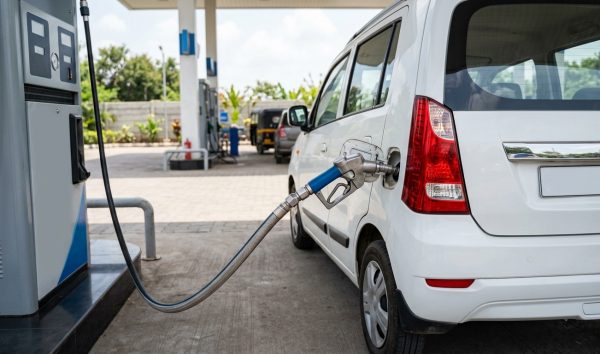
The main reason commuters switch to the best electric scooty for daily commute use is the low operational cost. Petrol scooters like the Honda Activa or TVS Jupiter cost significantly more per kilometer.
Calculating the true electric scooter running cost per km requires factoring in domestic grid power rates and charging efficiency losses:
| Expense Parameter | Electric Two-Wheeler | Petrol Two-Wheeler (110–125cc) |
|---|
| Fuel / Energy Consumption | 3.5 kWh per 100 km | 2.3 Litres per 100 km (43 km/l) |
| Cost per Unit / Litre | ₹7.50 per unit (kWh) | ₹102.00 per litre |
| Running Cost per km | ₹0.28 – ₹0.32 | ₹2.30 – ₹2.40 |
| Annual Fuel / Power (10,800 km) | ₹3,240 | ₹25,380 |
| Annual Periodic Servicing | ₹1,200 – ₹1,800 | ₹4,500 – ₹6,000 |
| Total Annual Running Cost | ₹4,740 | ₹30,580 |
A typical 30 km daily commuter saves over ₹25,000 every year on fuel and maintenance. Over five years, these savings exceed ₹1,25,000, which pays back the scooter's initial purchase price.
Maintenance Advantage: Electric scooters eliminate periodic oil renewals, spark plug cleaning, drive-belt replacements, and exhaust pipe repairs.
Battery Longevity, Replacement Costs, and Thermal Reliability
Battery longevity remains a top question for first-time buyers. Modern electric two-wheelers use automotive-grade Lithium-ion (NMC or LFP) battery packs rated for 1,200 to 1,500 full charge cycles.
For a standard commuter charging twice a week, 1,200 cycles translates to 6 to 8 years of dependable service before capacity drops below 75% State of Health (SoH).
- Warranty Protection: Ola offers an 8-year/80,000 km battery warranty, while Ather provides an extended 8-year battery warranty guarantee. TVS and Bajaj provide 3-year standard warranties extendable to 5 years.
- Replacement Expenses: If you replace a battery pack after the warranty expires, entry packs (2 to 2.5 kWh) cost ₹45,000 to ₹55,000, while larger packs (3.7 to 5.3 kWh) cost between ₹75,000 and ₹1,15,000.
- Thermal Throttling: On hot summer afternoons, Battery Management Systems (BMS) may temporarily engage limp mode (capping speed to 25 km/h) to protect the battery chemistry.
PM E-DRIVE Subsidy, RTO Registration, and Green Number Plates
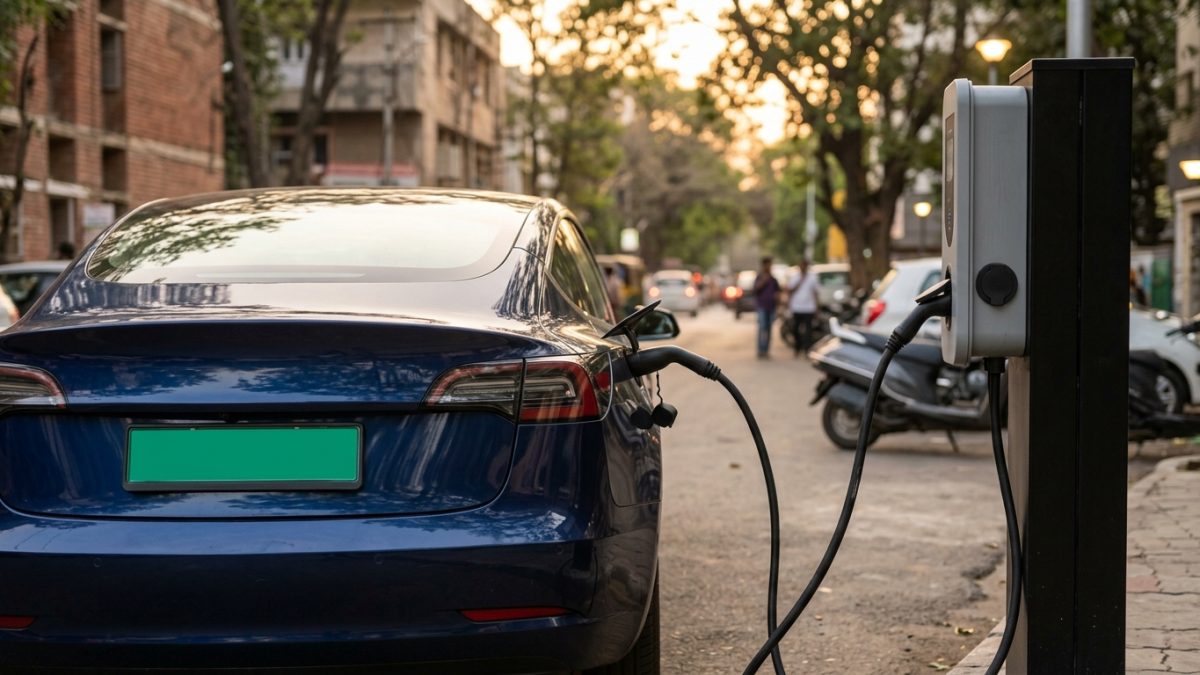
The Ministry of Heavy Industries manages the central PM E-DRIVE scheme, which supports over 24.79 lakh electric two-wheelers. Demand incentives taper to ₹2,500 per kWh of battery capacity, capped at ₹5,000 to ₹10,000 per scooter. Vehicles with an ex-factory price over ₹1,50,000 do not qualify for central incentives. You can read our detailed breakdown on electric scooter subsidy rules in India.
How to Claim the PM E-DRIVE Subsidy at the Dealership
- Select an Eligible Scooter: Choose an approved e-2W variant at an authorized dealership; the dealer confirms approval on the official PM E-DRIVE portal.
- Complete Aadhaar Face Authentication: The dealer verifies your identity on the PM E-DRIVE app using Aadhaar-linked mobile verification and face authentication.
- Generate the e-Voucher: The portal generates a unique digital e-Voucher ID and sends a download link to your mobile number.
- Sign for Upfront Discount: Sign the e-voucher digitally; the dealer counter-signs and deducts the subsidy directly from your invoice.
RTO Registration and Green HSRP Rules
Under Ministry of Road Transport and Highways (MoRTH Parivahan) rules, all electric vehicles must display a Green High-Security Registration Plate (HSRP) with white lettering. Electric two-wheelers attract a flat 5% GST rate, compared to 28% plus cess on petrol scooters.
States like Delhi, Uttar Pradesh, and Maharashtra provide a 100% road tax waiver for electric two-wheelers. If you are registering an EV or need assistance, check your local RTO office address and code before submission.
Required registration documents at the dealership include:
- Aadhaar Card for identity and local residential address proof.
- PAN Card or Form 60.
- Form 21 (Sale Certificate) issued by the dealer.
- Form 22 (Initial Roadworthiness Certificate) from the manufacturer.
- Active 5-year Third-Party + 1-year Own Damage EV insurance policy.
- Signed PM E-DRIVE e-Voucher acknowledgment.
Conclusion
Finding the best electric scooter in india comes down to balancing your daily travel distance, pillion comfort, and residential charging access. For families, the Ather Rizta and TVS iQube remain the top choices, while the Bajaj Chetak and Ola S1 offer rugged construction and class-leading battery size respectively.
Before you make a down payment, take a 10-kilometer test ride with a pillion and use VahanX to check RC details to verify that your vehicle identification and registration details are logged accurately.