Key Takeaways
- Third-party cover is mandatory under Section 146 of the Motor Vehicles Act, 1988.
- Comprehensive insurance bundles third-party liability with Own Damage (OD) protection for your car.
- Third-party policies never cover repair costs or accidental damage to your own vehicle.
- Statutory third-party rates are fixed by MoRTH and IRDAI based on engine displacement slabs.
- Old cars past 10 years with low valuation often save money on third-party-only policies.
When choosing third party vs comprehensive car insurance, the primary factor is what happens to your own vehicle after an accident. Third-party insurance protects you solely against financial and legal liabilities caused to external persons or property, offering zero compensation for your own car's repair costs. In contrast, comprehensive car insurance pays for accidental repairs, fire, theft, and natural calamities impacting your own vehicle.
Before evaluating insurance plans or renewing coverage, always verify your policy status. You can instantly run a check on your vehicle insurance expiry date to see whether your existing policy is active and what statutory details are registered with the RTO.
| Feature | Third-Party Liability | Comprehensive (Package) |
|---|
| Legal Requirement | Mandatory by law (MV Act) | Voluntary upgrade |
| Own Vehicle Damage | Not covered (₹0) | Covered up to IDV |
| Theft & Fire Protection | No | Yes (Pays full IDV) |
| Premium Determination | Fixed by MoRTH & IRDAI | Calculated on IDV & engine cc |
| Add-on Options | None available | Zero Dep, Engine Protect, RSA |
Understanding the Regulatory Framework and Legal Mandate
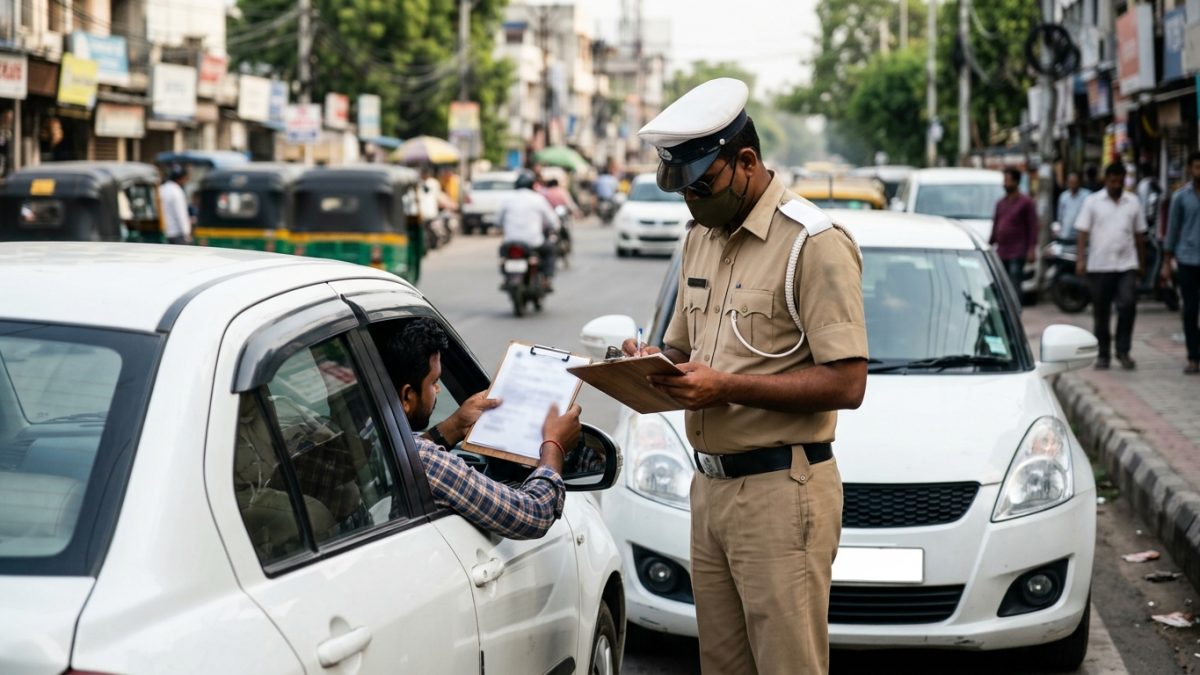
Under Section 146 of the Motor Vehicles Act, 1988, every motor vehicle operated on public roads in India must possess at least an active third-party liability insurance policy. Operating a vehicle without valid motor cover invites strict penalties under Section 196 of the Motor Vehicles (Amendment) Act. For a first offence, traffic authorities impose a fine of ₹2,000, up to 3 months imprisonment, or both. Repeat offences carry an increased fine of ₹4,000, imprisonment up to 3 months, or both.
Enforcement officers also maintain the power to impound uninsured vehicles under Section 206 of the Act. While central systems process these penalties through the official e-Challan portal, state governments can notify specific compounding fees under Section 200. Maintaining continuous coverage ensures you avoid steep penalties and court summons.
Warning: Driving without insurance risks vehicle impoundment and automatic camera-based challans linked to national RTO databases across every state boundary.
Compulsory Personal Accident (CPA) Cover
Every private car owner-driver must maintain Compulsory Personal Accident (CPA) cover under General Regulation 36 (GR-36) of the India Motor Tariff. As of October 2026, the CPA cover provides a fixed capital sum insured of ₹15 Lakh for accidental death or permanent total disability. The standard annual premium ranges between ₹275 and ₹350 plus 18% GST.
You can legally waive the CPA cover under two specific circumstances. You may opt out if you already hold a standalone annual personal accident policy with at least ₹15 Lakh coverage, or if you do not hold an effective driving licence as the registered owner.
Difference Between Third Party and Comprehensive Car Insurance
The core difference between third party and comprehensive car insurance rests on whose losses the insurance company pays after an accident. Understanding these operational boundaries prevents unexpected financial strain during an emergency.
Scope of Third-Party Cover
A third-party policy protects you exclusively against liabilities claimed by other parties. In legal terms, the car owner is the first party, the insurance provider is the second party, and the victim or damaged entity is the third party. If your vehicle causes an accident:
- Bodily Injury or Death: The policy covers unlimited financial compensation as determined by the Motor Accident Claims Tribunal (MACT).
- Third-Party Property Damage (TPPD): The default statutory cover pays up to ₹7,50,000 (₹7.5 Lakh) for damage caused to external vehicles, walls, or public property.
- Own Vehicle Costs: Does third party insurance cover own car damage? No, repair bills for your own bumper, chassis, or windshield are completely your responsibility.
Tip: While regulations allow car owners to lower TPPD coverage to ₹6,000 to save around ₹100 on premiums, this creates severe personal liability risk in court.
Comprehensive Car Insurance Benefits
When contrasting third party car insurance vs comprehensive, comprehensive policies package third-party protection together with Own Damage (OD) coverage. This package handles expenses caused by road accidents, overturning, self-ignition, lightning, earthquakes, floods, and riots. Key comprehensive car insurance benefits include:
- Total Loss and Theft: Pays the registered Insured Declared Value (IDV) if the vehicle is stolen or damaged beyond economical repair.
- Accidental Repairs: Settles repair and replacement bills at network partner garages across the country.
- Customisation with Add-ons: Allows policyholders to attach specialized riders that pay for depreciation, engine damage, and consumable items.
- No Claim Bonus Retention: Earns premium discounts on your Own Damage portion for claim-free policy terms.
| Risk Category | Third-Party Cover | Comprehensive Policy |
|---|
| Third-party pedestrian injury | Full MACT settlement | Full MACT settlement |
| Third-party vehicle damage | Up to ₹7,50,000 | Up to ₹7,50,000 |
| Dents from self-accidents | ₹0 (No cover) | Covered as per terms |
| Complete vehicle theft | ₹0 (No cover) | Insured Declared Value (IDV) |
| Monsoon water inundation | ₹0 (No cover) | Covered under Own Damage |
Third Party vs Comprehensive Car Insurance Premium Difference
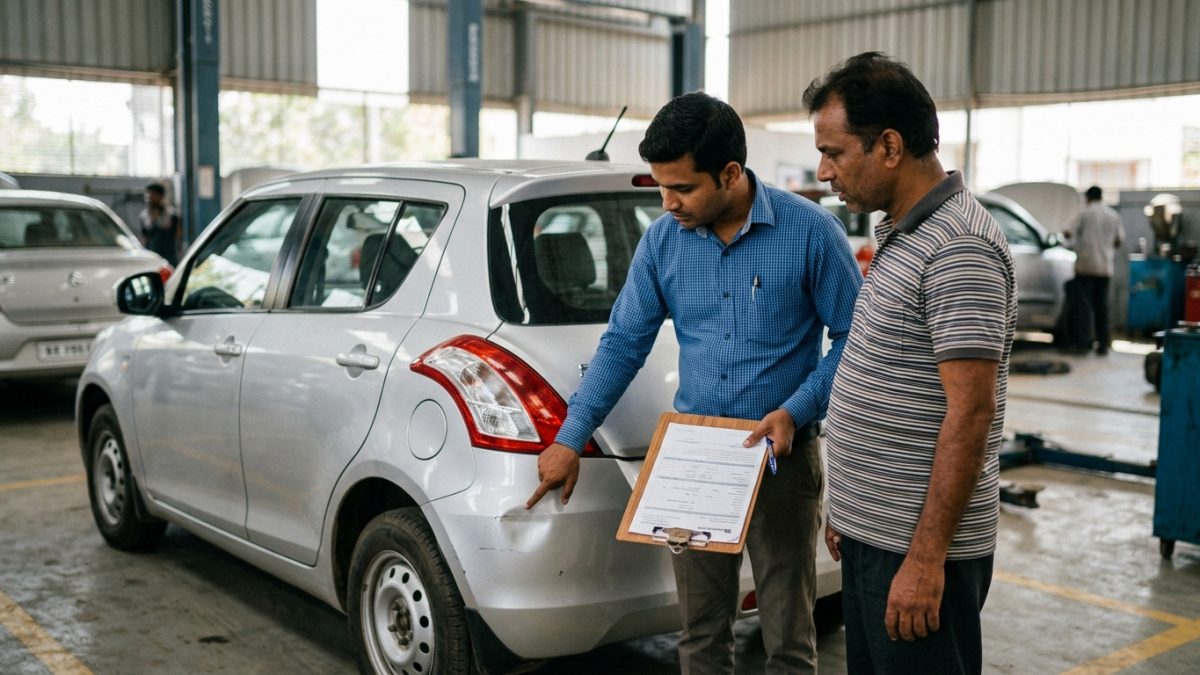
A major deciding factor for vehicle owners is the third party vs comprehensive car insurance premium difference. Third-party rates are fixed by the government, whereas comprehensive premiums fluctuate based on market factors, location, and the vehicle's depreciated valuation.
Statutory Third-Party Premium Rates
Statutory third-party liability rates are notified directly by the Ministry of Road Transport and Highways in consultation with the Insurance Regulatory and Development Authority of India. These rates are uniform across every general insurance company in India without any variation.
| Vehicle Category & Capacity | Annual Statutory Rate | 3-Year Mandatory Rate (New Cars) |
|---|
| Petrol/Diesel $\le$ 1,000 cc | ₹2,094 | ₹6,521 |
| Petrol/Diesel 1,001 cc to 1,500 cc | ₹3,416 | ₹10,640 |
| Petrol/Diesel > 1,500 cc | ₹7,897 | ₹24,596 |
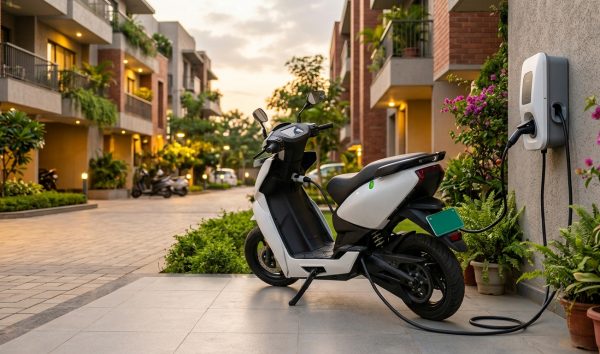
| Electric Car $\le$ 30 kW | ₹1,780 | Calculated by insurer |
| Electric Car 30 kW to 65 kW | ₹2,904 | Calculated by insurer |
| Electric Car > 65 kW | ₹6,712 | Calculated by insurer |
All displayed rates exclude mandatory goods and services tax (18% GST). Newly registered private cars must purchase a 3-year third-party policy upfront, as directed by statutory orders notified through the PIB MoRTH notifications.
How Comprehensive Premiums are Calculated
Comprehensive insurance pricing is determined by a specific calculation formula. The insurer combines the fixed third-party rate with the calculated Own Damage tariff, then adjusts for personal discounts and riders:
Total Premium = (Own Damage Rate × IDV) − No Claim Bonus (NCB) + Add-on Covers + Third-Party Premium + CPA Cover + 18% GST.
Because the Own Damage premium scales alongside the Insured Declared Value (IDV), luxury sedans or newly purchased SUVs pay significantly higher comprehensive rates than compact hatchbacks.
Understanding IDV, Depreciation, and NCB
Two essential factors govern comprehensive car insurance pricing: vehicle depreciation schedules and claim-free renewal discounts. Understanding both prevents policyholders from overpaying during renewals.
Insured Declared Value (IDV) Slabs
The Insured Declared Value represents the maximum sum payable by the insurer during a total constructive loss or theft. It is calculated by taking the manufacturer's listed selling price and applying standard depreciation according to IRDAI schedules:
- Up to 6 months: 5% depreciation
- 6 months to 1 year: 15% depreciation
- 1 year to 2 years: 20% depreciation
- 2 years to 3 years: 30% depreciation
- 3 years to 4 years: 40% depreciation
- 4 years to 5 years: 50% depreciation
- Above 5 years: Mutually agreed valuation based on physical condition and surveyor evaluation.
No Claim Bonus (NCB) Savings
When you avoid filing claims during a policy term, insurers reward you with a discount applied directly to the Own Damage premium. Learn more about discount slabs and retention in our detailed guide on NCB car insurance rules and slabs.
| Claim-Free Period | Own Damage Discount |
|---|
| 1 Claim-free year | 20% |
| 2 Consecutive claim-free years | 25% |
| 3 Consecutive claim-free years | 35% |
| 4 Consecutive claim-free years | 45% |
| 5 Consecutive claim-free years | 50% (Maximum statutory cap) |
Tip: The No Claim Bonus belongs to you as the vehicle owner, not the car itself. If you sell your car, you can transfer your 50% bonus to a newly purchased vehicle.
Essential Add-on Covers for Comprehensive Policies
Third-party policies do not allow riders, but comprehensive packages let car owners customize protections. Common add-on riders include:
- Zero Depreciation (Bumper-to-Bumper): Eliminates standard depreciation cuts on plastic and rubber parts (50%), fibreglass (30%), and glass (0%) during claim settlements.
- Engine and Gearbox Protection: Protects against hydrostatic lock caused by water intake during monsoons, as well as mechanical damage from lubricating oil leaks.
- Return to Invoice (RTI): Bridges the gap between the depreciated IDV and original on-road purchase price if your vehicle is stolen or declared a total loss.
- Consumables Cover: Reimburses the cost of one-time items used during repairs, such as coolants, engine lubricants, split pins, and nuts.
- Roadside Assistance (RSA): Provides flat-tyre repairs, emergency battery jump-starts, fuel delivery, and towing support on public highways.
Which Car Insurance is Best: Third Party or Comprehensive?
Choosing which car insurance is best third party or comprehensive depends primarily on your vehicle's current age, market valuation, and repair exposure. Comparing third party insurance vs full insurance car options requires balancing annual premiums against the actual costs of bodywork.
| Car Age | Recommended Policy | Suggested Add-on Covers | Decision Rationale |
|---|
| 0 to 3 Years | Comprehensive (Package) | Zero Dep, RTI, Engine Cover | High vehicle valuation makes independent repair bills uneconomical. |
| 3 to 5 Years | Comprehensive | Zero Dep, Engine Protect, RSA | Vehicle retains 50% to 70% value; non-depreciated parts remain costly. |
| 5 to 8 Years | Comprehensive (Standard) | Engine Protection, RSA | Insurers limit Zero Dep; standard OD still protects against theft and write-offs. |
| 8 to 10 Years | Basic Comprehensive | Roadside Assistance | Viable if driven frequently and market price exceeds ₹1.5 Lakh. |
| 10+ Years | Third-Party Only | None | Vehicle IDV drops below ₹1 Lakh; annual comprehensive premiums exceed risk value. |
For cars over a decade old with an IDV under ₹1 Lakh, an annual comprehensive premium costing ₹10,000 to ₹15,000 accounts for over 10% of the entire vehicle valuation. After deducting 50% standard depreciation on replacement parts during a claim, the payout often remains lower than the total premiums paid.
How to Check Vehicle Insurance Status Online

You can check the validity and details of your motor insurance policy through central government databases. Sourced from RTO networks and the Insurance Information Bureau of India, these records update nationwide.
- Open the official portal: Access the central transport portal at Parivahan Sewa using any desktop or smartphone web browser.
- Navigate to vehicle lookup: Select the Informational Services section from the top navigation bar and click on the Know Your Vehicle Details menu item.
- Authenticate your account: Log into the Parivahan portal using your registered mobile number, or set up a quick citizen profile if you are a first-time user.
- Enter vehicle credentials: Type your vehicle registration number in the search bar, complete the image captcha challenge, and click on Search Vehicle.
- Review policy validity: The portal will present your motor insurance policy number, issuing insurance firm, and policy expiration date.
You can also review our walkthrough on car insurance check online via Parivahan for smartphone app workflows using mParivahan.
Can I Switch from Third Party to Comprehensive Insurance?
If you currently hold a basic liability cover, you can switch from third party to comprehensive insurance during your annual policy renewal or as a mid-term policy upgrade. Upgrading requires a vehicle verification process to confirm there are no existing accidents or physical body damages.
- Select policy provider: Request a comprehensive quote from your current insurance provider or an alternative insurer before your existing policy reaches its renewal date.
- Submit registration documents: Provide your vehicle Registration Certificate (RC), existing third-party policy copy, and past claims paperwork if you are claiming an existing No Claim Bonus.
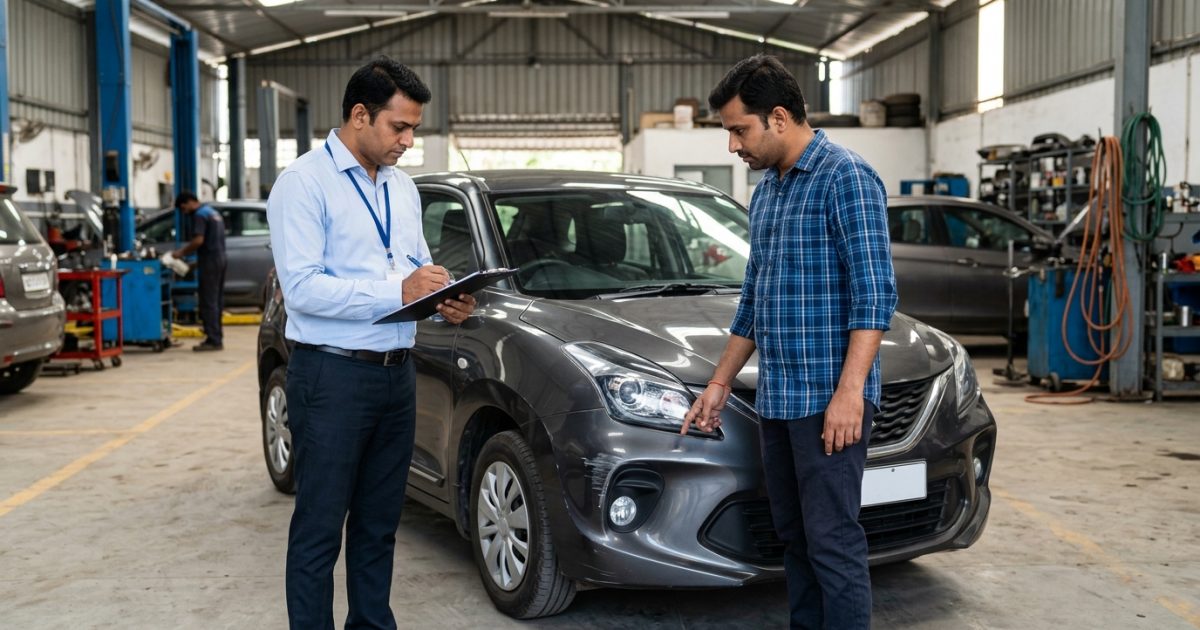
- Schedule vehicle inspection: The insurer will initiate a break-in vehicle inspection. This is performed either via an automated self-inspection link on a mobile browser or through an in-person visit by a surveyor.
- Complete physical recording: Record a 360-degree video along with high-definition photographs of all exterior panels, windshield, odometer, and chassis number stamping.
- Pay premium difference: Once the underwriting department approves the inspection footage, remit the Own Damage premium balance to receive your comprehensive policy document.
Note: Never drive your vehicle with an expired policy during the upgrade process. Uninsured road use carries penalties under Section 196 of the Motor Vehicles Act.
Conclusion
Weighing third party vs comprehensive car insurance comes down to your car's age, daily mileage, and out-of-pocket repair budget. While third-party coverage keeps you legally compliant under Section 146 of the Motor Vehicles Act at minimal cost, comprehensive policies safeguard your finances against theft, road collisions, and natural disasters.
Before you commit to a renewal plan, run a fast online vehicle RC search to verify your official insurance validity date, engine displacement, and registration status directly from the central database.