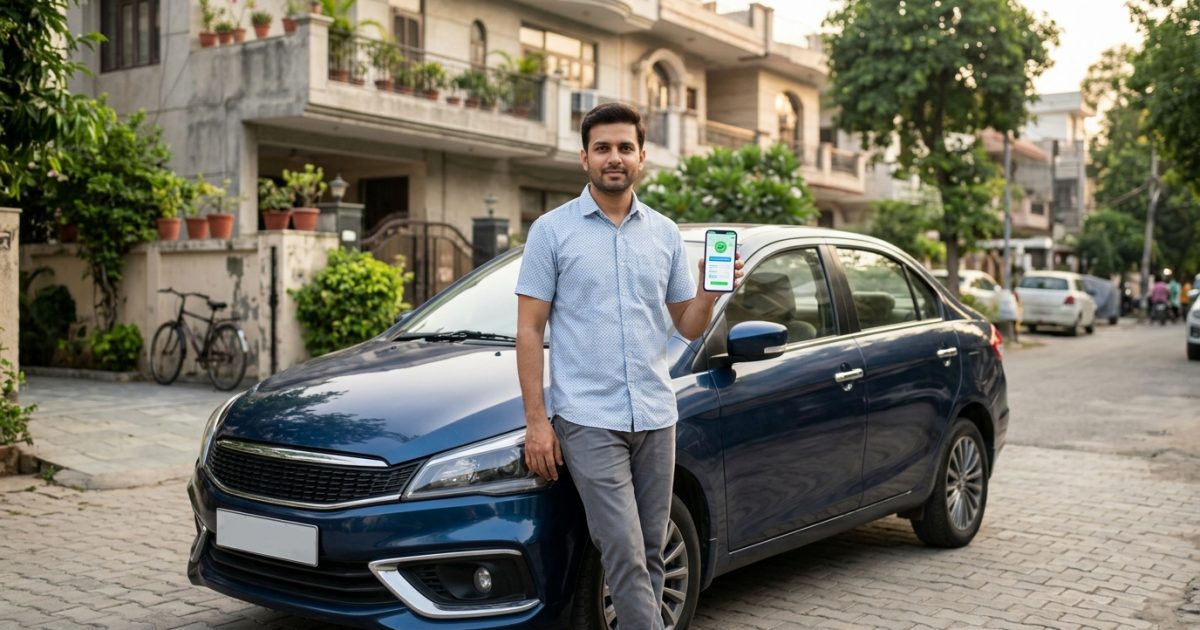
A timely car insurance renewal keeps your motor vehicle street-legal, protects you against devastating third-party liabilities, and preserves your accumulated No Claim Bonus (NCB). You can renew an active or lapsed policy online in minutes. If your policy has expired, modern insurers allow swift smartphone-based self-inspections to reinstate your comprehensive coverage without requiring a physical surveyor visit. Before initiating renewal, you can run a quick vehicle insurance expiry check on VahanX to verify your registered expiry date and current registration status.
Key Takeaways
- Renewing before expiry requires zero vehicle inspection and issues policy schedules instantly.
- The 90-day grace period under Indian Motor Tariff GR 27 protects your NCB discount, not road driving legality.
- Lapsed comprehensive policies use digital smartphone self-inspection approved within 1 to 4 hours.
- Driving without active insurance attracts a statutory fine of ₹2,000 under Section 196.
- Data sync between insurance databases and the VAHAN portal takes 24 to 72 hours.
| Renewal Category | Vehicle Inspection Needed? | NCB Retention Status | Policy Issuance Time |
|---|
| Active Policy (Before Expiry) | No inspection required | 100% protected (up to 50%) | Instant digital download |
| Lapsed (1 to 90 Days) | Smartphone self-inspection required | 100% protected under GR 27 | 1 to 4 hours post-approval |
| Lapsed (Beyond 90 Days) | Self or physical inspection required | Forfeited completely (0% NCB) | 4 to 24 hours |
| Third-Party Only Renewal | No inspection required ever | Not applicable to TP | Instant digital download |
Online Car Insurance Renewal Overview & Core Rules
Motor insurance is not merely an optional financial safety net in India; it is a strict statutory mandate. Under Section 146 of the Motor Vehicles Act 1988, every motor vehicle operating on Indian public roads must hold at least an active Third-Party (TP) insurance cover. Driving without insurance leaves the owner personally liable for 100% of compensation awarded by the Motor Accident Claims Tribunal (MACT) in accidents involving injury, death, or third-party property damage.
Policyholders can choose between standard Third-Party coverage and Comprehensive packages. A Comprehensive policy safeguards both your legal liabilities toward third parties and Own Damage (OD) losses caused by accidents, natural calamities, fire, or vehicle theft.
Mandatory Coverage Under Motor Vehicles Act
Third-party insurance coverage protects vehicle owners against legal liabilities resulting from death, bodily injury, or damage to third-party properties. The regulatory framework governed by the Insurance Regulatory and Development Authority of India (IRDAI) fixes statutory third-party premium rates across car engine displacement tiers.
While third-party cover handles legal claims, Own Damage insurance covers repair costs for your own vehicle. You can purchase OD as part of a package policy or as a standalone policy if your car already carries an active multi-year third-party policy.
Data Sync Delay: VAHAN & IIB Systems
When you complete a car insurance renewal online, your insurer transmits the newly generated policy schedule to the Insurance Information Bureau of India (IIB). The IIB subsequently feeds this policy validation data into the central MoRTH VAHAN database accessible via the Parivahan Sewa portal.
This inter-agency data transmission typically requires 24 to 72 hours (1 to 3 working days) to reflect across government enforcement apps. Automated ANPR cameras and traffic enforcement units access VAHAN directly during road checks.
Warning: Because VAHAN updates require 24 to 72 hours to reflect your new policy, always store a digital copy in your DigiLocker or save the insurer PDF on your smartphone to avoid erroneous e-challans during routine road inspections.
Step-by-Step Guide for Car Insurance Renewal Online
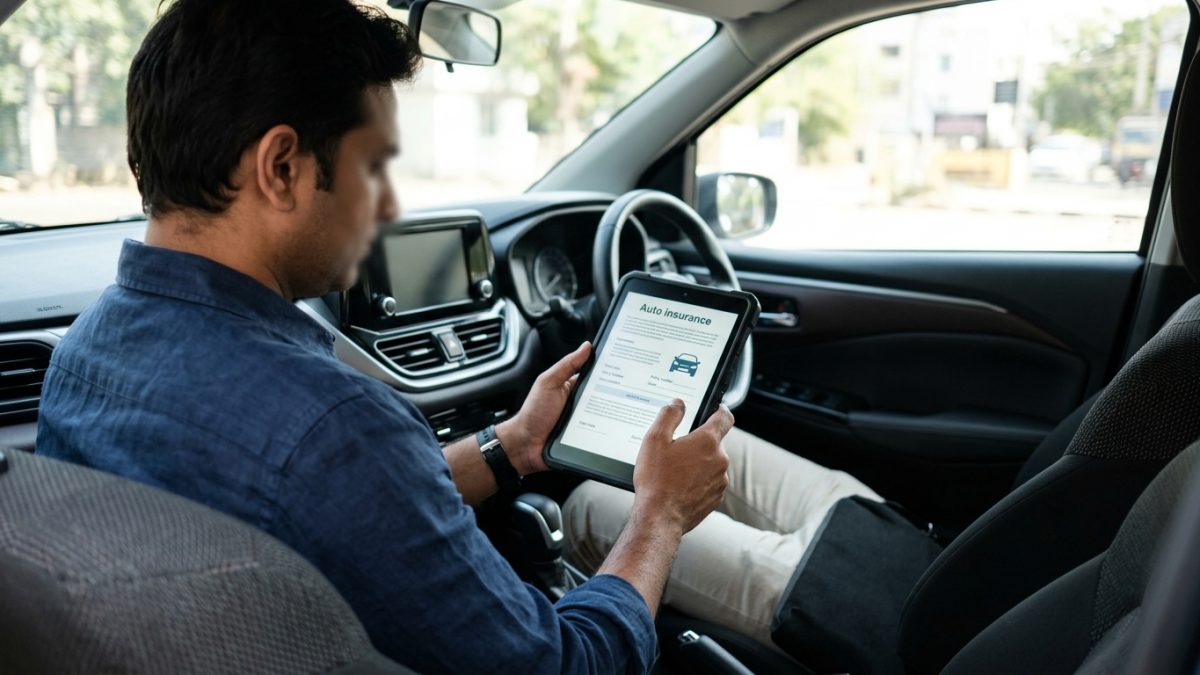
Executing an online renewal takes less than ten minutes if you have your core vehicle credentials at hand. You can complete the process directly on your preferred insurer portal or through licensed insurance web aggregators.
Detailed Renewal Steps
- Submit Vehicle Details: Enter your car registration number, make, model, variant, and initial registration year on the renewal portal.
- Configure Policy Cover: Select between a Comprehensive Package or Standalone Own Damage cover, then adjust your Insured Declared Value (IDV) within permissible depreciation limits.
- Select Add-on Covers: Add necessary protections such as Zero Depreciation, Engine Protection, Return to Invoice (RTI), or 24x7 Roadside Assistance to bolster your policy coverage.
- Declare Previous NCB: Enter your accumulated No Claim Bonus percentage accurately and declare whether you registered any claims during the expiring policy tenure.
- Complete Inspection (if lapsed): If your policy has already expired, open the automated link received via SMS or WhatsApp to complete your car self-inspection.
- Execute Digital Payment: Pay the premium balance through UPI, Net Banking, credit card, or debit card to receive your digitally signed policy document instantly via email.
Documents Required for Instant Issuance
- Vehicle Registration Certificate (RC): A clean copy verifying chassis number, engine number, and registered owner name.
- Previous Year Policy Schedule: The expiring document detailing policy number, previous insurer name, and valid NCB percentage.
- KYC Documents: Aadhaar card, PAN card, or driving licence as mandated under IRDAI digital KYC verification protocols.
- Inspection Media: Clear photos and live continuous video of the car if the renewal happens after the policy expiry date.
How to Renew Expired Car Insurance and Handle Break-in
Allowing your insurance coverage to expire exposes you to severe legal and operational liabilities. When a policy lapses without renewal prior to midnight of the expiry date, it is formally classified as a break-in policy by general insurance underwriters.
You can still easily renew expired car insurance without visiting an insurance branch. However, the renewal conditions diverge significantly depending on whether you are buying basic third-party protection or comprehensive coverage.
Rules for Car Insurance Renewal After Expiry Date
Initiating a car insurance renewal after expiry date requires heightened scrutiny on the vehicle's pre-existing structural condition. If you only purchase third-party liability coverage, insurers issue the policy schedule immediately without requesting any inspection, regardless of how long the cover has lapsed.
When renewing comprehensive or standalone OD policies, the insurer must document existing dents, scratches, and windshield cracks. Establishing pre-existing damage safeguards insurers against fraudulent claims where pre-accident damages are reported under newly issued policies. If you bought a pre-owned vehicle with a lapsed policy, verify the seller papers thoroughly against our used car documents checklist before completing the renewal.
Third-Party vs Comprehensive Lapsed Policies
Third-party cover carries uniform statutory pricing and entails zero damage liability for your own car, enabling immediate issuance post-lapse. In contrast, comprehensive policies involve financial risk on the vehicle body, compelling insurers to mandate inspection clearances before accepting premium payments.
Tip: If your car insurance has lapsed and you must drive urgently, renewing a standalone Third-Party policy online restores legal road compliance instantly without waiting for damage inspection clearances.
Digital Car Insurance Self Inspection Process Explained
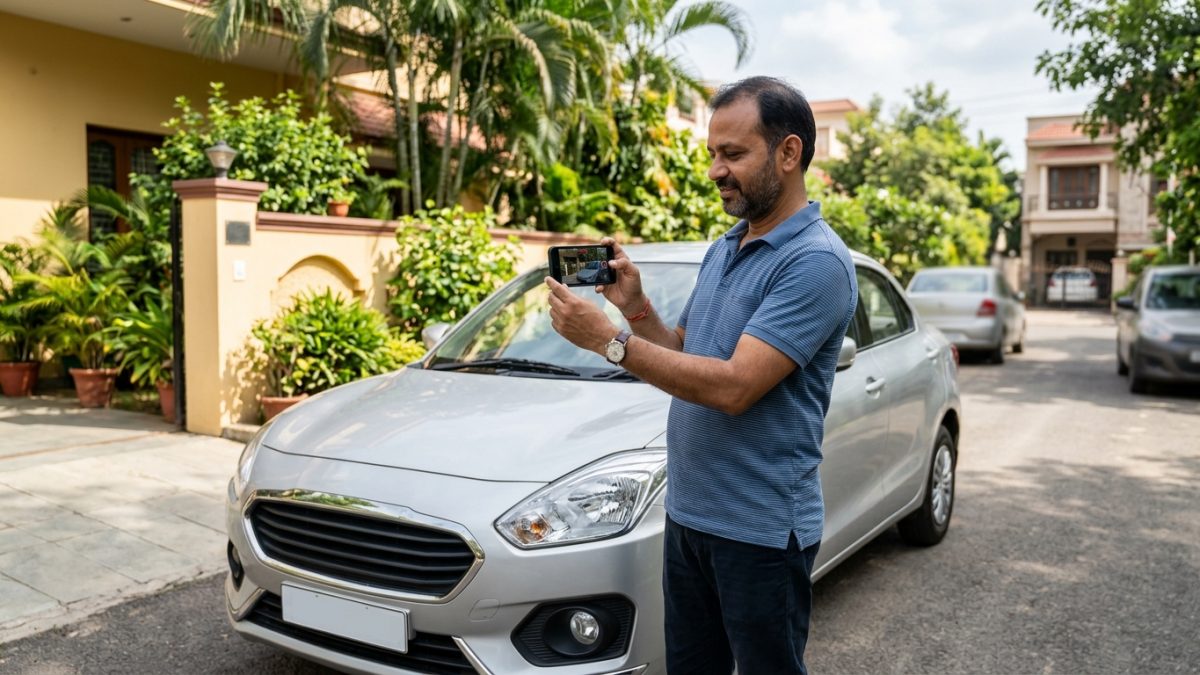
In past years, renewing lapsed motor insurance required scheduling an appointment with an authorized surveyor, taking up to 3 business days. Today, insurers employ a streamlined digital car insurance self inspection process powered by smartphone cameras and automated underwriting tools.
Once you submit your expired policy renewal form online, the insurer delivers an automated SMS or WhatsApp web link to your smartphone. The digital upload process takes roughly ten minutes to execute in daylight.
Smartphone Inspection Workflow
- Park in Open Daylight: Position your vehicle in an open, well-illuminated outdoor area; avoid dark basement parking spots or heavy tree shadows.
- Enable Device Permissions: Tap the secure web link sent by the insurer and grant browser permissions for camera access and GPS location tagging.
- Capture 360-Degree Video: Record a slow, unbroken walk-around video capturing all four corners, the windshield, panoramic roof, rear glass, and tires.
- Photograph Core Identifiers: Take sharp, glare-free close-up photos of the car odometer reading, dashboard instrument cluster, chassis VIN stamping plate, and original RC.
- Submit for Approval: Upload the recorded assets through the web portal; automated algorithms and internal underwriters evaluate your submission within 1 to 4 hours.
When Physical Inspection by Surveyor is Mandatory
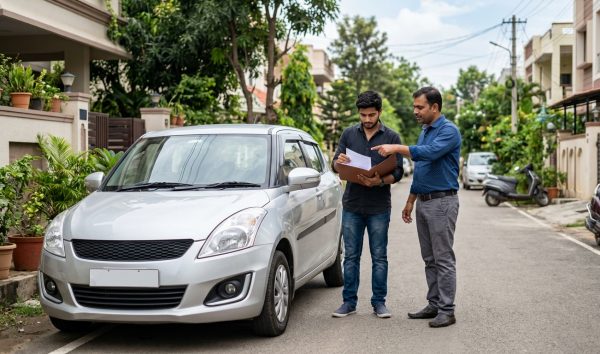
While smartphone verification handles most lapsed renewals, underwriters reserve the right to deploy a physical surveyor under specific circumstances. If your uploaded smartphone video suffers from poor lighting, motion blur, or obscured corners across repeated attempts, the digital submission will be declined.
A physical surveyor inspection is also compulsory if the car exhibits prominent structural damages, frame distortions, or deep body dents. In such scenarios, the surveyor drafts an endorsement listing excluded damage components before the policy is cleared. Underwriters also frequently require physical inspections if the break-in gap exceeds 90 days to 1 year.
Car Insurance Grace Period India and 90-Day NCB Retention Rules
The No Claim Bonus reward is an earned discount on the Own Damage premium component, granted to vehicle owners who complete coverage years without filing claims. Understanding the rules governing car insurance grace period india is vital to avoid losing accumulated discounts.
The NCB starts at 20% after the first claim-free year and scales progressively up to 50% after five uninterrupted claim-free years. This structure is governed by General Regulation 27 (GR 27) under the General Insurance Council Indian Motor Tariff rules.
| Claim-Free Experience | NCB Discount Slab | Applies To | 90-Day Grace Validity |
|---|
| 1 Claim-Free Year | 20% discount | Own Damage (OD) Premium Only | Protected up to Day 90 |
| 2 Consecutive Years | 25% discount | Own Damage (OD) Premium Only | Protected up to Day 90 |
| 3 Consecutive Years | 35% discount | Own Damage (OD) Premium Only | Protected up to Day 90 |
| 4 Consecutive Years | 45% discount | Own Damage (OD) Premium Only | Protected up to Day 90 |
| 5 Consecutive Years | 50% discount (Max) | Own Damage (OD) Premium Only | Protected up to Day 90 |
The 90-Day NCB Grace Window Under GR 27
Under GR 27, insurers provide a 90-day grace period from your exact policy expiry date to complete your renewal and preserve your accumulated discount. If you complete your renewal on or before the 90th calendar day post-expiry, your accumulated NCB carries forward seamlessly.
If you fail to renew within this 90-day window, your entire NCB benefit resets to 0% on the 91st day. As a lone regulatory exception under GR 27, military and paramilitary personnel deployed in operational forward areas can receive an extended window of up to 365 days by submitting a formal non-use declaration.
Common Mistake: The 90-day grace period protects only your accumulated NCB discount. It does not provide insurance cover. Driving your car on day 10 after policy expiry is completely illegal under Section 196.
How to Transfer NCB During Car Insurance Renewal
A crucial rule under Indian insurance regulations is that the No Claim Bonus belongs to the registered vehicle owner, not the vehicle itself. Knowing how to transfer ncb during car insurance renewal empowers you to switch insurers or roll over discounts to a newly purchased vehicle seamlessly.
- Switching Insurers at Renewal: Choose your new insurer on their digital portal, enter your expiring policy number, and select your applicable NCB slab. The new insurer confirms this declaration with your previous insurer within a 21-day verification window.
- Transferring NCB to a Replacement Car: If you sell your existing vehicle, submit a formal transfer application alongside Form 29 and Form 30 to your insurer to obtain an official NCB Retention Certificate.
- Applying the Retention Certificate: The NCB Retention Certificate remains valid for 3 years from its issuance date. Present this certificate to your new car insurer to deduct up to 50% from your new Own Damage premium.
Penalty for Expired Car Insurance in India
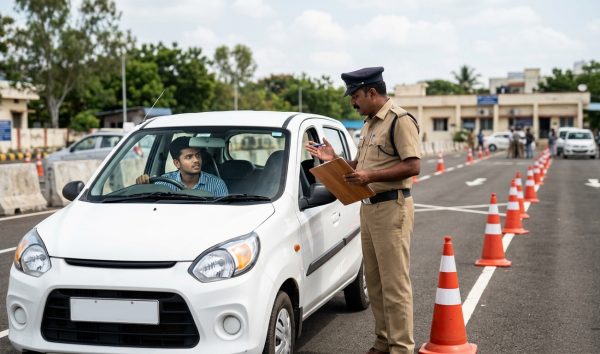
Operating an uninsured motor vehicle exposes motorists to strict roadside and electronic law enforcement. Driving without active motor insurance is prosecuted under Section 196 of the Motor Vehicles Act 1988, which underwent major revisions through the Motor Vehicles Amendment Act.
Traffic enforcement units across India utilize automated automated number plate recognition (ANPR) systems directly connected to the central Parivahan and e-challan portal. Vehicles passing speed gates or signal intersections without verified insurance entries in VAHAN are flagged for non-compoundable electronic fines.
| Offence Category | Statutory Fine Amount | Imprisonment Liability | Court Challan Risk |
|---|
| First Offence | ₹2,000 | Up to 3 months | Applicable if contested |
| Subsequent Offence | ₹4,000 | Up to 3 months | Mandatory court summons |
Section 196 Fines and E-Challan Detection
The standard penalty for expired car insurance in india is ₹2,000 for the initial violation, accompanied by potential imprisonment of up to 3 months. For any subsequent violation, the financial penalty escalates to ₹4,000, along with a potential 3-month prison term.
Motorists can check active camera summonses via the VahanX challan search utility. For a thorough walkthrough on clearing camera-issued notices, read our detailed guide on challan check by vehicle number.
MACT Liability Risks for Uninsured Vehicles
While traffic fines under Section 196 are costly, the financial risk under Motor Accident Claims Tribunal (MACT) cases is exponentially higher. In an accident causing grievous bodily harm or fatality to pedestrians or third-party occupants, the absence of active insurance leaves you personally responsible for legal compensations that routinely total tens of lakhs of rupees.
Without an active policy in place, insurance companies bear zero indemnity burden, exposing personal assets and property to judicial attachment. If you ever need to file an insurance claim following an accident, familiarize yourself with our comprehensive breakdown of the car insurance claim process to ensure smooth processing.
Important: When upgrading your vehicle or purchasing a pre-owned car, always run an online check to verify that all records, RC endorsements, and insurance particulars match government databases accurately.
Completing your regular motor policy renewal online takes only moments, whether done before or after expiry. Verify your vehicle status on the VahanX RC details search portal today to track your policy renewal timeline, secure your accumulated NCB savings, and drive with complete peace of mind.
Conclusion
Timely car insurance renewal protects you from steep e-challans under Section 196, safeguards you against crushing third-party legal liabilities, and keeps your hard-earned No Claim Bonus intact. Whether your policy is currently active or recently lapsed, using modern digital renewal portals and smartphone self-inspections ensures instant policy issuance without branch visits.
Check your vehicle insurance validity date today using VahanX to secure your coverage, claim your maximum 50% NCB discount, and stay completely compliant on Indian roads.