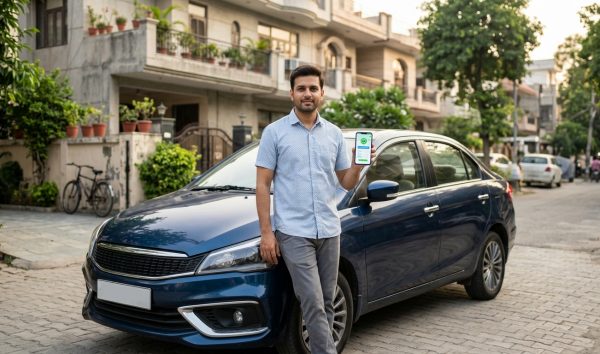
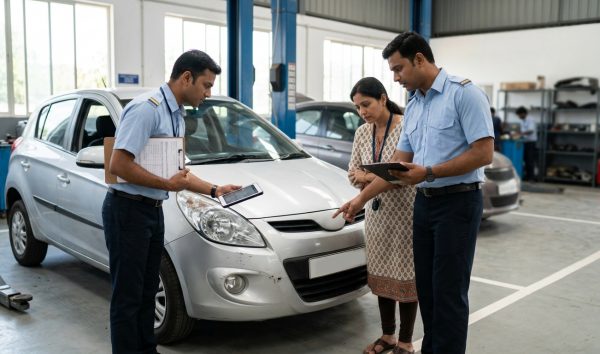
A bike insurance renewal online requires entering your vehicle registration number on an IRDAI-approved insurer portal, selecting coverage, declaring your No Claim Bonus (NCB), and completing digital payment. If your policy has lapsed, you can instantly renew third-party cover without inspection or complete a quick smartphone self-inspection for comprehensive plans.
Before you begin the renewal process, perform a quick two wheeler insurance check on VahanX to verify your policy expiry date, registration status, and existing coverage records. Keeping your two-wheeler insured is both a statutory requirement and essential financial protection against road mishaps.
Key Takeaways
- Renewing third-party bike insurance online never requires physical or digital vehicle inspection.
- A 90-day grace period applies exclusively to save your accumulated No Claim Bonus (NCB).
- Zero accidental coverage exists during any policy lapse or break-in duration.
- Riding with an expired policy attracts a ₹2,000 fine under Section 196.
- Digital self-inspection enables comprehensive policy revival within 1 to 4 hours.
The table below provides a quick reference summary of the critical parameters governing two-wheeler policy renewals in India as of September 2026.
| Feature | Third-Party Policy | Comprehensive Policy | Governing Authority |
|---|
| Inspection Requirement | No inspection needed | Self-inspection if lapsed | IRDAI Guidelines |
| NCB Retention Window | Not applicable | Up to 90 days from expiry | General Insurance Council |
| Issuance Timeline | Instant (2 to 5 minutes) | 1 to 4 hours if inspected | Licensed Insurers |
| VAHAN Portal Sync | 24 to 48 hours | 24 to 48 hours | MoRTH / Parivahan |
Motor Vehicles Act Mandates and Expired Policy Penalties
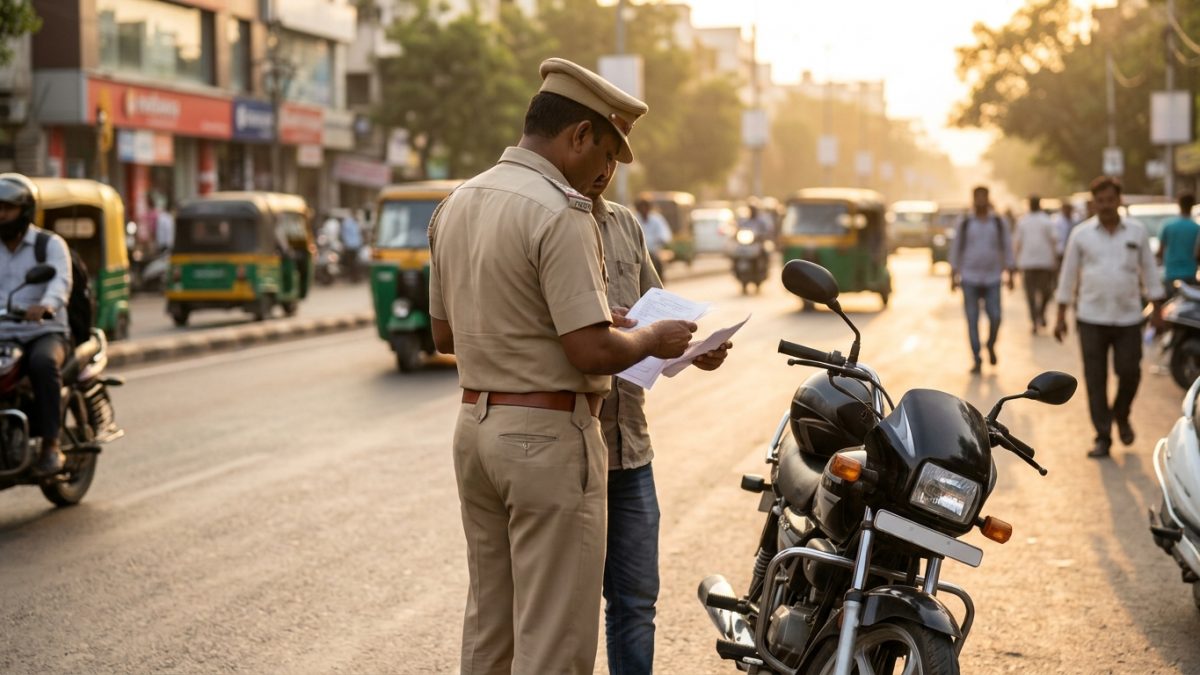
Riding a motorcycle or scooter without a valid insurance policy is a severe legal violation across India. The central transport laws establish strict compliance mandates that every vehicle owner must follow.
Section 146 and Compulsory Coverage
Under Section 146 of the Motor Vehicles Act, 1988, no individual is permitted to operate a motor vehicle in a public space without a valid third-party liability insurance policy. This minimum cover ensures financial compensation for external victims in the event of bodily injury, death, or third-party property damage caused by the vehicle.
While comprehensive insurance is optional, holding at least active third-party coverage is mandatory for all private two-wheelers. The Insurance Regulatory and Development Authority of India (IRDAI) regulates these baseline policies to protect road users nationwide.
Traffic Fines and Legal Liabilities under Section 196
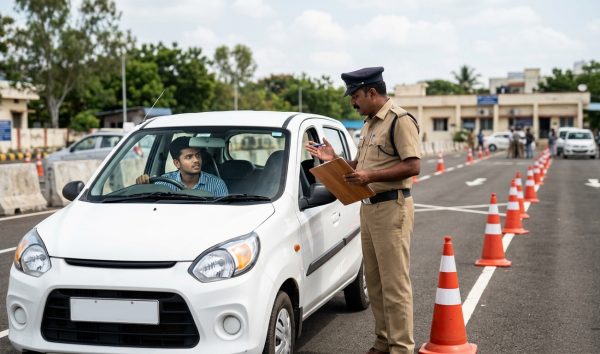
Operating a two-wheeler with an expired insurance policy invites harsh statutory penalties enforced by state traffic departments and automated enforcement cameras. The Motor Vehicles Amendment Act significantly increased these fines to deter uninsured driving.
Under Section 196 of the Act, an uninsured rider faces steep financial compounding fees along with potential imprisonment. Enforcement authorities can also impound the motorcycle under Section 207 until valid documentation is presented.
| Offence Level | Statutory Fine | Imprisonment Term | Enforcement Action |
|---|
| First Offence | ₹2,000 | Up to 3 months | Challan issuance / Vehicle seizure |
| Subsequent Offence | ₹4,000 | Up to 3 months | Court referral / Vehicle impoundment |
| Accident Liability | Unlimited recovery | Judicial trial | Attachment of personal assets via MACT |
Warning: If an uninsured motorcycle causes an accident, the Motor Accident Claims Tribunal (MACT) will recover the entire compensation amount directly from the owner’s personal assets and savings.
You can verify if your vehicle has any pending traffic violations by checking your status on the official National e-Challan Portal or using an online e-challan status search.
Bike Insurance Renewal Grace Period and NCB Rules
Understanding the difference between coverage validity and the regulatory grace period prevents unexpected financial loss during an insurance lapse. Many policyholders carry mistaken assumptions about how the grace window works.
Zero Coverage During Break-In Period
A two-wheeler insurance policy expires precisely at 23:59:59 hrs on the expiration date printed on the schedule. Starting from midnight, the vehicle enters what insurers call a break-in period.
There is strictly zero insurance coverage during this period. Any accidental damage, rider injury, or third-party liability occurring during the lapse cannot be claimed under any circumstances, even if you renew the policy the very next morning.
The 90-Day NCB Protection Window
The term bike insurance renewal grace period refers solely to the preservation of your accumulated No Claim Bonus. General insurance regulations provide policyholders with a 90-day window from the date of policy expiry to protect their NCB discount.
If you renew your policy within these 90 calendar days, your accumulated discount on the Own Damage (OD) premium component remains intact. This discount starts at 20% after one claim-free year and can climb up to a maximum of 50% after five consecutive claim-free years.
Tip: Even if you switch insurance providers, your accrued NCB remains your personal property and can be transferred seamlessly to the new insurer within the 90-day window.
What Happens After 90 Days of Expiry
If your policy remains unrenewed for more than 90 consecutive days, the accumulated No Claim Bonus is permanently forfeited. It resets to 0%, resulting in a substantial increase in your renewal premium.
Furthermore, insurers classify the vehicle as an extended break-in case. Underwriting rules become more stringent, and the insurer will mandate a comprehensive inspection before issuing any Own Damage coverage.
Vehicle Inspection Rules: Physical vs Digital Self-Inspection
Vehicle inspection rules depend on the policy type you select and the duration of the policy lapse. Modern digital tools have transformed how insurers inspect two-wheelers across India.
Third Party Bike Insurance Renewal Without Inspection
If you only need liability coverage, you can complete a third party bike insurance renewal online without any vehicle inspection. This rule applies regardless of whether your previous policy expired yesterday or five years ago.
Because third-party policies cover damages caused to other people and their property rather than your own bike, insurers face no risk of pre-existing vehicle damage. Issuance is instantaneous upon payment.
Comprehensive Renewal and Digital Self-Inspection
For comprehensive policies that cover accidental damage, theft, and fire, renewing an active policy before expiry requires zero inspection. However, once the policy lapses, an inspection becomes compulsory to establish the bike's physical baseline condition.
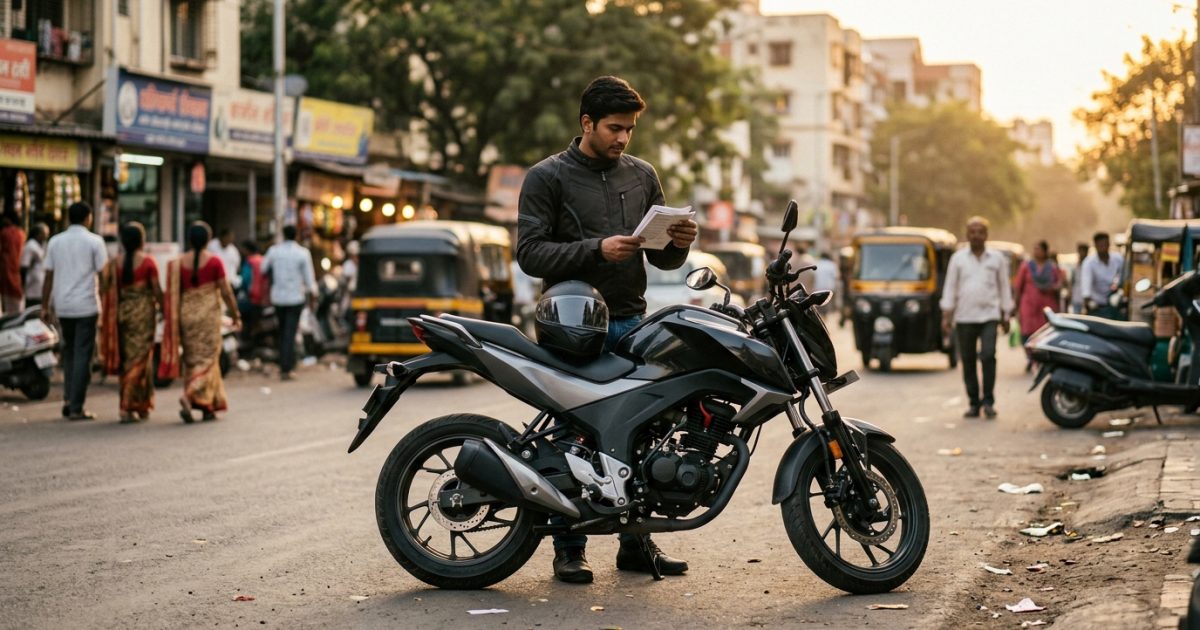
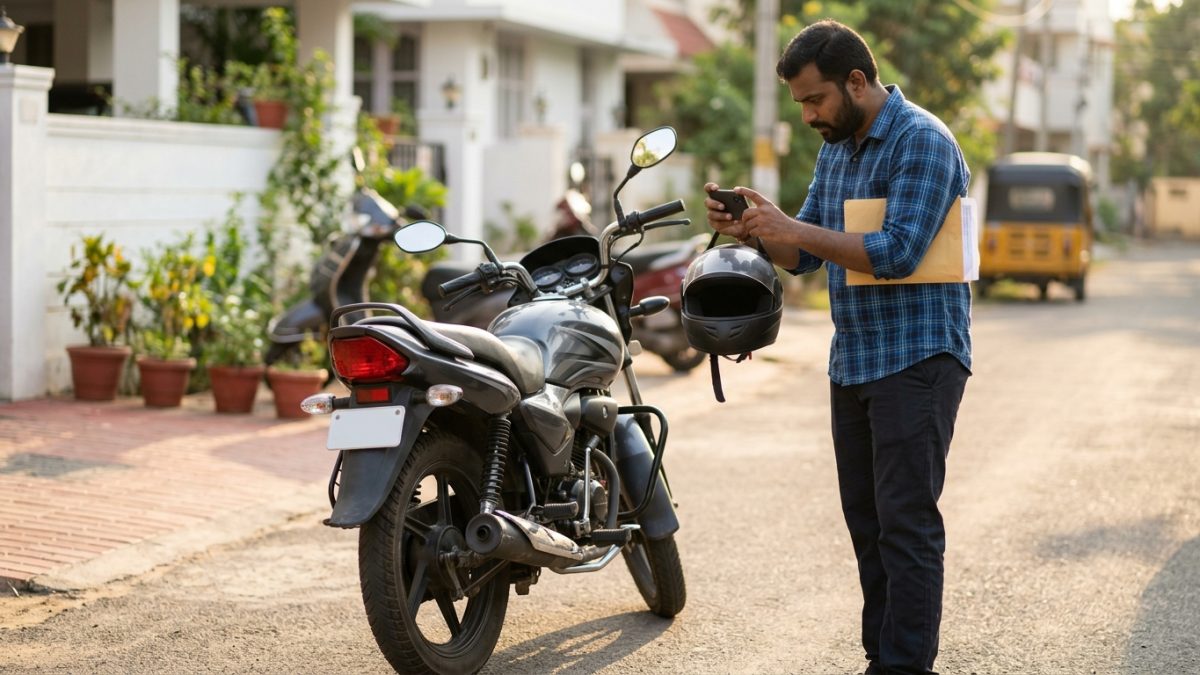
Physical inspections by third-party surveyors have now been replaced by smartphone-based digital self-inspection. The insurer sends a secure web link via SMS or messaging apps, guiding you to capture real-time media of your vehicle.
- Daylight Setup: Park your motorcycle in an open, well-lit outdoor area away from dark shadows.
- Frame and Registration Stamping: Record clear photographs of the vehicle registration plate and the chassis number stamped on the steering neck or frame.
- 360-Degree Recording: Capture photos or a continuous video walking around the vehicle, covering the front mudguard, fuel tank, engine casing, exhaust, and tail section.
- Odometer Verification: Take a sharp close-up photo of the instrument cluster showing the current odometer reading.
- AI Evaluation: Automated computer-vision systems evaluate pre-existing dents or scratches and approve your proposal within 1 to 4 hours.
| Lapse Duration | Third-Party Cover | Comprehensive Cover | Inspection Mode |
|---|
| Active (Pre-Expiry) | No inspection | No inspection | Instant renewal |
| 1 to 90 Days Lapsed | No inspection | Mandatory inspection | Smartphone digital self-inspection |
| Over 90 Days Lapsed | No inspection | Mandatory inspection | Self-inspection or physical surveyor visit |
Online renewals require minimal paperwork because data is retrieved directly from central databases. However, having the necessary vehicle details on hand ensures a smooth transaction.
- Vehicle Registration Certificate (RC): Registration number, engine number, and the last five digits of the chassis number.
- Previous Policy Schedule: Previous policy number, issuing insurance company name, and declared NCB percentage.
- Pollution Under Control Certificate (PUCC): Valid PUC details as mandated by the Supreme Court order for policy issuance and claim processing.
- KYC Documents: Permanent Account Number (PAN), Aadhaar number, or Central KYC (C-KYC) identifier as mandated under IRDAI KYC norms.
Important: Under IRDAI regulations, every non-life insurance purchase requires real-time C-KYC verification before the policy document can be generated.
Step-by-Step Process to Renew Bike Insurance Online
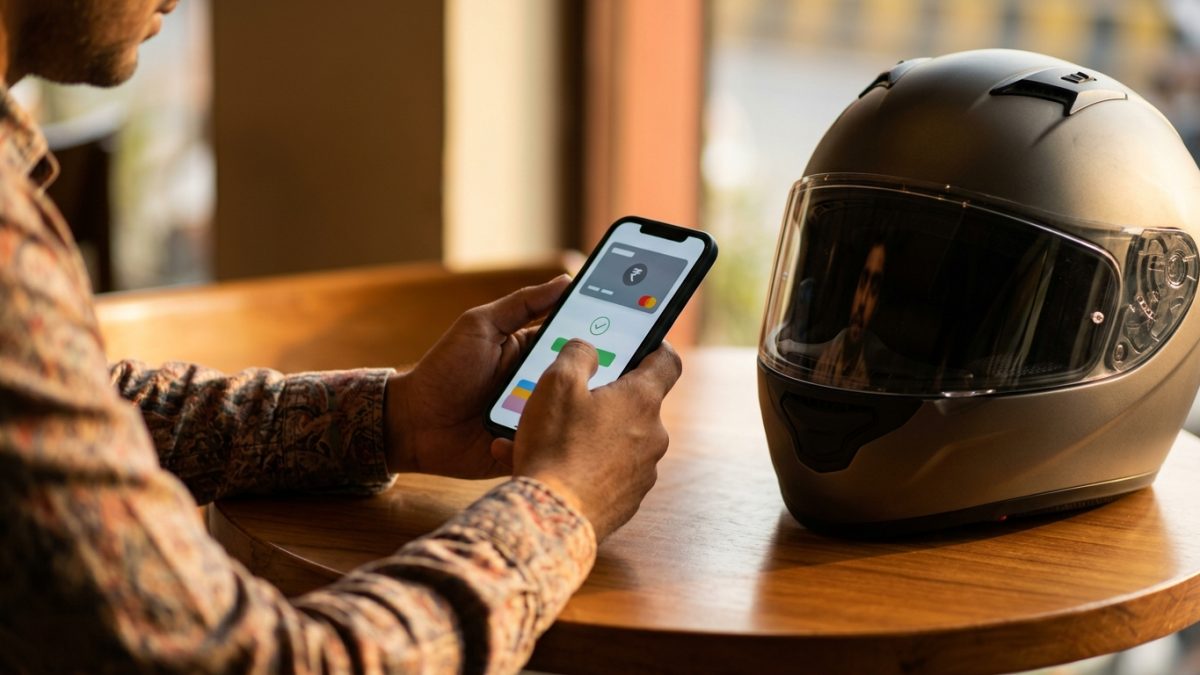
Follow this structured process to renew bike insurance online through an authorized insurance provider portal or licensed web aggregator as of September 2026.
- Enter Vehicle Registration Details: Visit the chosen insurer's official website and enter your two-wheeler registration number (for example, DL 01 AB 1234).
- Verify Vehicle Information: Check the make, model, variant, manufacturing year, and registration date automatically pulled from the national database.
- Select Coverage Type: Choose between a standalone Third-Party Liability cover or a Comprehensive Package policy based on the age of your vehicle.
- Set Insured Declared Value (IDV): For comprehensive plans, adjust the IDV within the recommended slider range to reflect the current market valuation of the motorcycle.
- Pick Relevant Add-On Covers: Select optional add-on covers such as Zero Depreciation, Roadside Assistance, Engine Protector, or Consumables Cover if your bike is under seven years old.
- Declare Accurate NCB: Indicate whether any insurance claim was filed during the previous policy tenure and select your applicable NCB discount slab.
- Complete Self-Inspection: If renewing an expired bike insurance renewal policy, open the verification link sent to your mobile phone and submit the required inspection photos.
- Perform KYC Authentication: Enter your PAN or Aadhaar number to validate your identity via the real-time C-KYC integration gateway.
- Pay the Premium: Execute the digital payment using UPI, net banking, or debit/credit cards through the secure payment portal.
- Download Policy Document: Save the newly issued insurance policy schedule immediately as a PDF document for digital storage.
How to Check Two Wheeler Insurance Status Online
If you are uncertain about your policy expiry date, several central digital portals allow you to conduct a quick two wheeler insurance check using only your registration number.
Checking Validity on Parivahan Sewa
The Ministry of Road Transport and Highways (MoRTH) manages the national registry through Parivahan Sewa. You can check your insurance validity by accessing the portal's informational services tab.
Select the vehicle details query option, input your complete registration mark, and solve the security captcha. The platform displays your vehicle master record, highlighting the specific date listed under the Insurance Upto column.
Verifying Policy Details on IIB Portal
The Insurance Information Bureau of India (IIB) acts as a data repository for the insurance industry. Through its V-Seva service, vehicle owners can review historical policy records.
After submitting your vehicle registration number, the portal displays the policy number, insurer name, and coverage tenure. Keep in mind that newly purchased policies take roughly two business days to reflect across these central databases.
Common Pitfalls During Expired Bike Insurance Renewal
Riders often encounter procedural hurdles during insurance renewal due to common administrative oversights. Avoiding these errors ensures your vehicle remains legally protected and claim-ready.
Assuming Grace Period Covers Accidents
The most common mistake is assuming that the 90-day grace period provides driving protection. As outlined under central motor vehicle rules, grace periods exist strictly to preserve your NCB; operating the bike during this window without active cover remains illegal.
Database Sync Delays Between Insurer and VAHAN
Once you complete an online payment, the insurance company typically requires 24 to 48 hours to transmit the policy details into the Parivahan VAHAN database. During this sync interval, roadside traffic cameras might still flag the motorcycle as uninsured.
Always carry the downloaded PDF policy on your smartphone or store it in your DigiLocker account immediately after renewal to produce valid proof during routine checks.
Misdeclaring Previous Claims for Higher NCB
Claiming an NCB discount on an expired policy when a claim was made during the prior year constitutes material misrepresentation. Insurers cross-reference historical data against the IIB registry, and any false declaration will lead to immediate claim rejection during an accident.
Before confirming your renewal details, double-check your bike's legal status with a quick RC and vehicle verification check to ensure seamless underwriting approval.
Conclusion
Completing your bike insurance renewal on time prevents costly traffic fines under Section 196 of the Motor Vehicles Act and preserves your valuable No Claim Bonus discount. Whether your policy is currently active or has been lapsed for several weeks, modern digital portals enable you to restore full coverage within minutes.
Take two minutes today to review your coverage status, complete your renewal before the 90-day deadline passes, and keep your digital policy schedule handy for stress-free riding on Indian roads.