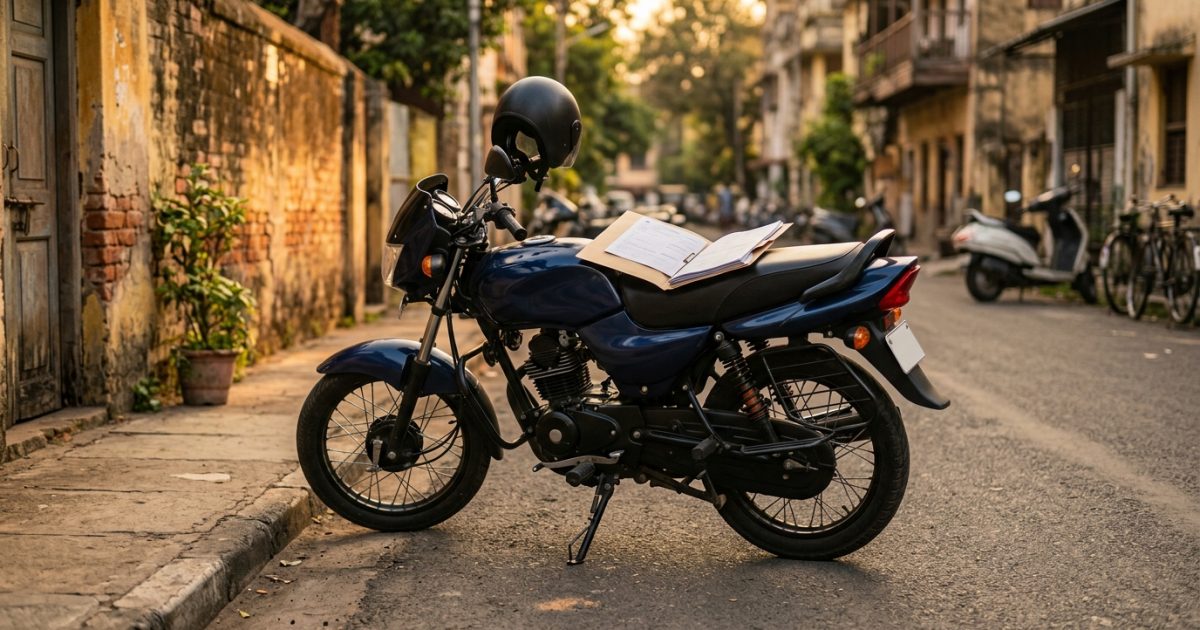
Standalone own damage bike insurance (SAOD) covers accidental damage, fire, natural calamities, and theft for your two-wheeler when you already possess an active long-term third-party liability policy. It allows you to renew your annual own-damage protection independently through any IRDAI-registered insurer without repurchasing mandatory third-party liability coverage.
Before renewing or purchasing your policy, make sure to check your bike insurance expiry date to confirm your underlying third-party coverage remains valid. The unbundled insurance structure gives two-wheeler owners complete flexibility to shop for better premiums, transfer accumulated No Claim Bonus discounts, and select customized add-on covers.
Key Takeaways
- SAOD covers accidental repairs, theft, and natural damage to your own two-wheeler.
- An active third-party liability policy is mandatory before buying or renewing an SAOD plan.
- You can purchase SAOD from any general insurer, regardless of who issued your third-party policy.
- Under Indian Motor Tariff GR 27, accumulated No Claim Bonus (NCB) is protected for 90 days post-expiry.
- Brand-new bikes receive bundled 5-year TP + 1-year OD, requiring annual standalone OD renewals thereafter.
| Feature | Policy Specification | Regulatory Provision | Applicability |
|---|
| Policy Duration | 1 Year (Renewed annually) | IRDAI Circular 2019 | All two-wheelers |
| Prerequisite | Active Third-Party Policy | IRDAI Regulations | Mandatory validation |
| Compulsory Deductible | ₹100 per claim | IMT GR 40 | Standard for all claims |
| NCB Grace Period | 90 Days from expiration | IMT GR 27 | Maintains discount tier |
| Inspection Requirement | Self-inspection on break-in | Insurer Guidelines | Lapsed renewals only |
What Is Standalone Own Damage Bike Insurance?
A standalone own damage bike insurance policy covers accidental loss, vehicular damage, theft, and disasters affecting your two-wheeler. Unlike a comprehensive package policy that bundles both liability and own damage into a single contract, an SAOD policy covers only your vehicle.
Historically, Indian vehicle owners were forced to buy bundled comprehensive policies from a single insurance provider. On 1 September 2018, following the Supreme Court ruling in WP No. 295/2012 (S. Rajaseekaran vs Union of India), the Insurance Regulatory and Development Authority of India (IRDAI) mandated a 5-year long-term third-party policy for all new two-wheelers.
To prevent multi-year lock-ins with single insurers, the IRDAI issued Circular IRDAI/NL/CIR/MOT/137/06/2019 on 21 June 2019, effective from 1 September 2019. This circular introduced standalone own damage cover, unbundling OD from long-term liability.
Furthermore, on 1 August 2020, the IRDAI withdrew mandatory multi-year OD covers due to actuarial pricing concerns. Consequently, brand-new two-wheelers are sold with a bundled cover of 5-year TP plus 1-year OD. From Year 2 onward, the vehicle owner maintains full protection by purchasing an annual saod policy for two wheeler.
Regulatory Note: Your standalone OD policy period can never exceed the expiration date of your underlying long-term third-party insurance schedule.
Legal Rules and Prerequisites for SAOD Cover
Before purchasing standalone cover, vehicle owners must understand the distinct statutory requirements governing Indian motor insurance. While own-damage cover protects your vehicle financially, liability protection represents your primary legal obligation.
Mandatory Third-Party Cover vs. Optional SAOD
Under Section 146 of the Motor Vehicles Act, 1988, maintaining valid third party bike insurance is strictly compulsory for every motor vehicle operating in public spaces. In contrast, standalone own damage bike insurance is completely optional under the law.
However, riding with third-party liability alone leaves you entirely unprotected against physical damage to your bike, fire losses, vandalism, or vehicle theft. For modern commuters, maintaining both layers of protection is essential for financial security.
Penalties for Driving Without Mandatory Insurance
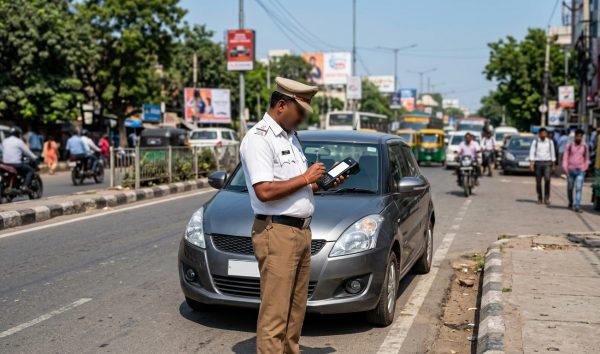
Traffic enforcement authorities use automated systems like the Integrated Traffic Management System (ITMS) to monitor compliance. Under Section 196 of the Motor Vehicles Act, operating a two-wheeler without active third-party coverage carries strict statutory penalties:
- First Offence: A fine of ₹2,000 and/or imprisonment for up to 3 months.
- Subsequent Offences: A fine of ₹4,000 and/or imprisonment for up to 3 months.
Vehicle owners can verify pending traffic violations by conducting a check challan status by vehicle number on automated enforcement portals.
Compulsory Deductible and Personal Accident Requirements
Under General Regulation 40 (GR 40) of the Indian Motor Tariff, a standard compulsory deductible of ₹100 applies to every two-wheeler own-damage claim. This small sum is deducted from the final claim settlement paid by the insurer.
Additionally, vehicle owners must hold a Compulsory Personal Accident (CPA) cover of ₹15 lakh. As of October 2026, this owner-driver cover is available as an independent annual policy for approximately ₹300 to ₹375 plus GST, covering the individual across all privately owned vehicles.
Documents Needed for SAOD Policy Renewal
Securing an SAOD policy online requires minimal paperwork because motor insurance portals pull primary vehicle details directly from government databases. Keep these documents ready before initiating your application:
- Vehicle Registration Certificate (RC): Showing the registration number, VIN or chassis number, engine number, and registration date.
- Active Third-Party Insurance Policy Schedule: The policy document confirming your active TP insurer name, TP policy number, and policy expiry date.
- Previous Year's OD Policy Copy: Your preceding comprehensive or SAOD schedule to verify claims history and validate your earned No Claim Bonus (NCB).
Inspection Warning: Ensure you renew before your existing OD cover expires. Allowing your policy to lapse into a break-in period requires a digital self-inspection before the insurer approves coverage.
Step-by-Step Guide: Buying or Renewing SAOD Online
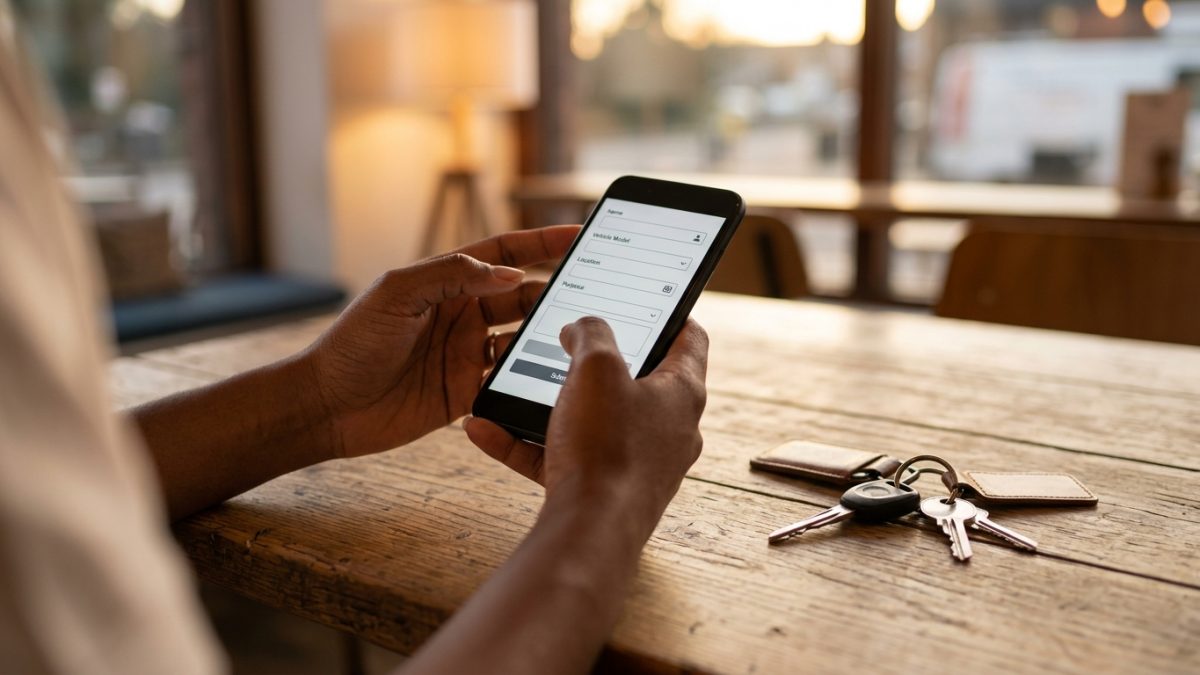
Securing bike insurance online without re-buying liability coverage is straightforward. Follow this step-by-step process to buy an independent OD policy from any insurer:
- Access the Insurance Portal: Open the official mobile app or website of any IRDAI-registered general insurance company or licensed insurance web aggregator.
- Select Standalone Own Damage: Choose "Two-Wheeler Insurance" and click the option labelled "Standalone Own Damage" or indicate that you already possess an active third-party cover.
- Enter Vehicle Registration Details: Input your bike registration number. Verify the auto-populated make, model, variant, engine capacity, and registration date.
- Submit Active Third-Party Details: Enter the name of your current third-party insurer, the active TP policy number, and the expiry date. The portal validates these details against the central database.
- Set Insured Declared Value (IDV): Review the auto-calculated IDV based on regulatory depreciation grids. Most digital platforms allow you to adjust the IDV within a permitted ±10% to 20% range.
- Declare Your No Claim Bonus: State whether you registered an own-damage claim in the preceding policy term. If zero claims were made, choose your earned discount tier ranging from 20% to 50%.
- Choose Optional Add-on Covers: Add useful covers to your base OD plan, such as Zero Depreciation (Bumper-to-Bumper), Consumables Cover, Engine and Gearbox Protection, or Roadside Assistance (RSA).
- Complete Break-in Inspection (If Lapsed): If your policy expired, use the insurer's mobile link to upload a 360-degree video and clear photographs of the two-wheeler for digital self-inspection.
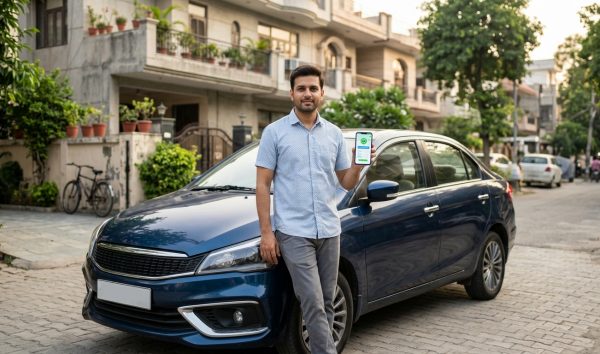
- Make Payment and Download Schedule: Complete your payment using UPI, debit card, or net banking. The insurer will immediately generate your digitally signed policy document via email and WhatsApp.
Own Damage Bike Insurance Price and IDV Depreciation Grid
Your own damage bike insurance price depends directly on your bike's Insured Declared Value (IDV), cubic capacity, geographic registration zone, and add-on selections. IDV represents the maximum sum insured payable in the event of total loss or theft.
The Tariff Advisory Committee and IRDAI outline an official depreciation grid based on the age of the two-wheeler to standardize IDV calculations across all insurers.
| Age of the Two-Wheeler | Statutory Depreciation Rate | Effective Insured Value Base |
|---|
| Up to 6 months | 5% | 95% of manufacturer invoice price |
| 6 months to 1 year | 15% | 85% of manufacturer invoice price |
| 1 year to 2 years | 20% | 80% of manufacturer invoice price |
| 2 years to 3 years | 30% | 70% of manufacturer invoice price |
| 3 years to 4 years | 40% | 60% of manufacturer invoice price |
| 4 years to 5 years | 50% | 50% of manufacturer invoice price |
| Above 5 years | Mutual Agreement | Based on physical condition and survey |
Geographical Rating Zones
Under Indian Motor Tariff guidelines, base OD premium rates vary based on geographical zones. Zone A covers high-density metropolitan zones (including Delhi, Mumbai, Kolkata, Chennai, Bengaluru, Hyderabad, Pune, and Ahmedabad), which carry slightly higher base tariff percentages due to dense traffic volumes. Zone B covers the rest of India with lower base tariff rates.
Cost-Saving Tip: Never artificially deflate your bike's IDV to reduce the premium. A lower IDV decreases your claim payout significantly in the event of major accidental damage or vehicle theft.
No Claim Bonus Rules and Transfer Under GR 27
The No Claim Bonus (NCB) is a cumulative reward given to vehicle owners for filing zero own-damage claims during a policy year. This discount applies exclusively to the own-damage portion of your motor insurance premium.
Under General Regulation 27 (GR 27) of the Indian Motor Tariff, NCB accumulates according to a fixed percentage scale:
| Claim-Free Policy Period | Earned NCB Discount | Impact on Own Damage Premium |
|---|
| 1 Claim-Free Year | 20% | 20% reduction on base OD cost |
| 2 Consecutive Claim-Free Years | 25% | 25% reduction on base OD cost |
| 3 Consecutive Claim-Free Years | 35% | 35% reduction on base OD cost |
| 4 Consecutive Claim-Free Years | 45% | 45% reduction on base OD cost |
| 5 Consecutive Claim-Free Years | 50% | Maximum statutory discount cap |
The 90-Day NCB Grace Period
If you fail to complete your own damage bike insurance renewal on time, you do not lose your accumulated discount instantly. IMT GR 27 grants a 90-day grace period from the exact date of policy expiration.
As long as you renew your SAOD policy within 90 days of expiration, your accumulated NCB percentage remains completely intact. However, if your renewal crosses the 90-day window, your accumulated NCB drops immediately to 0%, resulting in a significantly higher premium.
NCB Belongs to the Owner, Not the Two-Wheeler
A crucial principle of Indian motor insurance is that the No Claim Bonus belongs to the registered owner, not the machine. When selling your two-wheeler, you can retain your accumulated NCB by obtaining an NCB Retention Certificate from your insurer.
This certificate remains valid for up to 3 years and can be applied toward the SAOD premium of a newly purchased two-wheeler. Note that NCB cannot be transferred across vehicle classes; discounts earned on a bike cannot be applied to a car policy.
Common Pitfalls in Own Damage Bike Insurance Renewal
Managing split policies can lead to administrative errors if bike owners do not track expiration timelines carefully. Avoid these common mistakes during renewal:
1. Date Mismatch Confusion
Because new bikes come with a 5-year third-party policy and a 1-year own-damage policy, many owners mistakenly assume their bike is fully covered for five years. When an accident occurs during Year 2, they discover their own-damage protection has lapsed.
Make sure to keep track of your independent policy dates or review our detailed guide on bike insurance renewal steps to avoid driving unprotected.
2. Misdeclaring NCB During Insurer Switching
When switching to a new insurer online, entering an incorrect NCB tier or claiming an unearned discount after filing a claim triggers serious consequences. Under IMT regulations, misdeclaring NCB constitutes material misrepresentation, leading to immediate policy cancellation or claim repudiation.
3. Break-In Inspection Delays
Even a single day of coverage lapse moves your bike into break-in status. While most insurers offer instant policy generation before expiration, a lapsed policy requires photo or video uploads. Any pre-existing dent, scratch, or mechanical fault documented during inspection will be permanently excluded from future claims.
4. Add-On Eligibility Limits
Popular add-ons like Zero Depreciation (which waives standard rubber, plastic, and metal depreciation deductions during claims) are typically restricted to vehicles under 5 years of age. Check insurer-specific terms if your bike is approaching its fifth registration anniversary.
Keep your vehicle documentation organized and periodically verify your RC and policy details to ensure you never miss an annual own-damage renewal deadline.
Conclusion
Securing standalone own damage bike insurance is the most practical and budget-friendly way to protect your two-wheeler against accidents, theft, and natural hazards without paying for duplicate third-party liability coverage. By understanding IRDAI regulations, tracking your annual expiration dates, and safeguarding your accumulated No Claim Bonus, you can customize your vehicle protection with top-tier add-ons from any licensed general insurer.
Keep track of your mandatory third-party policy number, verify your vehicle registration details online, and renew your standalone OD cover before it lapses to avoid mandatory break-in surveys or the loss of your earned NCB discounts.