Under the latest new rto rules, vehicle owners face automated driving test exemptions via Accredited Driver Training Centres (ADTCs), steep age-tiered vehicle fitness renewal fees, and automated licence suspensions for repeat traffic violations. The Ministry of Road Transport and Highways (MoRTH) has upgraded these digital frameworks to ensure road safety. Before planning any transport documentation, vehicle owners should run a quick challan search to ensure no pending traffic penalties stall their applications.
Key Takeaways
- Graduates from certified ADTCs bypass physical RTO driving tests using digital Form 5B.
- Private driving schools cannot issue driving licences independently without RTO authority.
- Accumulating five unpaid e-challans in a single calendar year triggers licence suspension proceedings.
- Fitness renewal fees rise significantly for vehicles aged over 15 and 20 years.
- Underage driving invites a ₹25,000 fine and 1-year vehicle registration cancellation.
| Regulatory Area | Core Requirement | Key Metric / Penalty | Governing Portal |
|---|
| ADTC Driving Exemption | Submission of Form 5B | Exempts RTO track test | Sarathi Parivahan |
| Habitual Violators | 5 unpaid digital citations | Licence suspended (3-6 mos) | National e-Challan |
| 15+ Year Private RC | Renewal in 5-year blocks | ₹5,000 base fee for cars | Vahan Parivahan |
| Underage Driving | Section 199A MVA | ₹25,000 fine + 1-yr RC cancel | State Police / RTO |
Understanding New RTO Rules: Legal Timeline and Framework
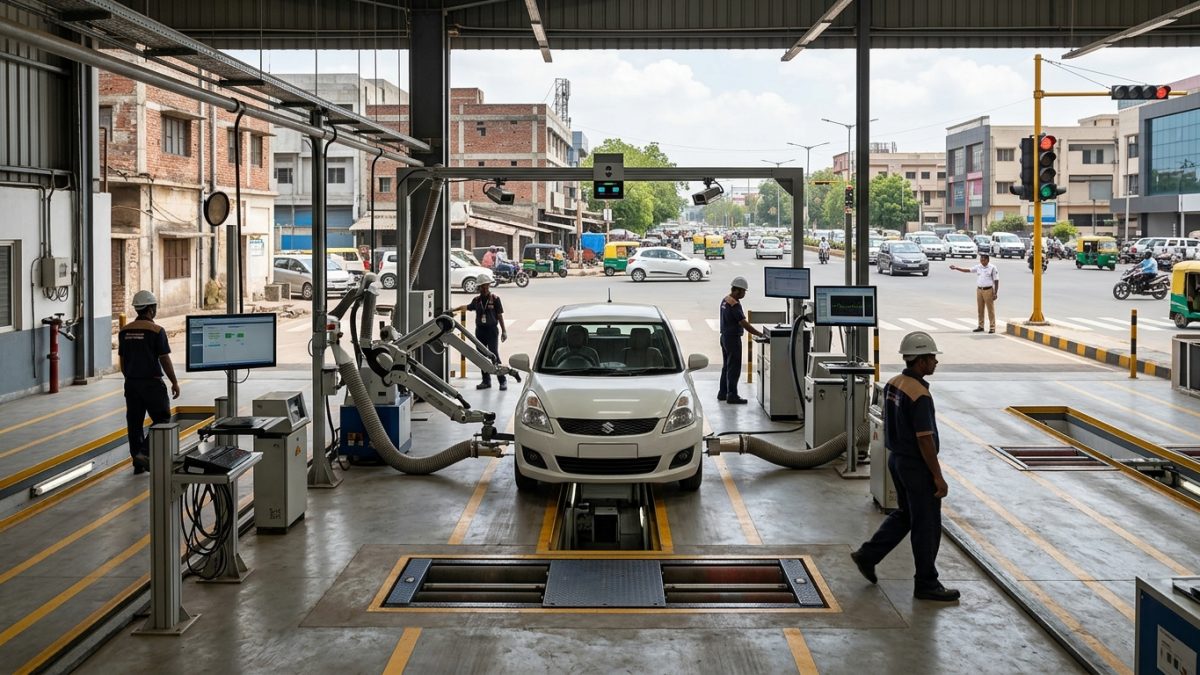
The regulatory updates reshaping vehicle ownership across India are anchored in key amendments to the Central Motor Vehicles Rules (CMVR), 1989. These updates aim to modernise vehicle testing and penalise repeat traffic offenders through automated databases.
As of October 2026, the digital backbone linking the Vahan and Sarathi portals enables real-time tracking across state borders. These changes reflect long-term policy implementations rather than sudden overnight adjustments.
Gazette Notifications and the ADTC Framework
MoRTH notified Rules 31B through 31J of the CMVR via Gazette notification G.S.R. 394(E) dated 07 June 2021, which took effect from 01 July 2021. This framework created Accredited Driver Training Centres (ADTC) to deliver standardised driver education.
Despite widespread online rumours claiming arbitrary private licence issuance, MoRTH issued a formal rebuttal clarifying that private driving schools cannot unilaterally issue driving licences. The statutory power remains strictly with regional transport authorities.
Supreme Court Directives on Vehicle Impoundment
Enforcement around pending traffic fines has tightened under directives stemming from the Supreme Court case S. Rajasekaran vs Union of India. The court directed transport departments to crack down on persistent traffic violators.
Under these directives, the Vahan portal automatically restricts essential administrative services, including RC renewals, hypothecation terminations, and No Objection Certificates (NOCs), if unresolved e-challans remain logged against a vehicle.
RTO Rules for Driving Licence: The ADTC Test Exemption
A primary highlight among the rto rules for driving licence is the physical test waiver under the proviso to Rule 15(2) of CMVR, 1989. Candidates completing certified training no longer need to queue at RTO test tracks.
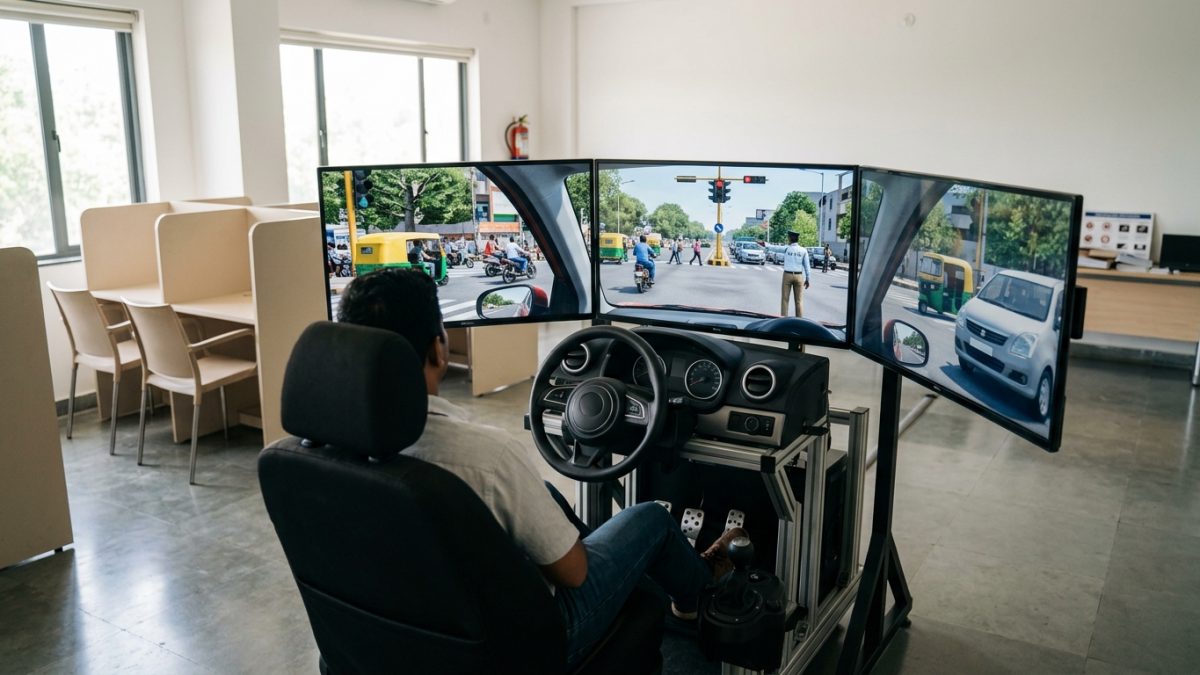
This exemption relies on high-tech training infrastructure rather than standard driving school lessons. Applicants must complete rigorous simulator and track hours before receiving official certification.
To qualify for the adtc driving licence test exemption, applicants must attend an accredited centre equipped with dedicated tracks, biometrics, and driving simulators. The curriculum demands rigorous, log-verified training hours.
- Light Motor Vehicles (LMV / Cars): 29 hours total over 4 weeks, comprising 8 hours of theory and 21 hours of practical driving (including night driving, rain or fog simulations, and fuel-efficient techniques).
- Medium and Heavy Motor Vehicles (HMV): 38 hours total over 6 weeks, structured into 8 hours of theory and 30 to 31 hours of hands-on driving on specialised tracks.
Standard driving schools cannot exempt you from an RTO driving test. Only accredited facilities meeting Rule 31E CMVR standards can upload Form 5B to Sarathi.
Many motorists confuse basic commercial driving school certificates with accredited centre clearances. The difference determines whether you must appear for a physical driving test before a Motor Vehicle Inspector (MVI).
| Feature | Standard Form 5 | Accredited Form 5B |
|---|
| Governing CMVR Rule | Rule 24 | Rule 31E |
| Facility Mandates | Standard commercial school | Simulators, biometric logs, dedicated tracks |
| RTO Track Driving Test | Mandatory at RTO track | Fully exempted |
| Issuance Authority | Registered local driving school | MoRTH-accredited ADTC |
Step-by-Step: Applying for DL Under New Driving Licence Rules in India
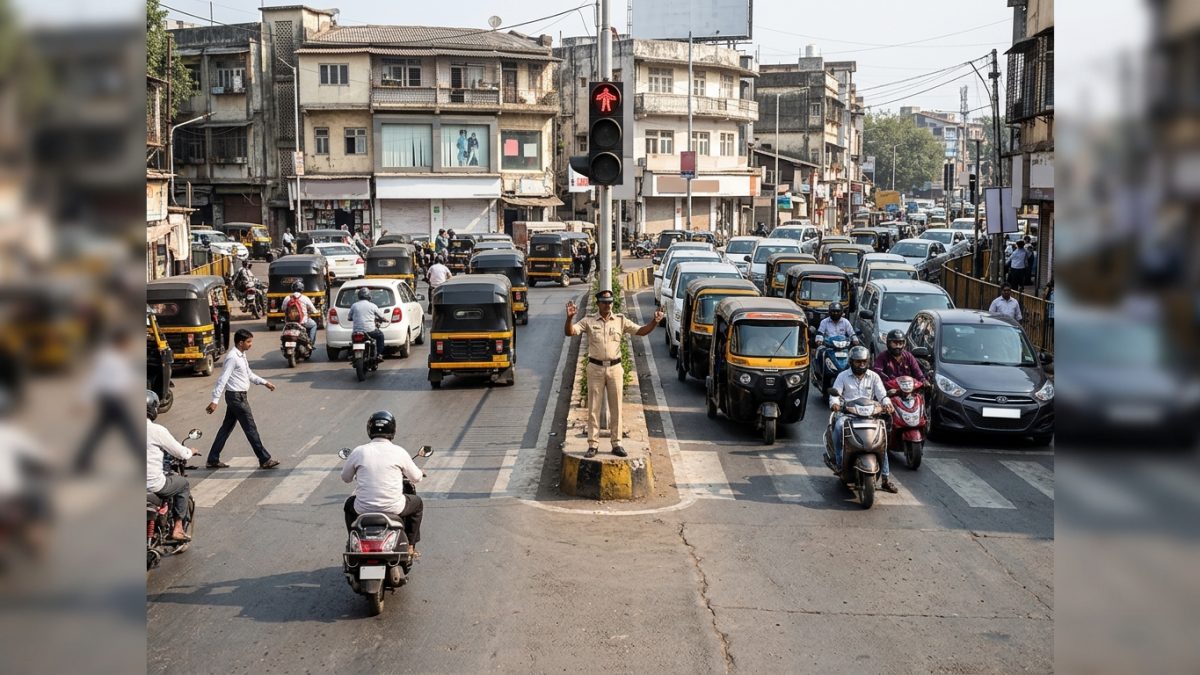
Navigating the new driving licence rules in india requires completing your course and submitting electronic forms on the official Sarathi Parivahan portal. Following the correct process ensures a smooth document verification process.
You can check the progress of your application or verify your credentials anytime through the VahanX driving licence status tool. Follow these sequential steps to complete your application.
- Complete the ADTC Course: Attend your designated classes, log biometric attendance, and clear the comprehensive practical assessment at your accredited facility.
- Obtain Form 5B: The training centre issues Form 5B digitally and uploads it directly to the Sarathi Parivahan database against your profile.
- Access Sarathi Parivahan: Open the official portal, select your home state from the dropdown menu, and select "Apply for Driving Licence".
- Input Learner Licence Details: Enter your active Learner's Licence (LL) number and date of birth to retrieve your central records.
- Link Your ADTC Certificate: Check the box for accredited training certification and provide your unique Form 5B reference number.
- Upload Supporting Documents: Submit Form 1 self-declaration (or Form 1A medical certificate if over 40 years of age), your active LL, and address proof via DigiLocker.
- Pay Mandatory Fees Online: Pay ₹200 for licence issuance and ₹200 for the Smart Card. The ₹300 RTO track driving test fee is automatically waived.
- Book Biometrics Slot: Schedule an RTO appointment solely for physical identity verification and digital photograph capture.
- Receive Licence via Speed Post: After the Motor Vehicle Inspector approves the file, the physical card is printed and mailed to your registered address. For continuous updates, check our guide on tracking Sarathi DL status.
Even with an ADTC Form 5B certificate, you must still visit the RTO once for digital photograph and biometric signature capture.
The 5-Strike Rule: Driving Licence Suspension Norms
Under MoRTH integration guidelines, automated surveillance systems directly interface with national driver records. The 5 strike rule driving licence india monitors repeat traffic offenders across urban networks.
High-resolution Automated Number Plate Recognition (ANPR) and Intelligent Traffic Management System (ITMS) cameras automatically feed infractions into the Parivahan database. Accumulating citations now impacts your driving privileges directly.
Offences Tracked and the 45-Day Resolution Period
The system tracks severe traffic violations captured digitally across municipal and highway camera networks. These violations include:
- Jumping red lights and stop line crossings.
- Exceeding posted speed limits on monitored corridors.
- Driving on the wrong side of divided roads.
- Using a handheld mobile phone while operating a vehicle.
- Riding a two-wheeler without a helmet or driving a car without a seatbelt.
Motorists receive a 45-day window from citation issuance to settle the penalty or submit a legal contest. If you ignore the challan or your dispute is rejected, the violation counts as an active strike.
Automated Suspension and Show-Cause Notices
Once a driver reaches five verified strikes within a single calendar year (1 January to 31 December), the Sarathi portal triggers an automated administrative review. Licence suspension is not applied without due process.
The licensing authority issues an electronic show-cause notice, granting the motorist a formal opportunity to respond. If the motorist fails to provide a valid defence, the RTO issues an order suspending the driving licence for three to six months.
RTO Vehicle Fitness Certificate Rules & Revised Fees
To curb vehicular emissions, the central government revised Rule 81 of the CMVR, 1989, via notifications G.S.R. 714(E) and G.S.R. 850(E). The rto vehicle fitness certificate rules apply progressive, age-tiered fee structures.
These financial surcharges encourage vehicle owners to phase out older vehicles voluntarily. Commercial fleets and older personal vehicles face steep renewal rates based on age brackets.
| Vehicle Category | 10 to 15 Years Old | 15 to 20 Years Old | Above 20 Years Old |
|---|
| Two-Wheelers | ₹400 | ₹1,000 | ₹2,000 |
| Light Motor Vehicles (Cars/Cabs) | ₹600 | ₹5,000 | ₹10,000 to ₹15,000 |
| Medium Goods / Passenger | ₹1,000 | ₹10,000 | ₹20,000 |
| Heavy Commercial (Trucks/Buses) | ₹1,000 | ₹12,500 | ₹25,000 |
Operating a vehicle with an expired fitness certificate attracts an automatic late fee surcharge of ₹50 per day past the expiry date.
15-Year RC Renewal for Private Non-Transport Vehicles
Private cars and two-wheelers receive an initial Registration Certificate valid for 15 years. Renewals are granted in 5-year increments, subject to passing an inspection at an automated testing station.
The central base renewal fee is ₹1,000 for two-wheelers (up from ₹300) and ₹5,000 for private cars (up from ₹600). Delayed renewals incur monthly penalties of ₹300 for two-wheelers and ₹500 for cars, alongside applicable state Green Taxes. You can verify your vehicle's registration age using our RC details search tool.
Section 199A Penalties: Stricter Rules for Underage Driving
The amended Section 199A of the Motor Vehicles Act outlines stringent penalties for juvenile driving offences. The law places legal accountability directly on the vehicle owner or parent.
Authorities enforce these provisions strictly to deter parents from permitting underage driving. The statutory consequences combine civil liabilities with criminal prosecution.
- Monetary Fine: A statutory penalty of ₹25,000 is levied on the vehicle owner or parent/guardian.
- Imprisonment Term: The parent or vehicle owner faces up to 3 years of imprisonment unless they prove the offence occurred without their knowledge.
- Vehicle Registration Action: The Registration Certificate of the vehicle involved is suspended or cancelled for 1 full year.
- Licensing Ban: The minor cannot obtain a Learner's Licence or permanent Driving Licence until reaching 25 years of age.
- Juvenile Court Proceedings: The minor faces independent legal proceedings under the Juvenile Justice (Care and Protection of Children) Act.
Regional Variations Under Parivahan New RTO Guidelines
While the central government establishes the core framework, state transport departments enforce parivahan new rto guidelines differently. Local court mandates and administrative orders introduce regional distinctions across India.
Understanding your state's transport policies helps prevent unexpected vehicle registration cancellations. Motorists must account for local environmental regulations when managing older vehicles.
Delhi-NCR Vehicle Age Restrictions
In the National Capital Region, orders from the National Green Tribunal and Supreme Court override standard 15-year RC renewal provisions. Diesel vehicles over 10 years old and petrol vehicles over 15 years old are banned from public roads.
Owners cannot renew the fitness or registration of banned vehicles in Delhi-NCR, regardless of fee payments. Such vehicles must be scrapped through registered facilities or transferred to designated outside districts using an RTO NOC.
State-Level Infrastructure and Fee Adjustments
Other Indian states have tailored their enforcement models to local administrative infrastructure:
- Kerala: Following commercial transport representations regarding central fitness fee revisions, the state transport department issued executive orders moderating specific transport fee tiers.
- Karnataka and Maharashtra: Both states have heavily prioritised automated RTO testing tracks, while private ADTC rollouts remain gradual due to strict land requirements.
- Uttar Pradesh and Gujarat: Both states have fully linked ITMS urban surveillance cameras directly with Sarathi, automating licence suspension notices for habitual offenders. Check our analysis on State Police vs Parivahan challan systems for local details.
Overcoming Common Bottlenecks Under New RTO Regulations
Adapting to new rto regulations presents real-world administrative hurdles. Many drivers encounter processing delays despite following standard digital guidelines.
Recognising these system bottlenecks early helps you take appropriate preventive measures. Here is how vehicle owners can manage common digital roadblocks.
Scarcity of Certified ADTC Infrastructure
The most common issue involves the limited number of certified ADTCs. Establishing an accredited centre requires 1 to 2 acres of land alongside advanced driving simulators, making private setup costly.
As a result, most neighbourhood driving schools only issue standard Form 5 certificates under Rule 24. Always verify that a training academy holds formal accreditation before expecting an RTO test waiver.
Phantom Challans and Portal Blocks
Automated camera misreads, cloned plates, or unrecorded RC transfers can generate incorrect digital citations. Under Supreme Court mandates, even a single unpaid challan blocks services on the Parivahan Sewa portal.
Before booking an RTO slot for fitness renewal, transfer, or licence services, clear all citations through the National e-Challan portal. Running regular checks through our e-challan search ensures you catch unexpected errors before they trigger suspension notices.
Conclusion
Staying compliant with the new rto rules requires a clear understanding of digital testing waivers, age-tiered fitness fees, and automated traffic violation tracking. Whether you plan to earn an ADTC-certified licence or renew an older vehicle RC, keep your central records accurate and updated on the Parivahan portal.
Avoid administrative roadblocks, unexpected suspension notices, or impounded registrations by regularly monitoring your vehicle profile. Run a quick check on your active citations and clear pending dues early to keep your driving record completely clean.