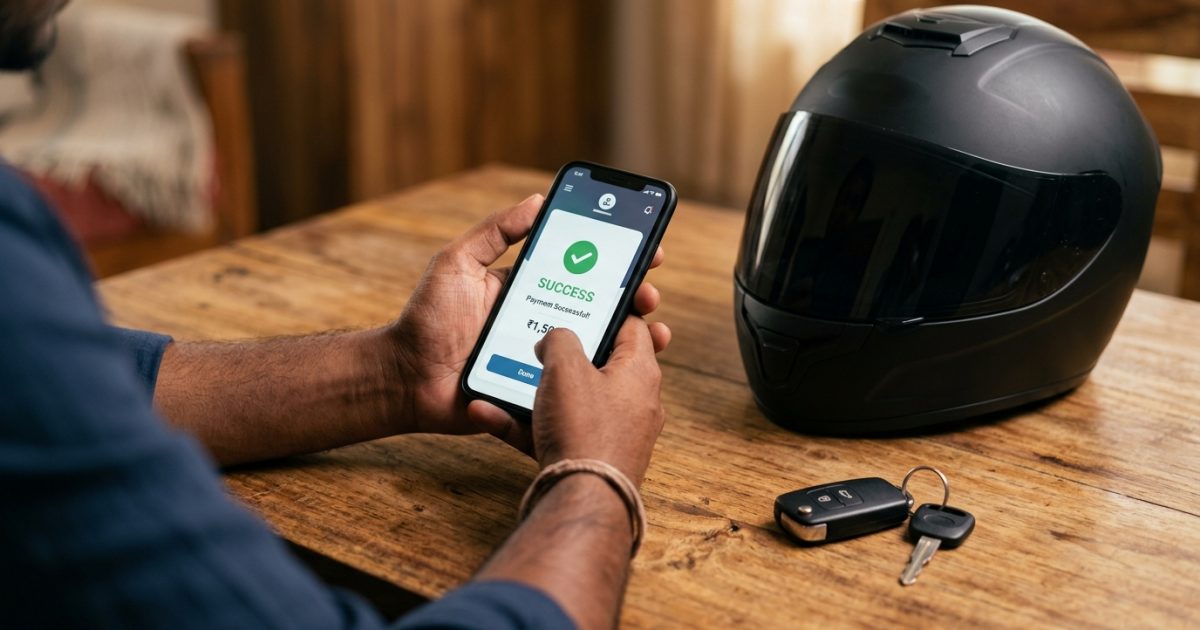
If your challan payment failed but money was deducted from your bank account, do not pay again immediately. The payment gateway holds the money while awaiting reconciliation with state treasury servers. Wait 24 to 72 hours for automated settlement, or verify the transaction manually on Parivahan before seeking a bank refund.
Before attempting any dispute, check your vehicle records via our e-challan status tool to confirm whether your traffic fine has already updated to paid or remains pending on official state records.
Key Takeaways
- Never make a second payment immediately if the bank account was debited.
- Parivahan auto-reconciliation takes between 24 and 72 hours to update.
- Use the official Check Pending Transaction tool to trigger a live status check.
- Failed gateway transactions reverse back to your bank within 3 to 7 working days.
- Unresolved duplicate debits require a ticket on the Parivahan grievance system.
| Metric / Stage | Official Timeline | Responsible Platform | Action Required |
|---|
| Batch Reconciliation | 24 to 72 hours | Treasury & Parivahan | Wait and verify online |
| UPI Auto-Reversal | T + 1 working day | Issuing Bank / NPCI | Automatic bank credit |
| Net Banking Reversal | T + 5 working days | Payment Aggregator | Automatic bank credit |
| Grievance Resolution | 7 to 15 working days | NIC Helpdesk | Raise ticket with UTR |
Why Your Challan Payment Failed Despite Money Getting Deducted
Online traffic fine settlement relies on a four-node electronic handshake. When you initiate an e challan payment failed scenario, a breakdown occurs somewhere between your bank, the payment gateway, the state cyber treasury, and the National Informatics Centre (NIC) database.
During a normal digital payment, you authorize the charge through UPI PIN, Net Banking OTP, or debit card verification. Your bank immediately debits the funds and transfers them to intermediate aggregators such as SBI ePay, PayU, or BillDesk.
If network latency occurs, a browser tab closes prematurely, or the gateway server times out, the callback API fails to deliver a success message to Parivahan. Your bank reflects a completed debit, but the traffic authority database marks the challan as pending or unpaid.
A deducted fine does not mean the government has cleared your violation. The payment is only complete when an official Parivahan receipt number is generated.
The Anatomy of a Failed Digital Payment
Every online traffic payment involves multiple external handshakes:
- User Application: Initiates payment request from smartphone or computer.
- Bank or UPI App: Authenticates user credentials and releases funds.
- Merchant Gateway: Holds the funds temporarily and queries the recipient treasury.
- NIC Parivahan Server: Verifies settlement and marks the challan status as cleared.
When the gateway fails to inform NIC about the successful debit before the session window expires, your transaction enters an unverified state.
How to Verify Pending Challan Status on Parivahan
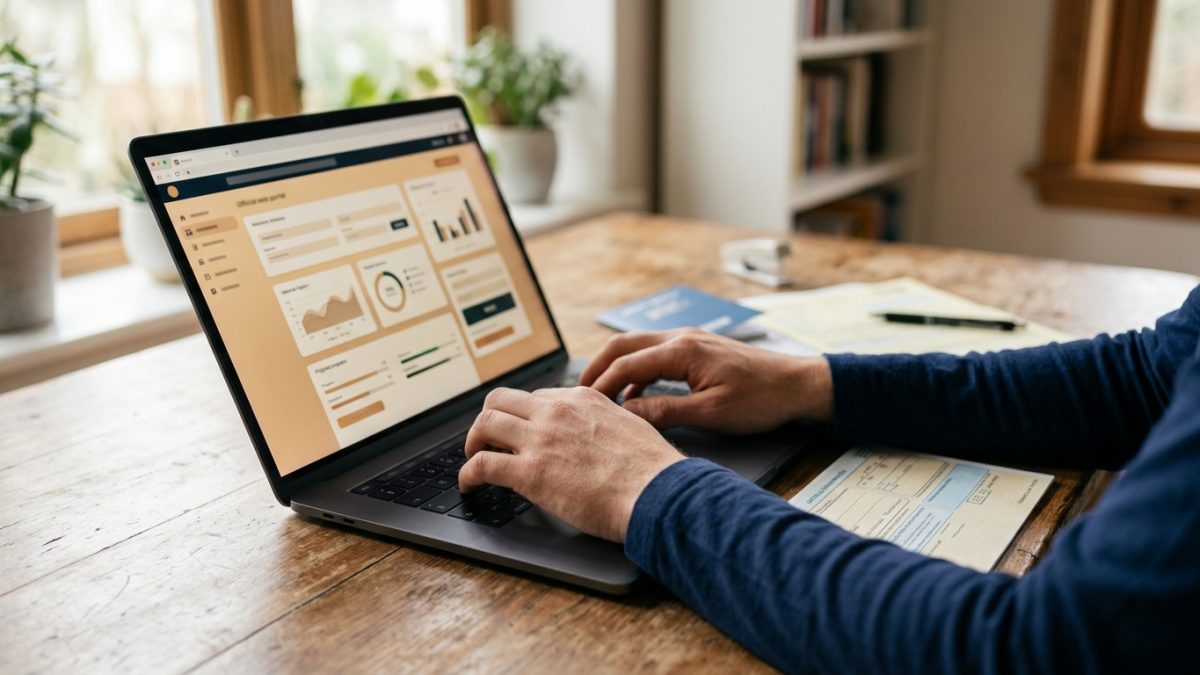
When a traffic challan payment failed error occurs, you must not repeat the transaction right away. You can manually force the Parivahan database to re-query the payment gateway using official verification features.
The Ministry of Road Transport and Highways provides a dedicated portal function to reconcile stuck payments.
- Visit the official portal: Open your web browser and navigate directly to echallan.parivahan.gov.in.
- Access pending transactions: From the top navigation bar, click on the link titled parivahan check pending transaction.
- Enter violation parameters: Type in your Challan Number or complete Vehicle Registration Number.
- Solve security captcha: Enter the letters and numbers displayed in the verification image and click Get Details.
- Locate the transaction log: Review the transaction attempts displayed on screen along with their current gateway status.
- Force status verification: Click the Verify button next to the pending transaction to ping the gateway for real-time settlement.
If the gateway confirms that the state treasury accepted the funds, your screen will refresh immediately with a confirmation message and generate your official digital payment receipt.
Method 2: Verification via General Challan Status
If you cannot find the direct pending transaction link, use the main search console to verify your records.
- Open challan inquiry: Go to the Check Challan Status page on the central Parivahan portal.
- Submit identity data: Enter your Challan Number, Vehicle Number with engine or chassis digits, or Driving Licence number.
- Review the payment column: Find your unsettled challan in the results list and look under the Payment column.
- Click the verify option: If an e challan paid but showing pending notice appears, click the Verify button instead of Pay Now.
If the payment aggregator confirms settlement, your challan flips to Paid. If the bank definitively dropped the charge, the system resets the status to Pay Now, allowing you to settle the fine cleanly without risking double charges.
Resolution Timelines and RBI Refund Rules for Failed Payments
Understanding official timelines prevents premature panic when challan payment failed but amount deducted alerts appear on your mobile phone. Banking rules mandate specific recovery periods based on the transaction channel used.
| Payment Channel | RBI Auto-Reversal Window | RBI Penalty Beyond TAT | Reconciliation Window |
|---|
| UPI / BHIM Apps | T + 1 business day | ₹100 per day of delay | 24 to 48 hours |
| Net Banking | T + 5 business days | ₹100 per day of delay | 48 to 72 hours |
| Debit / Credit Card | T + 5 business days | ₹100 per day of delay | 48 to 72 hours |
| Treasury Gateway | Manual / 7 working days | Not applicable | Up to 72 hours |
Automated Reconciliation Windows
The NIC eChallan engine runs automated reconciliation batch jobs every 12 to 24 hours. These automated sweeps pull settlement reports from SBI ePay, state cyber treasuries, and major nationalized banks.
Most failed transactions that were successfully debited from an account reconcile automatically within 24 to 72 hours. Check your records after this window before attempting further manual steps.
Reserve Bank of India TAT Framework
The Reserve Bank of India established clear rules under its Harmonisation of Turn Around Time (TAT) circular. When a merchant transaction drops midway:
- UPI Transactions: The bank must reverse failed transactions by T + 1 day (Transaction date plus one working day).
- Card and Net Banking Payments: The reversal must occur within T + 5 business days.
- Failure Compensation: Banks failing to adhere to these reversal deadlines are mandated to pay ₹100 per day directly to the account holder.
RBI auto-reversal rules apply only if funds remained stuck at the payment gateway level. If funds were credited into the government treasury account, the issue must be resolved via treasury reconciliation rather than an automatic banking bounce-back.
Documents Needed Before Raising a Failed Challan Grievance
If the 72-hour window elapses and you encounter a challan money debited but receipt not generated issue, prepare your evidence before lodging an official inquiry.
Always verify that your vehicle registration particulars match the details held on the central database by running a quick RC verification check. Keep the following supporting documents organized:
- Vehicle Registration Number: The exact registration sequence as registered on the Parivahan database.
- Challan Number: The 12 to 15 digit alphanumeric notice number issued by the traffic police.
- Bank UTR or Transaction Reference Number: The unique 12-digit transaction ID generated by your bank or UPI app.
- Payment Gateway Transaction ID: The order number generated by SBI ePay or intermediate gateway if visible on screen.
- Proof of Debit: Bank statement excerpt or UPI receipt in PDF format clearly displaying debit date, amount, and timestamp.
- Vehicle Owner Contact Details: The active mobile phone number and email address linked to the vehicle RC.
Step-by-Step Guide: Raising a Grievance on Parivahan Portal
When automated systems fail to reconcile your money, log a formal ticket using the parivahan grievance failed challan payment system.
- Navigate to ticket portal: Open echallan.parivahan.gov.in/gsticket/ in your browser.
- Input personal credentials: Enter your full name, registered mobile number, email address, and state where the violation occurred.
- Provide challan details: Select the Challan Number option and enter your complete alphanumeric ticket code.
- Select issue category: In the grievance category dropdown, pick Payment / Transaction Issue or Challan Paid But Pending.
- Upload financial proof: Attach your bank debit statement or payment confirmation screenshot showing the UTR number.
- Submit and store ticket: Click Submit and save the generated Ticket Number to monitor progress on the Ticket Status tab.
If you receive no update within 5 working days after submitting a grievance, escalate the issue to the central transport helpdesk at helpdesk-echallan@gov.in. You can also contact the Parivahan national helpline at +91-120-4925505 between 06:00 AM and 12:00 Midnight, or call MoRTH support at 0120-2459171.
State-Specific Portals: Handling Failed Challans Outside Central Parivahan
While central Parivahan covers most Indian states, several regions manage their traffic enforcement through independent police databases or separate cyber treasury infrastructure.
| State / Territory | Primary Challan Portal | Settlement Mechanism | Refund Resolution Channel |
|---|
| Delhi | traffic.delhipolice.gov.in | Delhi Police Gateway | Delhi Police Notice Branch |
| Telangana | echallan.tspolice.gov.in | State Cyber Treasury | Auto-refund within 7 working days |
| Maharashtra | MahaTraffic App / Portal | MahaOnline Gateway | Local Traffic Branch / SP Office |
| Virtual Court Cases | vcourts.gov.in | ePay Judicial Gateway | Virtual Court Helpdesk |
Delhi Traffic Police Portal
Camera-based notices issued in Delhi frequently clear through the dedicated Delhi Traffic Police Portal. If an online transaction is debited on this interface without clearing the notice, status disputes must be registered through Delhi Traffic Police Helpdesk instead of the central Parivahan portal.
Telangana Police eChallan
Telangana operates its own system at echallan.tspolice.gov.in. State police guidelines specify that vehicle owners should wait 24 hours if payment is deducted but the challan remains uncleared. If reconciliation fails, the portal automatically initiates a return within 7 working days.
Virtual Court Transactions
When an unpaid traffic fine passes its statutory settlement deadline, the police department transfers the record to the judicial branch. Review our complete Virtual Court challan payment guide to understand how judicial proceedings process camera fines.
If a settlement drops on vcourts.gov.in after a debit, do not look for payment verification on Parivahan. You must verify transaction status directly under the View Status or Transaction section of the Virtual Court portal.
Traffic Fine Refund Process for Duplicate Deductions
A complicated scenario arises when an anxious driver pays twice for the same violation, resulting in a duplicate treasury debit. Executing a traffic fine refund process online requires direct manual intervention.
- Wait for first settlement: Ensure that at least one of the transactions has updated to Paid on the official registry.
- Collect both payment receipts: Download the official challan receipt and retrieve bank transaction records for both debits.
- Submit a formal grievance: File a ticket on the Parivahan Grievance Portal under the duplicate payment category.
- Email account officers: Draft an email to helpdesk-echallan@gov.in detailing both UTR numbers, date, vehicle registration, and amount.
- Escalate to local treasury: For state-specific portals like Delhi or Karnataka, submit physical copies of both receipts to the Accounts Officer at the local Traffic Police Headquarters.
Banks cannot issue a direct chargeback on duplicate payments that have reached state treasuries. Reversing duplicate fine payments requires clearance from the concerned transport department accounts officer.
Critical Mistakes to Avoid When an E-Challan Payment Fails
Experiencing an unverified fine transaction can be frustrating, but rash reactions often make the situation worse.
Do Not Make a Second Payment on the Same Day
The single most common mistake vehicle owners make is attempting an immediate repayment. When the first transaction is merely delayed in gateway settlement queues, paying again almost guarantees a duplicate deduction. Always observe the mandatory 72-hour waiting window.
Beware of SMS and WhatsApp Challan Scams
Fraudsters exploit the anxiety surrounding traffic violations by sending fraudulent messages claiming traffic fines will double within 24 hours. These messages contain phishing links ending in deceptive domains or direct file downloads.
Remember that legitimate central and state government portals only operate under .gov.in or .nic.in domains. Never input bank details or make payments through third-party links received via SMS.
Avoid Pressing Back or Refresh During Payment
When finalizing an online challan transaction, your browser redirects through multiple intermediate encryption layers. Pressing the back button, pulling down to refresh, or switching between smartphone apps breaks the callback token, leaving your payment stranded in gateway memory.
Review updated compliance guidelines in our guide on traffic challan check online rules to stay informed on official notice settlement periods as of September 2026.
If you remain unsure about whether your vehicle has active legal notices, run an online query via our challan check platform before initiating any new transactions.
Conclusion
Dealing with a challan payment failed alert when money has left your account can feel stressful, but funds are rarely lost permanently. By respecting the 24 to 72-hour reconciliation window, using the built-in Parivahan verification buttons, and avoiding hasty duplicate attempts, you can ensure your traffic fine clears smoothly without losing money.
If your payment does not update within 3 business days, gather your bank UTR and challan notice details to file an official ticket on the Parivahan grievance system or request an auto-reversal through your bank.