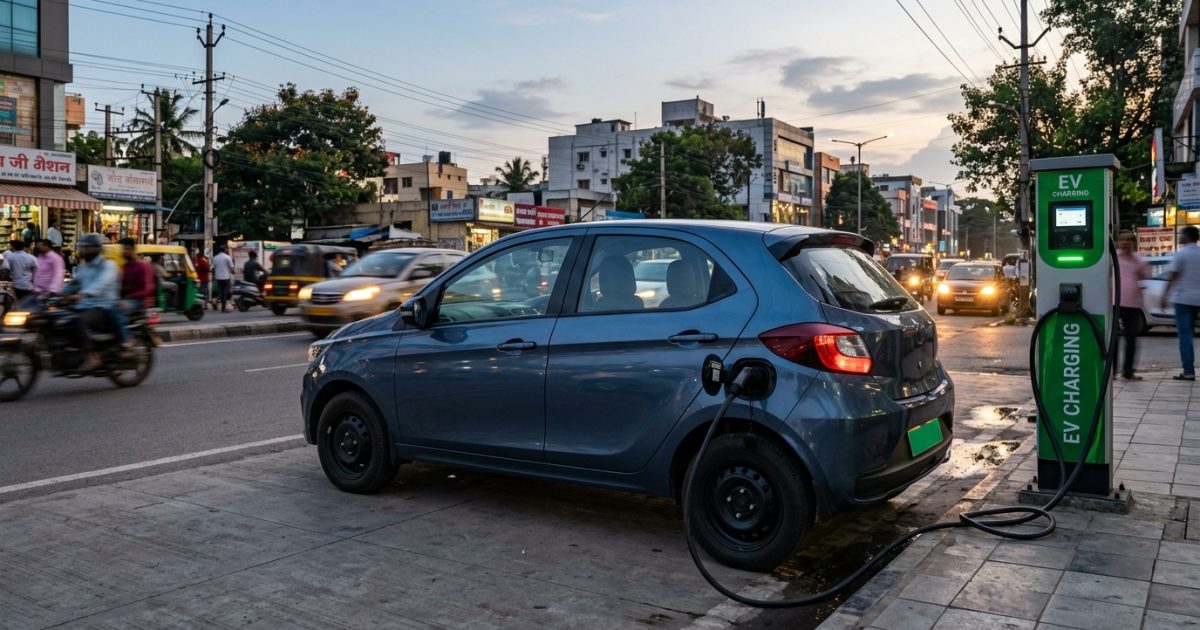
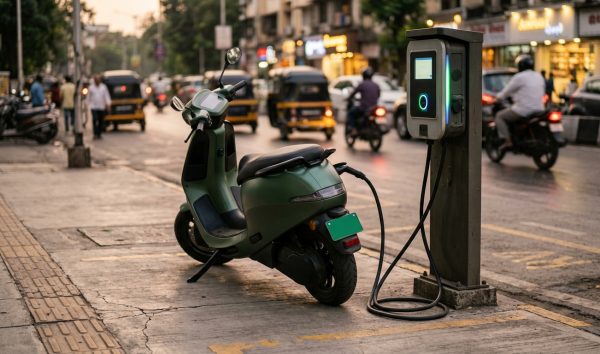
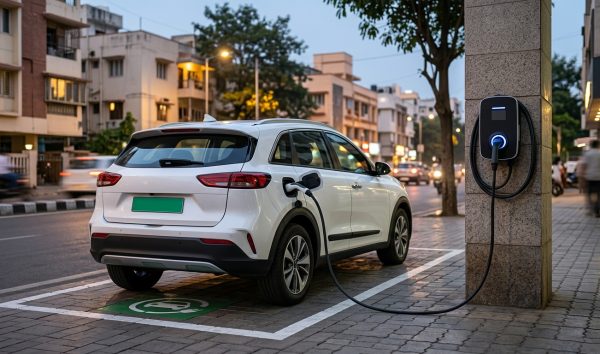
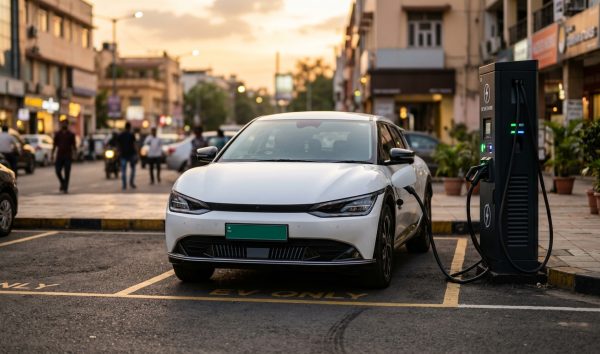
The central ev subsidy in india operates under the PM E-DRIVE scheme, providing an upfront discount of ₹2,500 per kWh up to a ceiling of ₹5,000 on qualifying electric two-wheelers. The subsidy applies directly on the dealer invoice via an Aadhaar-authenticated digital voucher. Private electric cars receive no central cash subsidy, though buyers save through state road tax exemptions and central GST rebates.
Before taking delivery of any subsidized vehicle, buyers can check RC details to verify whether vehicle records, chassis numbers, and fuel categories match the official Parivahan registry correctly.
Key Takeaways
- PM E-DRIVE provides a central incentive of ₹2,500 per kWh, capped at ₹5,000 per electric two-wheeler.
- Subsidies are deducted upfront from the dealer invoice using an Aadhaar e-voucher with facial authentication.
- Private electric four-wheelers receive zero central cash subsidy under current PM E-DRIVE guidelines.
- Several Indian states offer a 100% motor vehicle tax waiver alongside nationwide zero registration fees.
- Each individual citizen can claim the PM E-DRIVE subsidy on only one electric two-wheeler.
| Scheme Parameter | Official PM E-DRIVE Rule |
|---|
| Nodal Ministry | Ministry of Heavy Industries (MHI) |
| Administering Agency | IFCI Ltd. |
| Total Budget Outlay | ₹11,900 crore (extended through March 2028) |
| Two-Wheeler Subsidy Rate | ₹2,500 per kWh |
| Maximum Two-Wheeler Cap | ₹5,000 (or 15% of ex-factory price) |
| Maximum Ex-Factory Price | ₹1,50,000 |
| Verification Method | Aadhaar Face Auth / e-KYC E-Voucher |
What Is the PM E-DRIVE Scheme in India?
The Prime Minister Electric Drive Revolution in Innovative Vehicle Enhancement (PM E-DRIVE) scheme is the flagship central program supporting clean mobility. It succeeded the Faster Adoption and Manufacturing of Electric Vehicles (FAME-II) framework and subsumed the interim Electric Mobility Promotion Scheme (EMPS) 2024.
The central government notified the scheme through Gazette Notification S.O. 4259(E) on 29 September 2024, rolling it out nationwide on 1 October 2024. The program operates through the official pm e drive scheme portal managed by IFCI Ltd. for the Ministry of Heavy Industries.
Originally approved with an outlay of ₹10,900 crore through March 2026, the central government revised allocations through multiple notifications. Gazette Notification S.O. 4424(E), notified on 10 August 2026, raised the total outlay to ₹11,900 crore. This revision allocated ₹2,767 crore specifically for electric two-wheelers, extending the operational window for e-2Ws through 31 March 2028 to support over 45.7 lakh units.
The PM E-DRIVE scheme replaces direct bank transfers with point-of-sale Aadhaar e-vouchers. Buyers do not wait for post-purchase reimbursements.
Electric Scooter Subsidy in India: Rates and Calculation
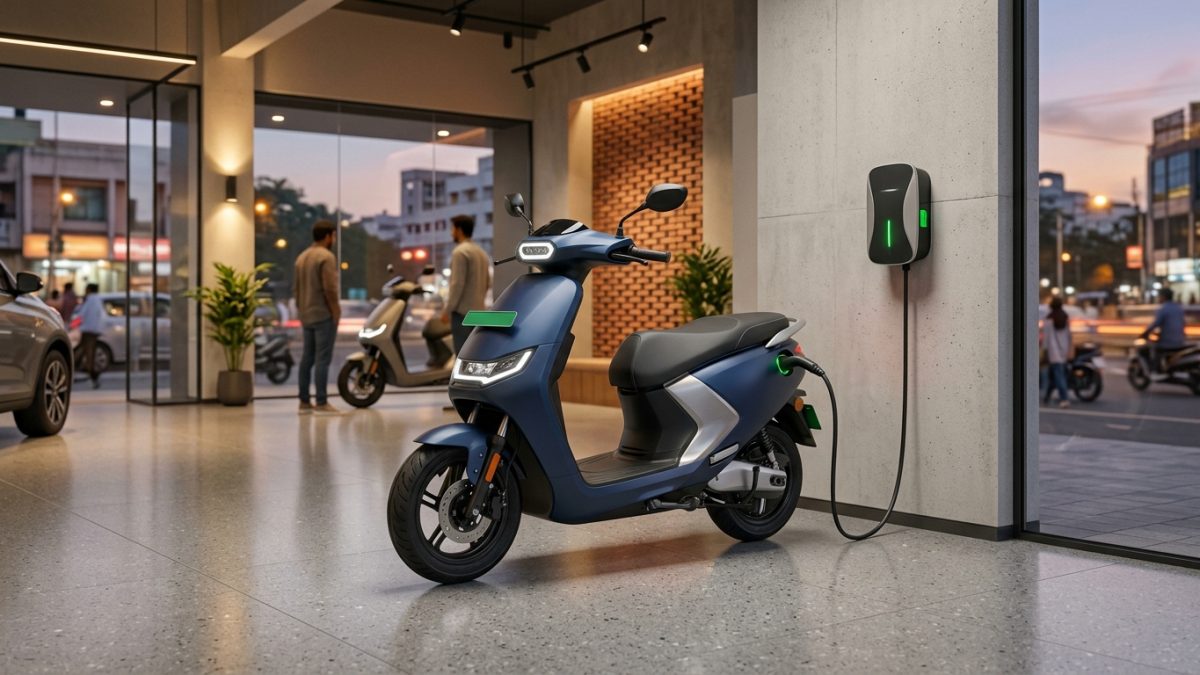
The pm e drive subsidy electric scooter framework follows a transparent mathematical structure linked directly to battery size. The incentive rate is fixed at ₹2,500 per kilowatt-hour (kWh) of battery capacity.
However, the total central discount cannot exceed ₹5,000 per vehicle or 15% of the vehicle ex-factory price, whichever is lower. During Year 1 (FY 2024–25), the scheme offered ₹5,000 per kWh capped at ₹10,000. As scheduled under scheme rules, this incentive tapered down to the current slab on 1 April 2025.
Qualification Criteria for Electric Two-Wheelers
Not every electric two-wheeler sold in showrooms qualifies for financial assistance. The Ministry of Heavy Industries enforces strict technical and commercial thresholds:
- Ex-Factory Price Ceiling: The base ex-factory price of the two-wheeler must not exceed ₹1,50,000. High-end lifestyle models costing above this threshold receive zero subsidy.
- Battery Chemistry: Only two-wheelers fitted with advanced chemistry battery packs, such as Lithium-ion, qualify. Lead-acid vehicles are strictly barred.
- Warranty Standards: Original Equipment Manufacturers (OEMs) must provide a comprehensive warranty covering at least 3 years or 20,000 kilometers, inclusive of the battery pack.
- PMP Compliance: The model must hold active Phased Manufacturing Programme (PMP) compliance certificates issued by authorized test agencies like ARAI or ICAT.
Real-World Subsidy Calculation Examples
Because the incentive has a ceiling of ₹5,000, almost all high-speed options among the best electric scooter models in India hit the upper cap.
| Battery Capacity | Formula Calculation | Applicable Subsidy | Final Benefit |
|---|
| 2.2 kWh (Entry model) | 2.2 × ₹2,500 = ₹5,500 | Capped at ₹5,000 | ₹5,000 upfront off invoice |
| 3.4 kWh (Mid variant) | 3.4 × ₹2,500 = ₹8,500 | Capped at ₹5,000 | ₹5,000 upfront off invoice |
| 4.0 kWh (Long range) | 4.0 × ₹2,500 = ₹10,000 | Capped at ₹5,000 | ₹5,000 upfront off invoice |
Buyers exploring the electric bike subsidy amount 2026 should note that high-speed electric motorcycles follow this exact same ₹5,000 cap, provided their ex-factory price stays under ₹1.5 lakh.
How to Claim EV Subsidy in India via Aadhaar E-Voucher
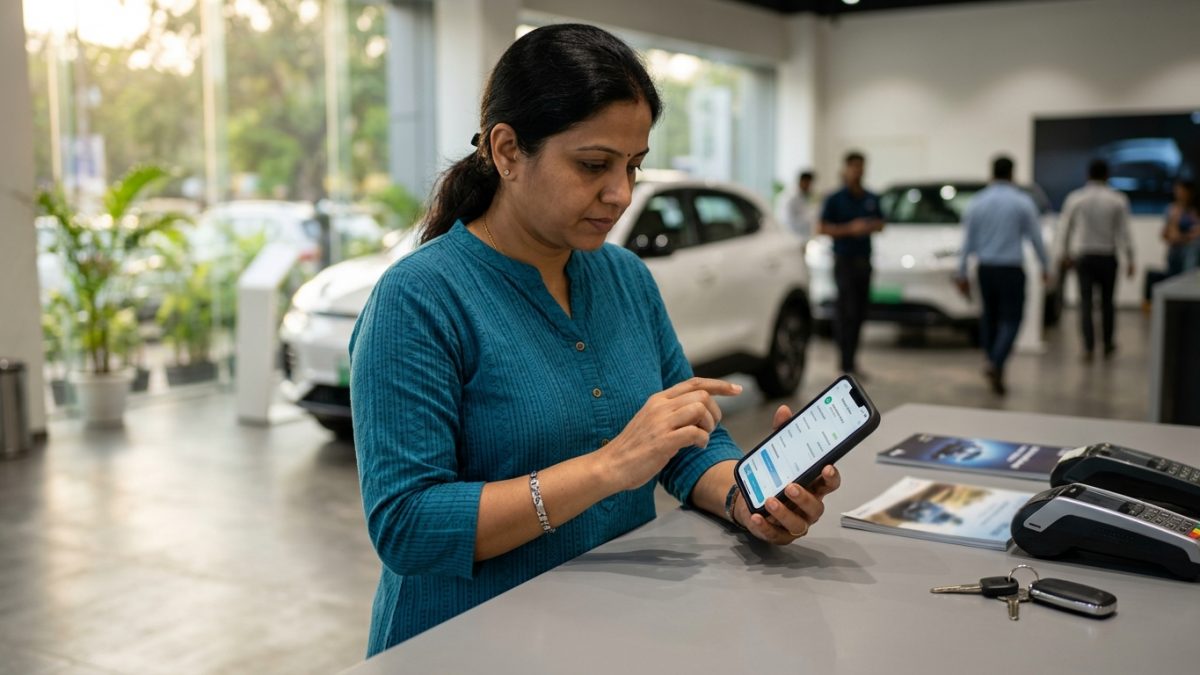
Many first-time buyers wonder how to claim ev subsidy in india at the time of purchase. The process is completely paperless and handled directly at authorized dealerships through the central portal.
The discount is deducted upfront from your invoice before you make your payment. Here is the operational workflow from dealer verification to delivery:
- Eligibility Verification: The dealer accesses the PM E-DRIVE portal, enters your Aadhaar number and active mobile number, and selects the electric two-wheeler category.
- Database De-duplication: The portal automatically verifies UIDAI records to confirm your Aadhaar has not previously claimed an electric two-wheeler subsidy anywhere in India.
- Facial Authentication: Using the PM E-DRIVE mobile app, the dealer conducts Aadhaar Face Authentication with your smartphone or dealership camera. Biometric or OTP verification serves as a secondary backup.
- E-Voucher Generation: Once authentication succeeds, the system generates a unique voucher. You receive an automated SMS containing the pm e drive e voucher download link.
- Digital Signing: You open the link on your mobile, review the vehicle details and subsidy amount, and complete the digital e-signature. The dealer counter-signs the digital record.
- Invoice Deduction: The dealer bills your vehicle, subtracting the ₹5,000 incentive directly from the final purchase invoice.
- Vahan Registration: The dealer registers the scooter on the MoRTH Parivahan Portal, permanently mapping your unique voucher ID to your vehicle chassis and motor number.
Always ensure your Aadhaar has your current mobile number updated. If UIDAI records contain an inactive phone number, the dealership cannot generate your subsidy voucher.
State EV Subsidy and Road Tax Exemption Rules
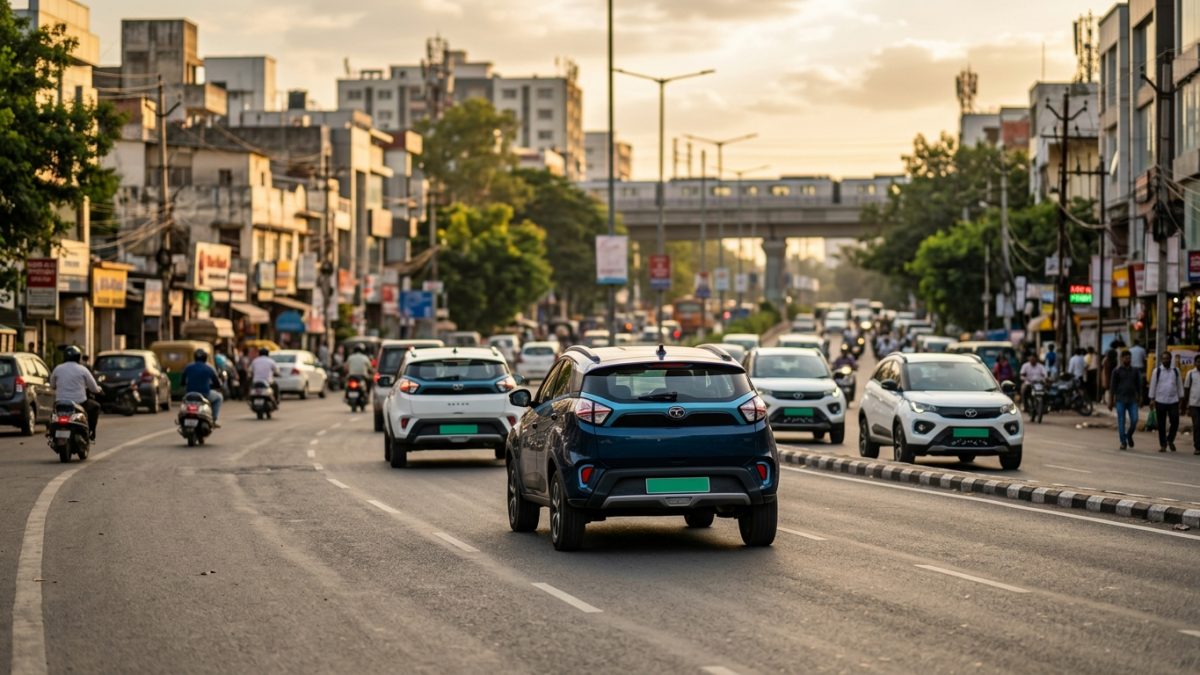
The central PM E-DRIVE scheme works alongside state EV policies. While the central government provides upfront discounts and sets GST at a concessional 5%, individual states control road tax and local registration levies.
Under a statutory directive from the Ministry of Road Transport and Highways (MoRTH), Battery Operated Vehicles (BOVs) are completely exempt from paying basic Registration Certificate (RC) issuance and renewal fees across all Indian RTOs.
Beyond RC fees, road tax policies differ by state. Understanding the state ev subsidy and road tax exemption rules helps buyers calculate their exact on-road price.
| State / UT | Road Tax Exemption | Special Conditions |
|---|
| Delhi | 100% Waiver | Applies to two-wheelers and eligible passenger electric cars |
| Maharashtra | 100% Waiver | Exemption valid across vehicle segments through 2030 |
| Tamil Nadu | 100% Waiver | Zero road tax and zero registration charges for all BOVs |
| Telangana | 100% Waiver | Complete exemption on road tax and municipal registration fees |
| Assam, Bihar, WB, Punjab | 100% Waiver | Full road tax waiver for electric vehicles registered in the state |
| Karnataka | Partial / Slab-based | 100% waiver on e-2Ws; tax slabs reinstated on premium e-cars |
| Uttar Pradesh | Conditional Waiver | Full waiver requires vehicles to be manufactured and registered in UP |
| Kerala | Concessional Rate | 50% road tax rebate (levies roughly 3% to 10% tax slab) |
| Madhya Pradesh | Concessional Rate | Levies concessional tax between 1% and 4% |
Buyers can cross-reference local policy updates and operational charging hubs via the official NITI Aayog e-AMRIT EV Incentive Portal before making purchase commitments.
Is Subsidy Available on Electric Cars in India?
A frequent question among car shoppers is: is subsidy available on electric cars in india? The clear answer is no, at least from the central government.
The central PM E-DRIVE program strictly excludes personal, private electric four-wheelers. Scheme funds are reserved entirely for mass public transport and commercial fleets, including electric two-wheelers, three-wheelers, e-buses, e-ambulances, and commercial e-trucks. As documented by official outlay details on the Press Information Bureau PM E-DRIVE release, private passenger cars receive no direct capital incentive.
Even without direct central cash subsidies, private electric car buyers still benefit financially through other statutory avenues:
- Lower GST Slab: Electric cars attract only 5% GST, compared to 28% plus compensation cess on internal combustion engine vehicles.
- Road Tax Savings: States like Maharashtra, Delhi, Telangana, and Tamil Nadu waive 100% of the motor vehicle tax, saving buyers anywhere between ₹1 lakh and ₹3 lakh on the road.
- Zero Registration Fees: Nationwide RTO waivers mean buyers pay no statutory RC issuance charges.
Buyers evaluating four-wheelers can review the latest electric car price in india to assess how state tax waivers lower initial acquisition expenses.
Commercial electric cars operating under commercial aggregators may access targeted fleet incentives, but privately registered personal cars remain ineligible for central cash subsidies.
Common Issues in PM E-DRIVE Voucher Generation
While the digital voucher system on the PM E-DRIVE portal speeds up transactions, buyers and dealerships encounter occasional technical bottlenecks. Understanding these friction points helps avoid delivery delays.
1. Aadhaar-Linked Mobile Mismatch
The PM E-DRIVE portal triggers an automated SMS containing the voucher verification link immediately after facial authentication. If your mobile number registered with UIDAI is disconnected or lost, you cannot open the link to sign the voucher, and the dealer cannot complete the invoice.
2. Face Authentication Errors
Dealership apps use UIDAI facial recognition technology. Poor lighting inside the showroom, low front-camera resolution, or central UIDAI server timeouts can cause facial match failures. In such cases, dealers must fall back to biometric fingerprint scanners or OTP authentication.
3. Model Certificate and Vahan Sync Lags
Before a voucher is approved, the PM E-DRIVE portal matches the vehicle VIN and motor number against the manufacturer’s uploaded batch data. If an OEM has not uploaded the exact batch certificate or if the Vahan server fails to map the model variant, voucher redemption stalls temporarily.
4. Ex-Factory Price Disqualifications
Some dealerships attempt to add mandatory accessories or handling charges directly to the base bill. If the declared ex-factory price exceeds ₹1,50,000 by even one rupee, the portal rejects subsidy eligibility instantly.
| Common Problem | Underlying Cause | Immediate Solution |
|---|
| Voucher SMS not received | Outdated phone number in UIDAI database | Update mobile number at an Aadhaar Seva Kendra before purchase |
| Face Auth failure | Camera glare, low light, or server delay | Use dealer biometric scanner or retry with better lighting |
| Portal rejects Aadhaar | Subsidy already claimed on an earlier vehicle | Transfer purchase to an eligible adult family member’s Aadhaar |
| Vahan sync error | OEM delayed uploading chassis numbers | Wait for dealer to escalate batch upload to manufacturer desk |
Once your electric vehicle purchase is complete and registered, you can track your updated vehicle record, tax status, and fuel type online using our free VahanX RC search tool.
Conclusion
Securing an ev subsidy in india is now simpler than ever under the PM E-DRIVE scheme, thanks to paperless Aadhaar e-vouchers that deduct up to ₹5,000 directly from your electric scooter invoice. While personal electric cars do not receive central cash subsidies, substantial savings remain accessible through 100% state road tax waivers and nationwide zero RC registration fees.
Before visiting your nearest showroom, ensure your Aadhaar is linked to your active mobile number and confirm that your preferred model falls within the ₹1.5 lakh ex-factory limit. Once your electric vehicle hits the road, you can easily verify its official registration details, fuel norms, and road tax validity through VahanX.