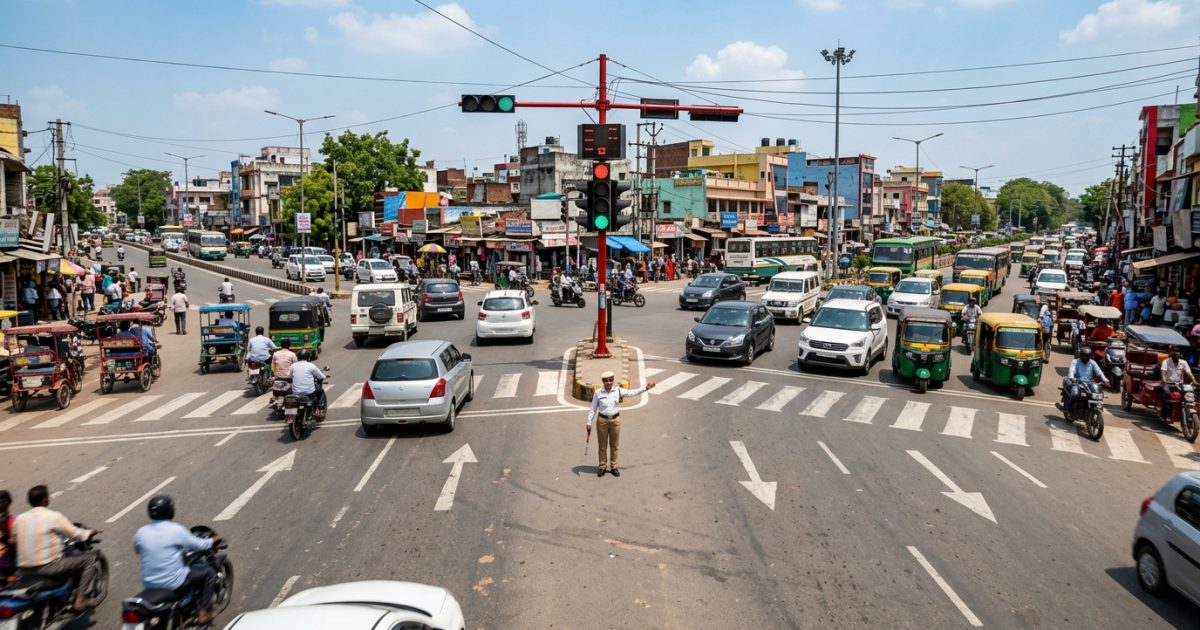
The official traffic fine list in India is governed by the Motor Vehicles Act, 1988, as amended by the Motor Vehicles (Amendment) Act. Standard penalties range from ₹500 for minor procedural lapses up to ₹25,000 and imprisonment for serious offences like juvenile driving or repeated dangerous driving. Before travelling, motorists should regularly check pending traffic fines online to settle any digital e-challans issued by automated traffic cameras.
As of September 2026, traffic police departments and transport authorities across India enforce these rules strictly using intelligent transport networks. Automated number plate recognition (ANPR) systems and virtual courts ensure transparent, digital tracking of all traffic rules India penalties on public roads.
Key Takeaways
- Driving without a licence attracts a mandatory fine of ₹5,000 under Section 181.
- Riding without an approved helmet incurs a ₹1,000 penalty plus a 3-month licence disqualification.
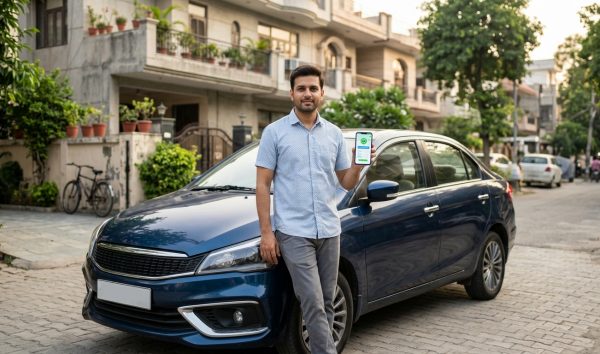
- Vehicle owners can present digital RC, DL, and insurance on DigiLocker or mParivahan.
- Enforcement officers who violate traffic rules face double the standard penalty under Section 210B.
- Compoundable fines can be paid online via Parivahan, while court challans require Virtual Court disposal.
| Violation Type | MVA Section | Standard Fine Amount | Additional Legal Consequence |
|---|
| Driving Without Licence | Section 181 | ₹5,000 | Community service or up to 3 months jail |
| Riding Without Helmet | Section 194D | ₹1,000 | 3-month licence disqualification |
| Driving Without Insurance | Section 196 | ₹2,000 (1st offence) | Up to 3 months imprisonment |
| Over-Speeding (Cars/LMV) | Section 183(1)(i) | ₹1,000 to ₹2,000 | Impounding of licence for repeat offence |
| Jumping Red Light | Section 184 | ₹1,000 to ₹5,000 | Direct court or Virtual Court summons |
Complete Traffic Fine List under Motor Vehicles Act
The revised motor vehicle act fines establish heavy statutory penalties to deter dangerous driving, curb road accidents, and ensure document compliance. Under Section 200 of the Act, state governments hold specific compounding powers for minor offences, while grave safety breaches remain strictly non-compoundable.
The central traffic challan rate list applies standard penalty brackets across every union territory and state, unless a localized compounding notification has lowered or restructured the charge. Knowing these specific legal sections protects drivers from harassment and helps verify digital notice accuracy.
| Violation Description | MVA Section | 1st Offence Fine | Repeat Offence Fine / Penalty |
|---|
| Driving without valid licence | Section 181 | ₹5,000 | ₹5,000–₹10,000 / up to 3 months jail |
| Allowing unauthorised person to drive | Section 180 | ₹5,000 | ₹5,000 / up to 3 months jail |
| Driving despite disqualification | Section 182(1) | ₹10,000 | ₹10,000 / up to 3 months jail |
| Riding without helmet (rider/pillion) | Section 194D | ₹1,000 | ₹1,000 + 3-month DL suspension |
| Triple riding on two-wheeler | Section 194C | ₹1,000 | ₹1,000 + potential 3-month DL suspension |
| Driving without seat belt | Section 194B | ₹1,000 | ₹1,000 |
| Over-speeding (Light Motor Vehicle) | Section 183(1)(i) | ₹1,000–₹2,000 | ₹2,000 + licence impounding |
| Over-speeding (Medium/Heavy Vehicle) | Section 183(1)(ii) | ₹2,000–₹4,000 | ₹4,000 + licence suspension |
| Jumping red light / dangerous driving | Section 184 | ₹1,000–₹5,000 | ₹10,000 / up to 2 years jail |
| Driving without valid motor insurance | Section 196 | ₹2,000 | ₹4,000 / up to 3 months jail |
| Driving without valid PUC certificate | Section 190(2) | Up to ₹10,000 | Up to ₹10,000 / up to 6 months jail |
| Drunk driving (BAC > 30mg/100ml) | Section 185 | Up to ₹10,000 | Up to ₹15,000 / up to 2 years jail |
| Using mobile phone while driving | Section 184(c) | ₹1,000–₹5,000 | Up to ₹10,000 |
| Blocking emergency vehicles | Section 194E | ₹10,000 | ₹10,000 / up to 6 months jail |
| Offences by juveniles / minor driving | Section 199A | ₹25,000 on owner | 3 yrs jail, 1-yr RC cancellation, DL bar |
| Unregistered vehicle / driving without RC | Section 192 | ₹2,000–₹5,000 | ₹5,000–₹10,000 / up to 1 year jail |
| Driving commercial unit without permit | Section 192A | Up to ₹10,000 | ₹10,000 / up to 6 months jail |
| Overloading goods vehicles | Section 194(1) | ₹20,000 + ₹2,000/tonne | ₹20,000 + ₹2,000/tonne |
| Overloading passenger vehicles | Section 194A | ₹200 per excess head | ₹200 per excess head |
| Disobeying police orders / obstruction | Section 179 | ₹2,000 | ₹2,000 |
| General traffic rule violation | Section 177 | ₹500 | ₹1,500 |
Warning: Under Section 210B of the Motor Vehicles Act, any police or transport enforcement officer who violates traffic rules is liable to pay double the prescribed statutory penalty.
RTO Fine List for Two Wheeler Violations
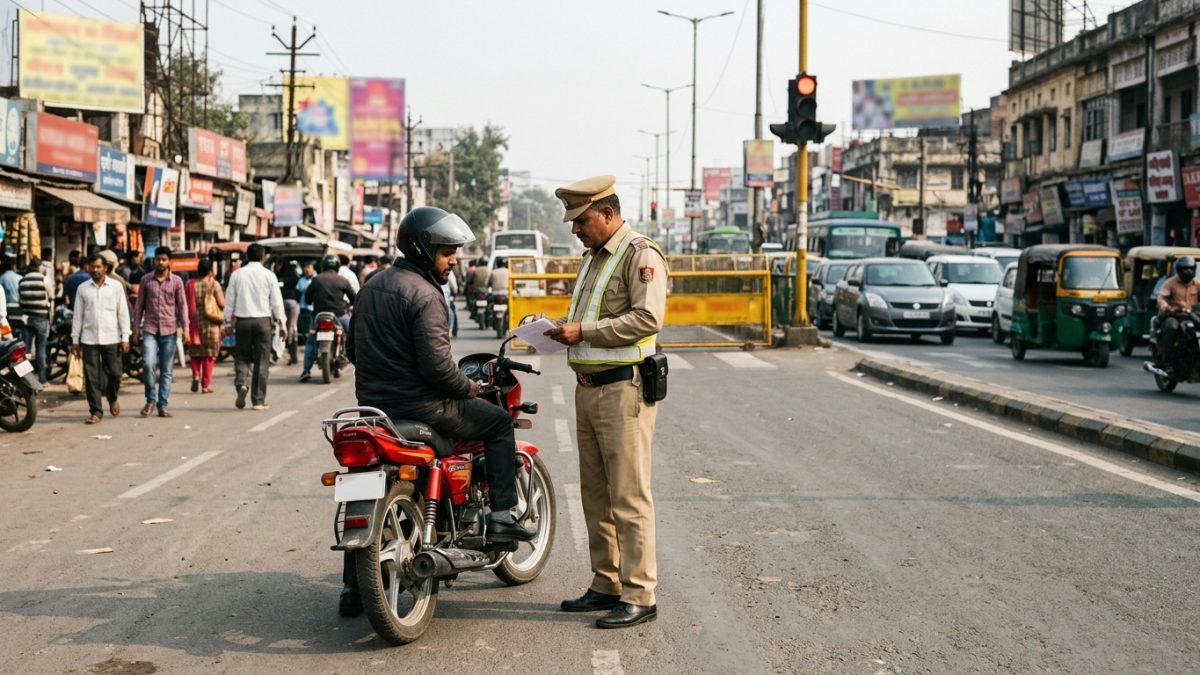
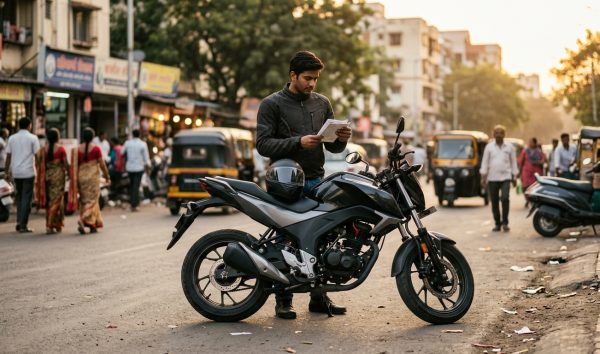
Two-wheeler riders account for the highest volume of automated roadside challans across Indian metros. The rto fine list for two wheeler riders focuses heavily on protective equipment, carrying limits, and vehicle alterations that undermine road safety.
Under Section 194D, not wearing a protective headgear conforming to Bureau of Indian Standards (BIS) specifications attracts a ₹1,000 fine. Crucially, this section mandates a three-month disqualification of the rider's licence. The helmet rule applies equally to pillion passengers aged above four years, meaning an unhelmeted couple can receive two independent penalties totalling ₹2,000.
Carrying more than one pillion rider constitutes triple riding under Section 194C, which draws an immediate ₹1,000 fine. Licensing authorities also retain the statutory power to suspend the rider's driving credentials for three months for repeated overloading of two-wheelers.
Car Traffic Violation Fine List and Speeding Rules
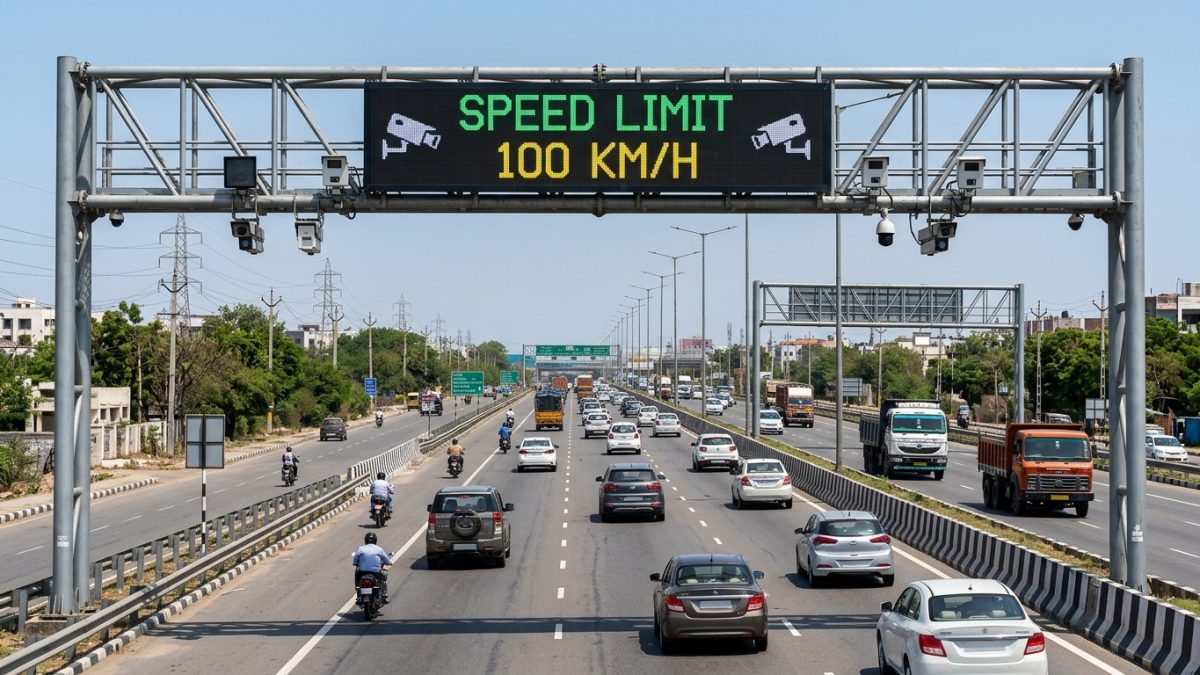
The car traffic violation fine list addresses moving offences that jeopardize surrounding vehicular traffic. Failing to fasten seat belts under Section 194B triggers a ₹1,000 fine for the driver and front occupants, and enforcement cameras now flag unbelted rear passengers in designated highway zones.
Over-speeding penalties under Section 183 are structured by vehicle classification. Light motor vehicles (LMVs), such as private sedans, hatchbacks, and SUVs, incur fines between ₹1,000 and ₹2,000 for exceeding posted corridor speed limits. Repeat speeding offences escalate to ₹2,000 alongside licence impoundment.
Jumping a traffic signal or crossing stop lines when the light turns red is prosecuted under Section 184 as dangerous driving. First-time offenders face fines ranging between ₹1,000 and ₹5,000 depending on state notifications, while a second breach within three years escalates up to ₹10,000.
Important Rule: Refusing to yield the right of way to an approaching emergency vehicle, such as an ambulance or fire service engine, carries a mandatory ₹10,000 fine and up to six months imprisonment under Section 194E.
Documentation Penalties: Driving Licence, RC, PUC, and Insurance
Operating a vehicle on public roads without active statutory documents creates severe legal and financial vulnerabilities. Motorists must maintain valid registration, active insurance, clear emission reports, and personal driving authorization at all times.
Fine for Driving Without Licence
The statutory fine for driving without licence credentials is fixed at ₹5,000 under Section 181 of the Act. The court may also order community service or up to three months of imprisonment for repeat offenders. You can verify your licence validity and endorsement classes via our driving licence verification service before driving.
Vehicle owners who willingly lend their car or two-wheeler to an unlicensed relative, friend, or employee are separately penalised ₹5,000 under Section 180. If an owner permits an underage minor to drive, Section 199A imposes a ₹25,000 fine on the guardian or owner, three years imprisonment, cancellation of the vehicle's registration certificate for one full year, and a bar preventing the minor from obtaining a driving licence until age 25.
PUC, Insurance, and Registration Fines
Driving without a valid Third-Party Liability motor insurance policy violates Section 146, triggering a ₹2,000 penalty and potential three-month jail term under Section 196. A second insurance offence doubles the cash penalty to ₹4,000.
Operating a vehicle that breaches environmental pollution control standards or lacks an active Pollution Under Control (PUC) certificate attracts a fine of up to ₹10,000 under Section 190(2). Vehicle owners should check their complete vehicle registration details regularly to ensure insurance and emission renewals are updated in the central Vahan database.
Legal Tip: Under Rule 139 of the Central Motor Vehicles Rules, presenting digital copies of your DL, RC, insurance, and PUC through DigiLocker or mParivahan has full legal standing, and physical copies cannot be insisted upon by inspecting officers.
Electronic E-Challan Detection and Virtual Courts
Section 136A of the Motor Vehicles Act mandates electronic monitoring on national highways, urban expressways, and high-density traffic intersections across India. Modern enforcement relies on autonomous digital surveillance rather than manual traffic police stops.
- Red Light Violation Detection (RLVD): High-definition sensors synchronize with traffic signals to record vehicles crossing the stop line on red lights.
- Automatic Number Plate Recognition (ANPR): Overhead optical cameras scan passing number plates and instantly cross-reference Vahan databases for expired fitness, insurance, or PUC.
- Laser Speed Traps & Gantries: Doppler radar units compute instantaneous vehicular velocity and log photographic evidence of over-speeding automatically.
- Automated SMS Dispatch: Once verified by the transport control room, digital challan notices are sent directly to the owner's registered mobile number.
Offences identified as dangerous driving (Section 184) or non-compoundable matters are often redirected to Virtual Courts. Virtual Courts streamline adjudication without physical courtroom visits, allowing drivers to view evidence, plead guilty, and pay the magistrate's determined penalty electronically.
Step-by-Step Guide: How to Check and Pay Traffic Challan Online
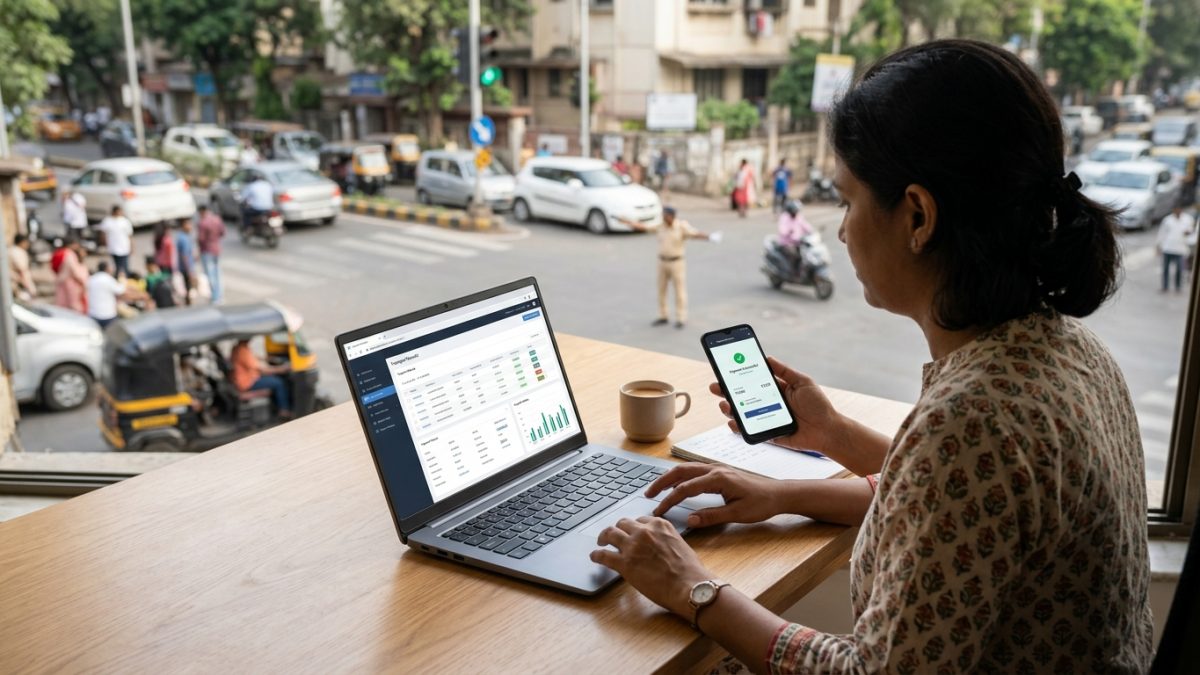
Vehicle owners can verify, track, and settle pending automated fines through the official central Parivahan infrastructure. To clear outstanding penalties smoothly, follow this step-by-step payment procedure:
- Open the official portal: Access the Ministry's e-challan window at echallan.parivahan.gov.in on your browser.
- Select check status: Click on the 'Check Challan Status' tab on the homepage service menu.
- Enter your credentials: Search by Challan Number, Vehicle Number (with the last five digits of Chassis or Engine number), or Driving Licence Number.
- Review the violations: Solve the captcha and click 'Get Detail' to see the full list of pending penalties, dates, violation images, and specific legal sections.
- Initiate payment: Click the 'Pay Now' button next to the compoundable violation you wish to clear.
- Verify mobile number: Enter the One-Time Password (OTP) dispatched to your registered mobile phone.
- Complete the transaction: Select your preferred payment gateway and pay via UPI, Net Banking, Debit Card, or Credit Card.
- Save your receipt: Download the transaction confirmation and digital payment receipt for future reference and clearance records.
If your challan displays the status 'Sent to Virtual Court', visit the official e-Courts portal at vcourts.gov.in. Select your state, locate your summons by challan number, accept the proposed judicial fine, and settle the payment through the designated judicial gateway.
State-Wise Compounding Rules and Discrepancies
While the Motor Vehicles Act sets uniform national maximums and statutory base fines, Section 200 grants state governments the discretion to notify customized compounding fees for specific offences. This enables regional authorities to moderate fine amounts based on socioeconomic conditions.
| State / Jurisdiction | Helmet Violation Compounding | Seatbelt Compounding Rate | General Enforcement Model |
|---|
| Delhi (NCT) | ₹1,000 + 3-month DL suspension | ₹1,000 | Direct central MVA rules & Virtual Courts |
| Maharashtra | ₹1,000 + 3-month DL suspension | ₹1,000 | Central MVA rules with state e-challan portals |
| Gujarat | ₹500 (1st offence) | ₹500 | Reduced compounding schedule under Sec 200 |
| Karnataka | ₹500 to ₹1,000 (selective) | ₹500 to ₹1,000 | Mixed compounding model with state notifications |
| Tamil Nadu | ₹1,000 | ₹1,000 | Dedicated state traffic enforcement gateways |
States such as Gujarat and Uttarakhand introduced revised compoundable schedules that lowered penalties for minor paperwork failures and first-time safety equipment lapses. In contrast, metropolitan regions like Delhi and Mumbai enforce strict central slabs for speeding, dangerous driving, and emissions non-compliance without leniency.
Resolving Disputed, Pending, or Incorrect E-Challans
With electronic monitoring expanding rapidly, vehicle owners occasionally face administrative errors, such as wrongful challans caused by dirty plates, cloned registrations, or payment system timeouts. Knowing how to resolve these issues prevents unwarranted legal summonses.
Handling Erroneous and Cloned Plate Challans
If you receive a violation ticket for a location your vehicle never visited, an ANPR camera may have misread a stylized character or captured a cloned plate. Navigate to the 'Grievance System' tab on the central e-challan portal, input the ticket reference number, and attach your RC along with photographic proof of your vehicle showing physical discrepancies.
Resolving Failed Gateway Payments
When money is deducted from your bank account but the portal continues to reflect the challan as 'Pending', do not make a second payment immediately. The system requires 48 to 72 hours to reconcile banking batches. Use the 'Check Pending Transaction' feature on the portal to confirm receipt generation or await an automatic source refund.
Settling Old Challans via Lok Adalat
Unpaid compoundable notices that remain unaddressed past their dispute window (generally 60 to 90 days) may be escalated to regional courts. Motorists can learn how to clear multiple accumulated fines at discounted settlement figures by consulting our detailed Lok Adalat challan settlement guide, which details slot token booking and hearing procedures.
To avoid sudden escalation to physical court benches, perform a routine online check for traffic challans every few months. Keeping your mobile details updated on the Vahan citizen portal ensures you receive instant violation alerts.
Conclusion
Staying informed about the official traffic fine list ensures you remain legally compliant and avoid costly roadside penalties under the Motor Vehicles Act. Adhering to safety standards like wearing BIS-certified helmets, fastening seat belts, and keeping your insurance and PUC current guarantees safer journeys for everyone on Indian roads.
If you suspect an active violation notice against your two-wheeler or car, take a moment to check your vehicle challan status immediately and settle your dues online before automated notices escalate to Virtual Court summonses.