Key Takeaways
- Lok Adalat allows vehicle owners to settle compoundable traffic notices amicably at zero court fees.
- Discounts typically range between 40% and 75%, with magistrates holding discretionary power for 100% waivers.
- Non-compoundable violations like drunk driving (Section 185) and minor driving cannot be settled here.
- Booking an online token slip before the Lok Adalat session is compulsory in jurisdictions like Delhi.
- Once disposed, settlements are final, legally binding civil decrees with no option for further appeal.
A lok adalat challan settlement allows motorists in India to clear pending traffic fines at substantial discounts or complete waivers under the Legal Services Authorities Act, 1987. By attending these statutory conciliation hearings, vehicle owners resolve compoundable e-challans quickly without paying standard court fees. Before booking, check your pending traffic fines on VahanX Challan Search to confirm your total challan count.
As automated enforcement cameras (ITMS, speed cams, and RLVD) generate high volumes of digital tickets across Indian cities, pending notices can quickly pile up. The National Legal Services Authority (NALSA), in coordination with State Legal Services Authorities, conducts quarterly Lok Adalats to clear this judicial backlog. Understanding how to navigate the digital token system and judicial benches ensures you resolve your notices legally and affordably.
| Feature | Lok Adalat Process Details |
|---|
| Governing Law | Legal Services Authorities Act, 1987 (Sections 19 & 20) |
| Filing / Court Fee | Nil (Zero Court Fees) |
| Typical Fine Waiver | 40% to 75% (Up to 100% waiver for camera errors) |
| Token Requirement | Mandatory online pre-booking in Delhi; walk-in/portal in other states |
| Settlement Legality | Final and binding civil decree (No appeal lies under Section 21) |
| Parivahan Clearance Time | 3 to 15 working days after court disposal |
What Is a Lok Adalat Challan Settlement?
A lok adalat traffic challan settlement is an alternative dispute resolution mechanism recognized by Indian law to resolve compoundable traffic disputes mutually. Established under the Legal Services Authorities Act, 1987, Lok Adalats function under the guidance of NALSA alongside State and District Legal Services Authorities (SLSA and DLSA). They exercise jurisdiction over cases pending before regular courts as well as disputes at the pre-litigation stage.
Instead of undergoing formal criminal trials under the Motor Vehicles Act, 1988, vehicle owners appear before a conciliation bench consisting of a judicial officer and an advocate or social worker. The bench examines the circumstances of each violation and proposes a mutually agreeable, reduced fine amount. Because the focus is on compromise rather than punishment, the process eliminates procedural delays and court fees entirely.
Lok Adalat operates strictly on mutual consent: if you do not agree with the reduced penalty proposed by the bench, the matter returns to the regular court summons track.
National Lok Adalat Traffic Challan Dates for 2026
NALSA schedules four nationwide Lok Adalats every calendar year, typically falling on the second Saturday of March, May, September, and December. Keeping track of these national lok adalat traffic challan dates is essential, as state authorities open their token portals only a few days prior to each scheduled date.
For the calendar year 2026, the approved schedule established by NALSA outlines four dedicated sessions across all participating states and union territories:
- 1st National Lok Adalat: 14 March 2026
- 2nd National Lok Adalat: 9 May 2026
- 3rd National Lok Adalat: 12 September 2026 (Note: In New Delhi, the DSLSA rescheduled this drive to 25 October 2026 due to regional administrative scheduling and summit security measures).
- 4th National Lok Adalat: 12 December 2026
While the calendar is set nationally, local administrative adjustments occur occasionally. Always verify regional notifications released by your respective High Court or State Legal Services Authority before planning your visit.
Compoundable Traffic Offences Eligible for Lok Adalat Settlement
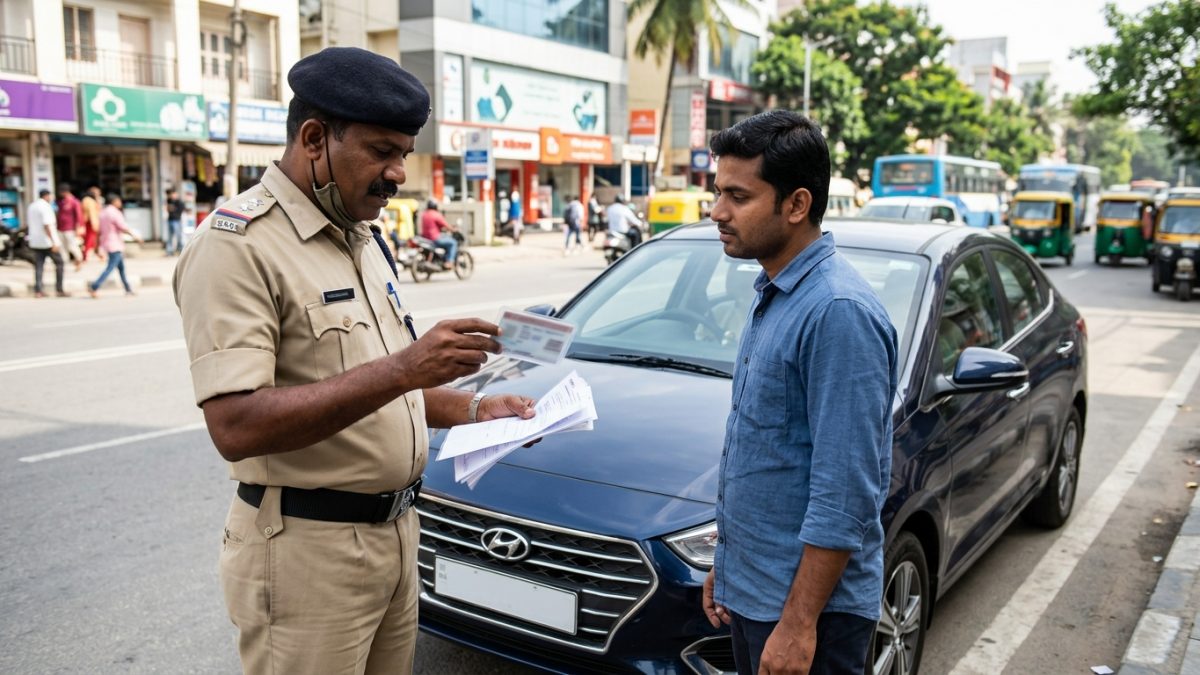
Not every traffic ticket can be taken to a conciliation bench. The law strictly distinguishes between compoundable traffic offences lok adalat benches can settle and non-compoundable criminal offences that require mandatory court trials.
Eligible Compoundable Offences
Compoundable offences are statutory infractions under the Motor Vehicles Act, 1988 (as amended) that allow monetary settlement in place of prosecution. These include:
- Helmet Violations (Section 129 / 194D): Riding two-wheelers without a helmet or carrying a pillion passenger without headgear.
- Seatbelt Infractions (Section 138(3) / 194B): Driving a four-wheeler or occupying front passenger seats without fastening seatbelts.
- Red Light Jumping (Section 119 / 177 / 184): Disobeying automated traffic light signals where no reckless collision occurred.
- Minor Speeding (Section 112 / 183): Exceeding prescribed road speed limits where the violation did not cause injury or vehicular damage.
- Improper or Unauthorized Parking (Section 122 / 127 / 177): Leaving vehicles in no-parking zones or obstructing vehicular movement.
- Defective Number Plates (Section 50 / 177): Displaying non-standard registration marks or fancy lettering.
- Document Non-Carriage (Sections 146, 190(2), 196): Missing active insurance copies or valid PUC certificates at the time of check, provided active, compliant documents are presented to the bench.
- Minor Route or Permit Breaches: Compoundable commercial permit rules under Section 192A subject to judicial examination.
Strictly Ineligible Non-Compoundable Offences
Serious violations threatening public safety cannot be compromised in a Lok Adalat under any circumstances. If your vehicle has challans under the following heads, you cannot clear them through conciliation:
- Drunk Driving (Section 185): Operating a vehicle under the influence of alcohol or narcotics requires regular trial proceedings, possible imprisonment, and driving licence suspension.
- Dangerous Driving Causing Harm (Section 184 / IPC / BNS): Aggravated rash driving resulting in bodily injury or death.
- Hit-and-Run Incidents (Section 161): Fleeing accident scenes or abandoning vehicles following physical collisions.
- Underage Driving (Section 199A): Allowing minors to drive, which imposes statutory criminal liability on vehicle owners or parents.
- Impounded or Stolen Vehicles: Any vehicle seized under criminal procedure codes or tied to ongoing investigations.
- Illegal Racing (Section 189): Engaging in unsanctioned speed trials on public streets.
- Active Contested Criminal Trials: Violations where formal charges have already been framed in regular courts.
| Offence Type | MVA Section | Compoundable in Lok Adalat? | Settlement Notes |
|---|
| Without Helmet / Pillion | Sec 129 / 194D | Yes | Eligible for fine reduction |
| Without Seatbelt | Sec 138(3) / 194B | Yes | Eligible for fine reduction |
| Minor Speed Violation | Sec 112 / 183 | Yes | Non-dangerous speeding notices |
| Expired PUC / Insurance | Sec 190(2) / 196 | Yes | Must produce valid updated policy/PUC |
| Drunk Driving (DUI) | Sec 185 | No | Mandatory criminal trial & licence action |
| Minor / Underage Driving | Sec 199A | No | Parent/owner held criminally liable |
Delhi Traffic Police Lok Adalat Token Booking: Step-by-Step Guide

In metropolitan regions such as the National Capital Territory of Delhi, the token booking process is entirely digitised to handle massive citizen turnout. If you want to know how to clear pending challan in lok adalat courts in Delhi, securing a digital appointment is mandatory.
- Monitor the Announcement: Check portal alerts approximately 5 to 7 days prior to the Lok Adalat session. Booking usually activates online at 10:00 AM on the designated launch date.
- Access the Official Token Website: Open the official portal at traffic.delhipolice.gov.in/notice/lokadalat on your desktop or mobile browser.
- Enter Vehicle Particulars: Provide your complete vehicle registration number, alongside the last 5 digits of your Chassis Number or Engine Number to authenticate ownership. You can easily cross-verify these numbers on your Registration Certificate using VahanX RC Search before starting.
- Select Eligible Notices: Review your pending tickets categorized under notice challans and court/virtual court challans. Check the tick-boxes next to the compoundable notices you wish to settle.
- Select District Court and Time Slot: Pick your nearest or preferred district court complex (such as Tis Hazari, Patiala House, Saket, Karkardooma, Rohini, Dwarka, or Rouse Avenue) and choose an available morning or afternoon time window.
- Complete the Lok Adalat Challan Slip Download: Submit the booking to generate your appointment slip. Carry out the lok adalat challan slip download immediately, printing hard copies of the master token and each individual challan slip showing the bench and courtroom details.
Delhi Traffic Police strictly enforces vehicle quotas (usually capped between 2 and 5 challans per vehicle token). Because server quotas exhaust within minutes, log in right at 10:00 AM.
How Other Indian States Handle Lok Adalat Challans
While Delhi operates a centralised digital slot booking portal, other states employ distinct regional frameworks to process pending notices during National Lok Adalats.
Uttar Pradesh (UPSLSA)
In Uttar Pradesh, motorists access pre-litigation portals managed by the UP State Legal Services Authority or approach DLSA helpdesks set up directly inside district court complexes. Motorists extract their pending notices from the central Parivahan e-Challan Portal and submit them to court counters for batch settlement allocations.
Maharashtra (MSLSA)
Benches established under the Maharashtra State Legal Services Authority operate across district and taluka court levels. Vehicle owners in cities like Mumbai and Pune frequently utilise hybrid modes, pre-registering via local traffic police communication links or walking in with Parivahan challan printouts directly to Lok Adalat traffic desks.
Karnataka (KSLSA)
Karnataka has frequently introduced special state government rebate schemes alongside standard quarterly Lok Adalat sessions. In past drives, the state authorized direct 50% flat discount windows implemented inside the online traffic police payment gateways, allowing motorists to clear notices without physical court appearances.
Telangana and Tamil Nadu
City police commissionerates in Hyderabad and Chennai collaborate with State Legal Services Authorities to establish special pre-litigation counters. Motorists often receive SMS intimations containing direct appointment links or can walk into designated court benches on the date of the session.
| State / Territory | Primary Token / Access Mode | Official Authority / Portal |
|---|
| Delhi (NCT) | Mandatory Online Token Booking | traffic.delhipolice.gov.in/notice/lokadalat |
| Uttar Pradesh | DLSA District Counters & UPSLSA Portal | uttarpradesh.nalsa.gov.in |
| Maharashtra | Hybrid / Walk-in at Taluk & District Benches | legalservices.maharashtra.gov.in |
| Karnataka | Quarterly Benches & Special 50% Online Drives | Bangalore Traffic Police / KSLSA |
Traffic Challan Discount in Lok Adalat: How Waivers Are Decided
Securing a traffic challan discount in lok adalat does not involve fixed commercial pricing. Instead, the final settlement figure depends entirely on judicial discretion, statutory limits, and mutual compromise.
The presiding magistrate reviews the overall violation history, financial hardship, and the nature of the infractions before suggesting a reduced figure. Typical settlement patterns observed across benches include:
- Technical Camera Violations: Minor infractions captured by speed cameras or automated stop-line sensors often receive waivers ranging between 40% and 75% of the printed statutory penalty.
- Consolidated Lump-Sum Reductions: Motorists who have accumulated dozens of minor camera notices over several years frequently receive lump-sum token settlement amounts from the bench.
- 100% Fine Waivers: In instances where automated cameras captured faulty imagery, issued duplicate notices for the same event, or where extreme personal hardship is proven, magistrates hold statutory authority to waive the penalty completely with a warning.
- Rectified Documentation: If you were fined for driving without a valid PUC or insurance certificate but present active certificates proving compliance, judges routinely drop the primary financial penalty to a nominal sum.
Documents to Carry to the Lok Adalat Court
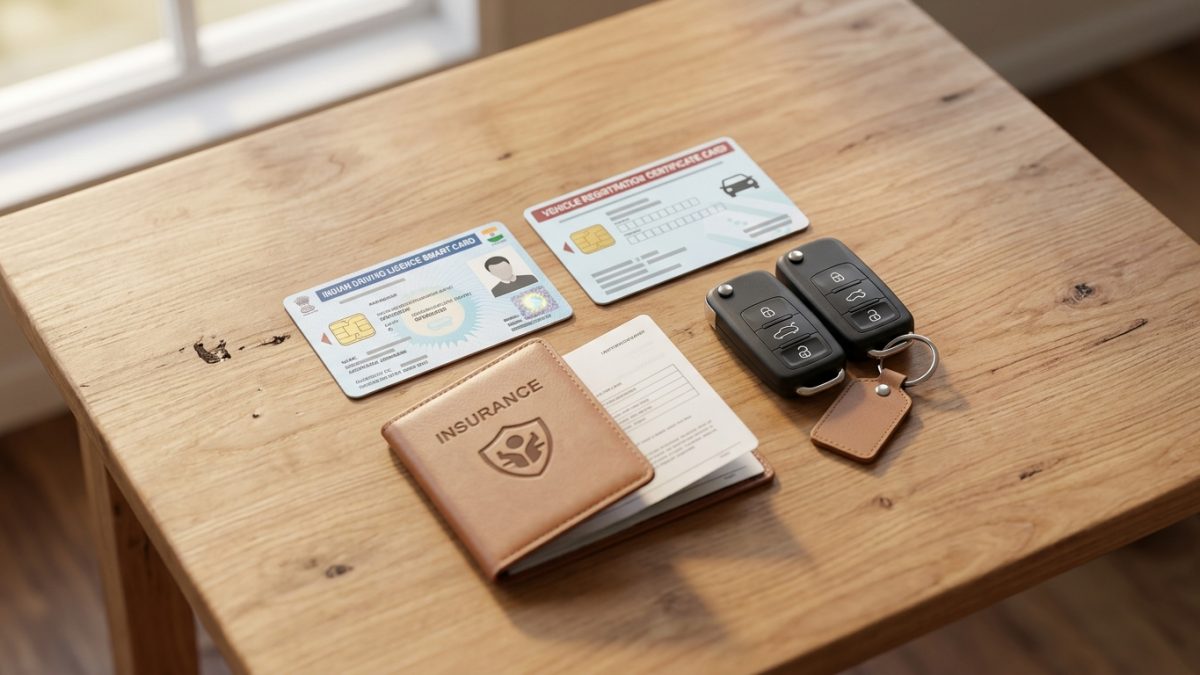
Arriving at the court complex unprepared can lead to your token being cancelled. Ensure you organize both physical originals and duplicate photocopies of all relevant vehicle and personal records.
- Printed Lok Adalat Token & Challan Slips: Hard copies of the digital token summary and each individual challan slip downloaded from the booking portal.
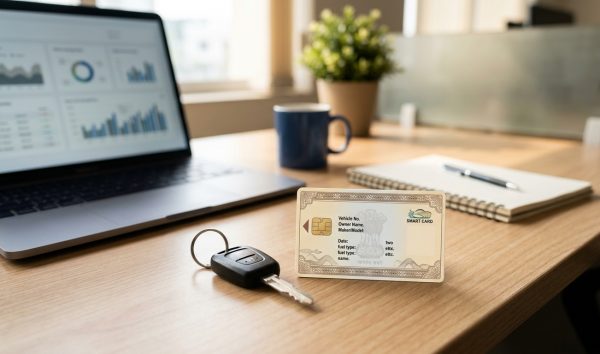
- Vehicle Registration Certificate (RC): Original RC card or smart card alongside clear photocopies.
- Driver’s Licence (DL): Valid original driving licence of the vehicle owner or driver. Verify your licence status via VahanX DL Search if your physical card is pending renewal.
- Proof of Identity: Government-issued photo identification such as an Aadhaar Card, Voter Identity Card, or Passport.
- Current Compliance Certificates: Active motor vehicle insurance policy copy and a valid Pollution Under Control (PUC) certificate.
- Letter of Authorization: If the registered vehicle owner cannot attend in person, an authorized representative must carry a signed authorization letter, identity proof, and the vehicle documents. Advocates appearing on behalf of owners must submit a valid, signed Vakalatnama.
What Happens Inside the Courtroom on Settlement Day?
Understanding court protocol removes anxiety and ensures your visit to the Lok Adalat proceeds smoothly without confusion.
- Arrival and Security Screening: Arrive at the allotted court complex at least 30 minutes before your designated time window. Proceed through court security holding your printed token slips.
- Locate Your Bench: Find the courtroom or outdoor bench number printed on your token slip. Court helpdesks and DLSA volunteers are stationed near entrances to guide visitors.
- Cause List Verification: Present your token to the court clerk or steno inside the courtroom. They will verify your name and token number against the master cause list.
- Conciliation Hearing: When your matter is called, step before the bench. The judicial officer evaluates your challan list. If your violations involve missing paperwork, present your updated PUC and insurance policies immediately.
- Offer and Mutual Agreement: The judge suggests a reduced settlement figure. If you find the amount acceptable, give your verbal consent to conclude the conciliation.
- Fee Payment: Make the payment at the designated court cash desk or electronic counter inside the room. The staff will apply an official court seal and mark your slip as disposed.
Retain your physical court receipts indefinitely. Always keep a stamped copy inside your vehicle glove compartment to show traffic personnel during roadside inspections until online records clear.
Paying Settled Fines: Court Counters vs Vcourts Lok Adalat Challan Payment
A common misconception among motorists is that one can negotiate a reduced fine at Lok Adalat and pay it later at leisure on standard consumer web portals. Clarifying the difference between court counters and online systems prevents unnecessary legal complications.
In-Court Payment on Settlement Day
The settlement agreed upon before a Lok Adalat bench must be cleared on the day of the hearing itself. Modern metropolitan court complexes feature dedicated cash desks alongside electronic Point of Sale (PoS) machines and dynamic UPI QR codes managed by court treasury officials. Once paid, court staff stamp the physical token slip with an official disposal seal.
Vcourts Lok Adalat Challan Payment and Parivahan Systems
Standard payment gateways on the central Parivahan portal do not permit post-dated discounted payments. Once a magistrate reduces your fine, standard portals cannot process the revised figure unless an official virtual e-Lok Adalat program was explicitly utilized. For routine virtual court cases, you can learn how to pay e-challan online through regular channels if you do not wish to wait for a Lok Adalat bench.
Timeline for Online Status Updates
After your challan is disposed of at the Lok Adalat, the court administration transmits disposal records to the National Informatics Centre (NIC). The status changes to “Disposed by Lok Adalat” or “Paid in Court” on the Parivahan database. This electronic update typically reflects across portals within 3 to 15 working days.
Common Pitfalls and How to Avoid Them
Many vehicle owners fail to resolve their traffic penalties due to basic procedural mistakes during the Lok Adalat cycle. Avoid these recurring issues:
- Missing the Booking Window: In high-density regions, token quotas fill within 15 to 30 minutes. Keep your vehicle registration and chassis numbers typed out in advance so you can paste them instantly when slots open.
- Failing to Print Individual Slips: Printing only the summary token page is a common mistake. Benches require individual challan slips for every violation you plan to settle. If a challan slip is missing, the judge will not review that ticket.
- Skipping the Hearing After Booking: If you secure a token but fail to appear in court, your challans are not dismissed. Instead, they revert to regular traffic court tracks, potentially leading to court summons.
- Bringing Ineligible Challans: Do not book tokens for serious offences like drink driving or hazardous driving. Benches immediately dismiss non-compoundable matters from the Lok Adalat docket.
Before heading to your assigned court complex, verify all active notices on VahanX Challan Search to ensure no unaccounted tickets are left out of your settlement petition.
Conclusion
Settling your pending lok adalat challan is one of the most effective, legally sound ways to clear accumulated traffic fines in India without paying unnecessary regular court fees. By understanding eligible compoundable violations, booking your token promptly when the window opens, and bringing all necessary vehicle ownership documents to the conciliation bench, you can secure significant waivers of up to 75%.
Remember that a Lok Adalat settlement order carries the legal weight of a civil court decree, providing permanent relief from past notices once paid. Check your current vehicle compliance and pending tickets today on VahanX Challan Search to prepare your documents before the upcoming National Lok Adalat session.