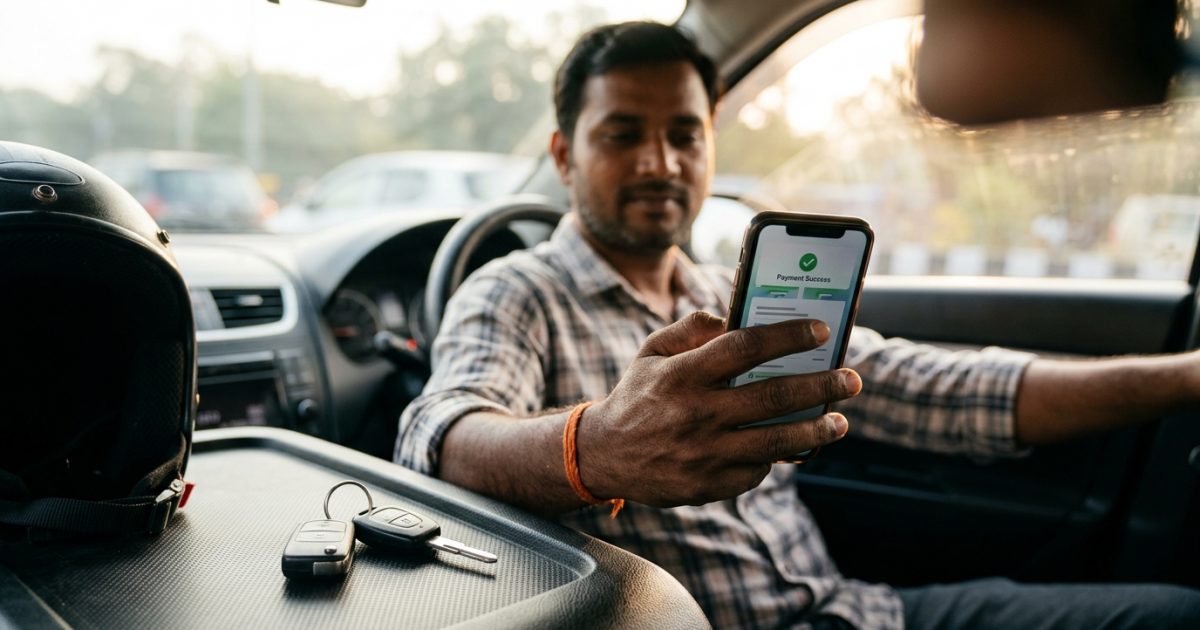
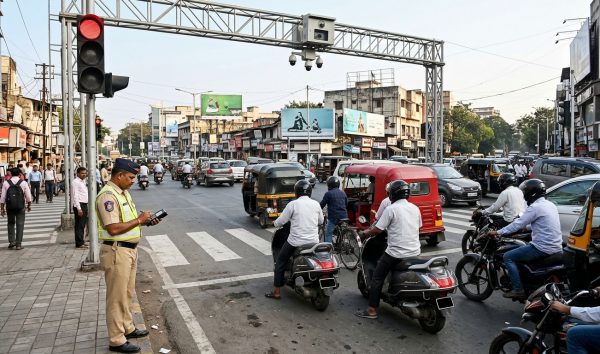
An e challan payment must typically be settled within 60 days of issuance to prevent formal prosecution. If left unpaid, the violation transitions to a Virtual Court. Following the latest Supreme Court ruling, defaulting vehicles face immediate roadside impoundment, complete blacklisting on the VAHAN database, and a freeze on RC renewal, PUC certificates, and ownership transfers.
Before planning any vehicle transaction or renewal, motorists can check challan status by vehicle number on VahanX to identify pending notices, review camera evidence, and settle fines before enforcement teams intervene.
Key Takeaways
- Drivers generally have 60 days to settle traffic notices before case transfer to court.
- The Supreme Court has directed state authorities to impound vehicles with pending e-challans.
- Overdue fines freeze RC renewal, ownership transfer, duplicate RC, and PUC certificate issuance.
- Traffic challans never expire automatically; they remain active until paid or adjudicated.
- Motorists can dispute misread plates or clerical errors online through the Parivahan grievance system.
| Metric / Provision | Statutory Specification | Enforcement Authority |
|---|
| Standard Payment Window | 60 calendar days from issuance | State Traffic Police / MoRTH |
| Proposed CMVR Timeline | 45 calendar days to pay or dispute | MoRTH Draft Rule |
| Nationwide Outstanding Fines | Over ₹23,019 crore (47% default rate) | Supreme Court Bench Findings |
| Primary Penalty for Default | Roadside vehicle impoundment | State Police & Transport Enforcement |
| Database Status | Flagged as "Not to be transacted" | VAHAN-4 / SARATHI Portals |
Supreme Court Order on Traffic Challan: Enforcement & Impoundment
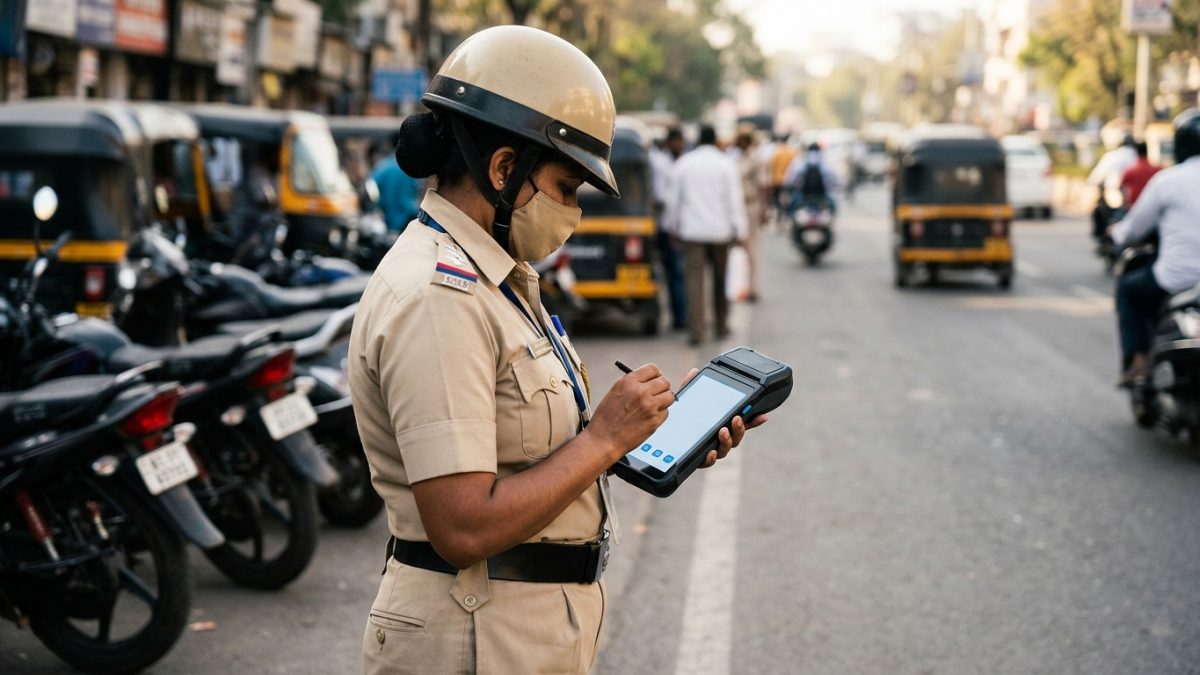
In a landmark judgment delivered under S. Rajaseekaran v. Union of India on September 28, 2026, an apex court Bench comprising Justice J.B. Pardiwala and Justice K.V. Viswanathan issued nationwide directives to crack down on non-compliance. The court reviewed alarming enforcement data revealing that roughly 47% of all e-challans issued across India remain completely unpaid.
Out of ₹49,194.05 crore in total fines levied through automated surveillance and field checks, transport authorities had collected only ₹26,175.05 crore. This left an astonishing balance exceeding ₹23,019 crore unrecovered, prompting the judiciary to eliminate procedural leniency.
Warning: Under the Supreme Court's September 2026 ruling, state enforcement teams are legally empowered to impound any vehicle found operating with unpaid traffic challans during random checks.
The apex court established strict, binding mandates to recover unpaid dues and enforce road safety laws across all Indian states and Union Territories:
- Random roadside impoundment: Transport departments and traffic police must conduct unscheduled roadside checks and immediately impound offending vehicles operating with pending, unhonoured notices.
- Freezing of citizen-facing RTO services: Offending vehicles are barred from Registration Certificate (RC) renewals, duplicate RC issuance, and residential address updates.
- Denial of PUC and fitness certificates: Testing stations and RTO inspectors are strictly prohibited from issuing Pollution Under Control (PUC) or commercial fitness certificates until every pending fine is cleared.
- VAHAN blacklisting and sale freeze: Defaulting vehicles are marked as blocked on the central database, preventing the issuance of a No Objection Certificate (NOC) and ownership transfers.
- Driving licence suspension: Transport authorities must halt DL renewals and initiate formal licence suspension proceedings for chronic and repeat offenders.
- Digital platform integration: Direct technical synchronization has been ordered between VAHAN-4, SARATHI, e-Challan, e-DAR (Detailed Accident Report), iRAD, and municipal traffic command hubs.
Legal Note: While the Supreme Court Bench verbally explored attaching traffic penalties to residential electricity bills during hearings, this proposal was not included in the formal binding directions.
E Challan Payment Rules and Statutory Deadlines
Understanding the standard e challan payment rules protects vehicle owners from unexpected police action, administrative blocks, and court summons. The standard voluntary payment window on the Parivahan portal is 60 calendar days from the moment the electronic notice is generated.
MoRTH has actively advanced draft amendments to the Central Motor Vehicles Rules establishing a stricter 45-day statutory window. Under this pending framework, failure to pay or dispute a notice within 45 days results in an automated freeze on Vahan and Sarathi services.
State-Level Variations for Payment Deadlines
While the central portal operates under broad timelines, state jurisdictions enforce distinct operational protocols:
- Delhi: Due to heavy automation and high-density surveillance, unpaid camera notices are often pushed into Virtual Courts between 30 and 45 days after generation.
- Gujarat: Automates challan routing, generally allowing up to 90 days before moving outstanding camera notices to digital magistrate dockets.
- Odisha: Transport authorities can prepare internal prosecution reports (PR) under Rule 139 within 15 to 30 days if motorists remain unresponsive.
Important Rule: A traffic challan in India never lapses, cancels out, or expires due to the passage of time. It stays linked to the chassis, engine, and RC number until legally resolved.
What Happens If E Challan Is Not Paid on Time?
Ignoring electronic traffic fines triggers automated administrative sanctions before legal prosecution begins. When a fine exceeds the traffic challan payment deadline, the NIC system alters the status on the central registry from "Pending" to "Pending at V-Court" or "Sent to Court."
Understanding what happens if e challan is not paid helps drivers avoid severe financial and legal liabilities. The table below outlines how penalties escalate after the initial deadline expires.
| Challan Stage | Elapsed Time | Direct Legal Consequence | Administrative Action |
|---|
| Voluntary Window | Day 1 to Day 60 | Simple compounding fee at base statutory rate | All portal services and RTO transactions open |
| Overdue Stage | Day 61 onwards | Compounding option on central eChallan portal closes | Vehicle blacklisted; PUC, fitness, and RC transfer blocked |
| Virtual Court | Variable (30–90 days) | Case referred to digital magistrate for summary trial | Vehicle flagged for immediate roadside impoundment |
| Physical Summons | Post Virtual Court | Magistrate issues personal appearance summons | Risk of bailable warrants and physical court trial |
Can Police Seize Vehicle for Unpaid Challan?
Yes. Following the September 2026 Supreme Court directives, enforcement squads are mandated to seize and impound vehicles with pending notices during field verification. When ANPR cameras or handheld PoS terminals detect unpaid dues, officers can initiate impoundment under Section 206 of the Motor Vehicles Act.
Furthermore, vehicle owners cannot sell their cars or two-wheelers while dues remain unpaid. Checking current vehicle registration details via the RC search tool will display active encumbrances or blacklist notices attached to the chassis number.
How to Pay Pending E Challan Online
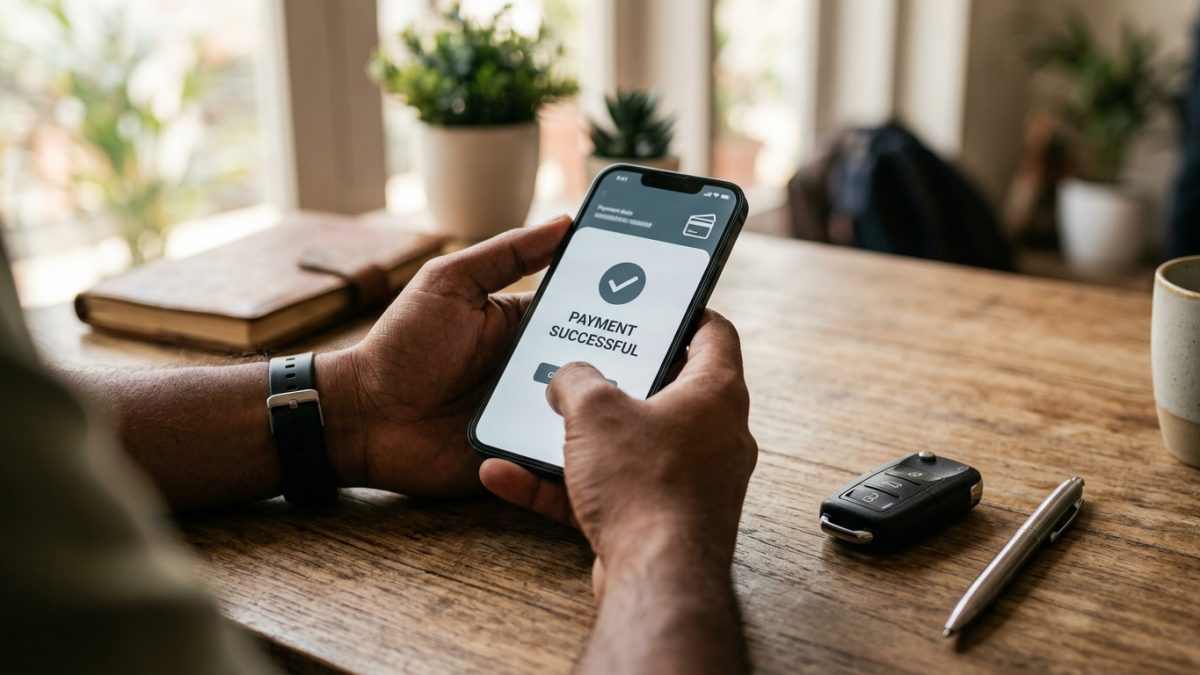
Settling an electronic fine before legal referral saves time and prevents judicial compounding. Motorists can pay pending e challan online via the central portal by following these steps:
- Access the payment portal: Navigate to the official Parivahan payment gateway at echallan.parivahan.gov.in.
- Enter vehicle credentials: Search using your Challan Number, Vehicle Number (with the last 5 digits of the Chassis or Engine number), or Driving Licence Number.
- Verify offense records: Enter the verification Captcha and click "Get Detail" to inspect recorded violations, photographic camera evidence, dates, and locations.
- Authenticate your mobile number: Click "Pay Now", select your preferred payment mode, and enter the one-time password (OTP) sent to your registered mobile device.
- Execute payment: Complete the transaction using UPI, Debit Card, Credit Card, or Internet Banking through the integrated payment gateway.
- Download transaction receipt: Store the generated digital payment receipt and transaction reference number. Database records update within minutes to 24 hours.
Tip: If you are cited in states like Maharashtra (mahatrafficechallan.gov.in) or Delhi (traffic.delhipolice.gov.in), you can also settle fines via dedicated state police web portals or handheld PoS machines operated by on-duty traffic officers.
How to Dispute a Wrongly Issued E-Challan
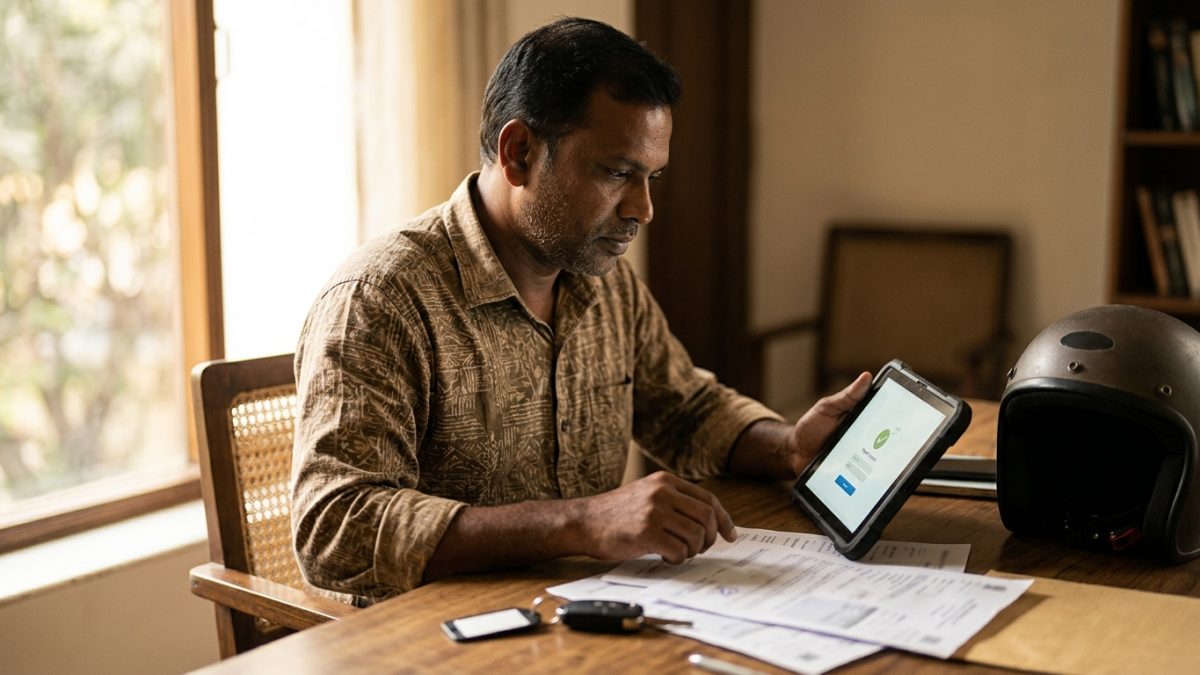
Automated enforcement setups occasionally misread license plates or tag innocent motorists incorrectly. Before an incorrect fine is transferred to court, motorists can contest it through official administrative channels.
Legitimate Grounds for Challenging a Challan
- ANPR camera character misread: The optical software misinterprets a dirty or stylised alphanumeric digit on another vehicle's number plate.
- Vehicle make or model discrepancy: The offense photograph shows a commercial truck or two-wheeler, but the ticket is assigned to your private car.
- Cloned or fraudulent number plates: Another vehicle is illegally displaying your registration mark on public roads.
- Verifiable geographic alibi: Your vehicle was parked, undergoing workshop repairs, or located in an entirely different city at the recorded timestamp.
- Prior transfer of ownership: The violation occurred after you legally transferred the vehicle and secured Form 29/30 delivery receipts.
Step-by-Step Grievance Procedure
- Open the grievance system: Visit the MoRTH Grievance Ticket portal at echallan.parivahan.gov.in/gsticket/.
- Submit identity credentials: Fill in your name, contact phone number, and the specific contested Challan Number.
- Select the dispute category: Pick the accurate issue from the drop-down menu, such as "Wrong Vehicle Number" or "Incorrect Offence".
- Upload verifiable proof: Attach clear evidence in PDF or JPEG format, including your RC copy, FASTag toll receipts, GPS vehicle tracking records, or vehicle sale receipts.
- Track grievance resolution: Save your unique Ticket ID. Traffic enforcement teams typically review submitted documentation within 15 working days.
Court Escalation: Virtual Courts and Regular Summons
When an electronic fine remains unpaid past the statutory compounding limit and is not contested, transport departments transfer the file to the judicial branch. The transition follows structured legal phases:
| Judicial Forum | Case Type | Appearance Mode | Settlement Method |
|---|
| Virtual Traffic Court | Petty summary traffic cases | Online at vcourts.gov.in | Digital payment of fine or formal contest request |
| Regular Traffic Court | Contested or ignored summons | Physical appearance in court | Formal trial before a Judicial Magistrate |
| National Lok Adalat | Compounded pending disputes | Physical or hybrid camp | Amicable reduction and settlement of fines |
Stage 1: Proceedings in Virtual Traffic Courts
Operated under the Supreme Court's e-Courts Project, Virtual Courts (vcourts.gov.in) manage uncontested petty offenses digitally. Motorists can review detailed guidance in our virtual court challan check guide to understand how digital cases are processed.
Upon logging into the portal, the motorist chooses between two legal pathways:
- Plead Guilty: The user accepts the digital magistrate's fine, settles it online through net banking or UPI, and the case terminates immediately while lifting the VAHAN blacklist status.
- Request to Contest: The user rejects summary adjudication. The system transfers the matter to the physical jurisdictional court of the Chief Judicial Magistrate (CJM) or Metropolitan Magistrate.
Stage 2: Regular Court Summons and Warrants
If a driver ignores the Virtual Court notification, the case transfers to regular physical court dockets. The magistrate issues formal summons requiring personal appearance. Continuous refusal to appear or respond can lead the court to issue bailable warrants under the Code of Criminal Procedure alongside impounding orders.
Stage 3: Amicable Settlement at National Lok Adalat
National Lok Adalats are held quarterly across Indian states by the National Legal Services Authority (NALSA). Motorists dealing with multiple accumulated notices can reserve appointment tokens on state legal authority web pages. Lok Adalat benches routinely compound accumulated petty traffic penalties, allowing drivers to settle overdue fines at reduced sums and clear database blacklists.
How to Protect Yourself Before Vehicle Deals and Renewals
Given the Supreme Court's strict curbs on vehicle services, unmonitored traffic fines pose substantial risks when buying, selling, or driving vehicles. A single pending fine can derail an urgent RC fitness renewal or stop an ownership transfer midway.
Before signing vehicle purchase agreements or visiting testing stations, verify whether your vehicle is clear of active notices by running an instant e-challan status search. Clearing outstanding penalties preserves your vehicle's clean legal record, ensures smooth ownership transfers, and prevents roadside impoundments.
Conclusion
Staying compliant with every e challan payment deadline is no longer just about avoiding a nominal late surcharge. Under current Supreme Court directives, unsettled traffic fines directly trigger vehicle impoundment, frozen RTO transactions, blocked PUC certificates, and suspended driving licences.
Check your vehicle registration on official enforcement portals periodically to identify automated camera citations early. Clear pending notices or submit online dispute tickets promptly to keep your vehicle fully road-legal and avoid court summons.