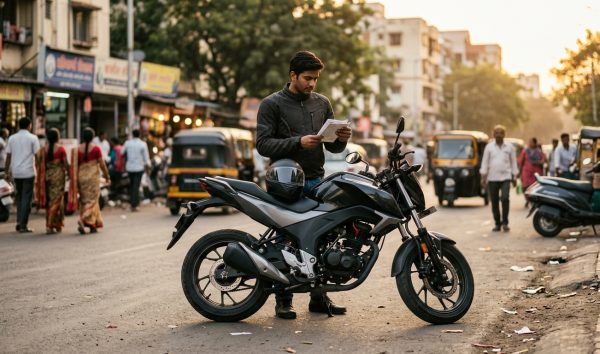
Completing your car insurance renewal on time guarantees uninterrupted financial protection and keeps your vehicle road-legal across India. If your policy has already expired, you can still renew it online through digital self-inspection or instant third-party renewal while safeguarding your accumulated No Claim Bonus (NCB) within the regulatory 90-day grace period. Check your current policy validity instantly using the VahanX RC search tool before you begin.
Key Takeaways
- In India, third-party liability insurance is mandatory under Section 146 of the Motor Vehicles Act.
- Driving an uninsured car invites a ₹2,000 fine for a first offence and ₹4,000 for repeat violations.
- There is zero grace period for accident coverage once your policy passes midnight of its expiry date.
- You have a 90-day grace period to retain your accumulated No Claim Bonus (up to 50% discount).
- Expired comprehensive policies can be renewed online via smartphone-based digital self-inspection.
| Feature | Active Policy Renewal | Lapsed Policy (Under 90 Days) | Lapsed Policy (Over 90 Days) |
|---|
| Coverage Status | Continuous / Unbroken | Zero cover during lapse gap | Zero cover during lapse gap |
| Vehicle Inspection | Not required | Digital self-inspection (app/link) | Physical or self-inspection |
| NCB Retention | Moves to next slab (up to 50%) | Retained at current earned slab | Reset permanently to 0% |
| Issuance Timeline | Instant (immediate PDF) | 1 to 4 hours post-inspection | 1 to 2 business days |
| KYC Requirement | Mandatory CKYC / Aadhaar OTP | Mandatory CKYC / Aadhaar OTP | Mandatory CKYC / Aadhaar OTP |
Legal Mandates and Penalties for Expired Car Insurance
Under Section 146 of the Motor Vehicles Act, 1988, every motor vehicle operated on public roads in India must hold at least a valid Third-Party (TP) liability insurance policy. Failing to maintain continuous coverage leaves you exposed to immediate prosecution under Section 196 of the Motor Vehicles (Amendment) Act, 2019.
The statutory penalty for driving an uninsured vehicle is ₹2,000 and/or imprisonment up to 3 months for the first offence. Subsequent offences carry an enhanced monetary fine of ₹4,000 and/or imprisonment up to 3 months. Confirm regulatory updates directly on the Ministry of Road Transport and Highways (MoRTH) portal.
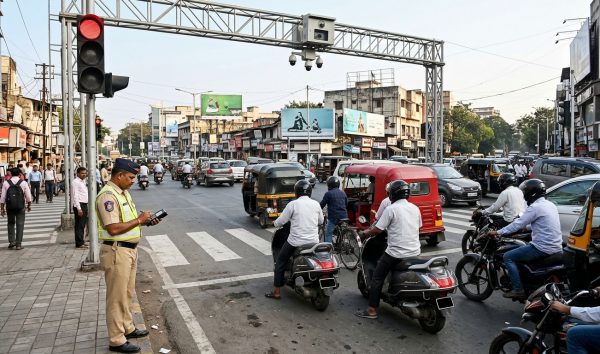
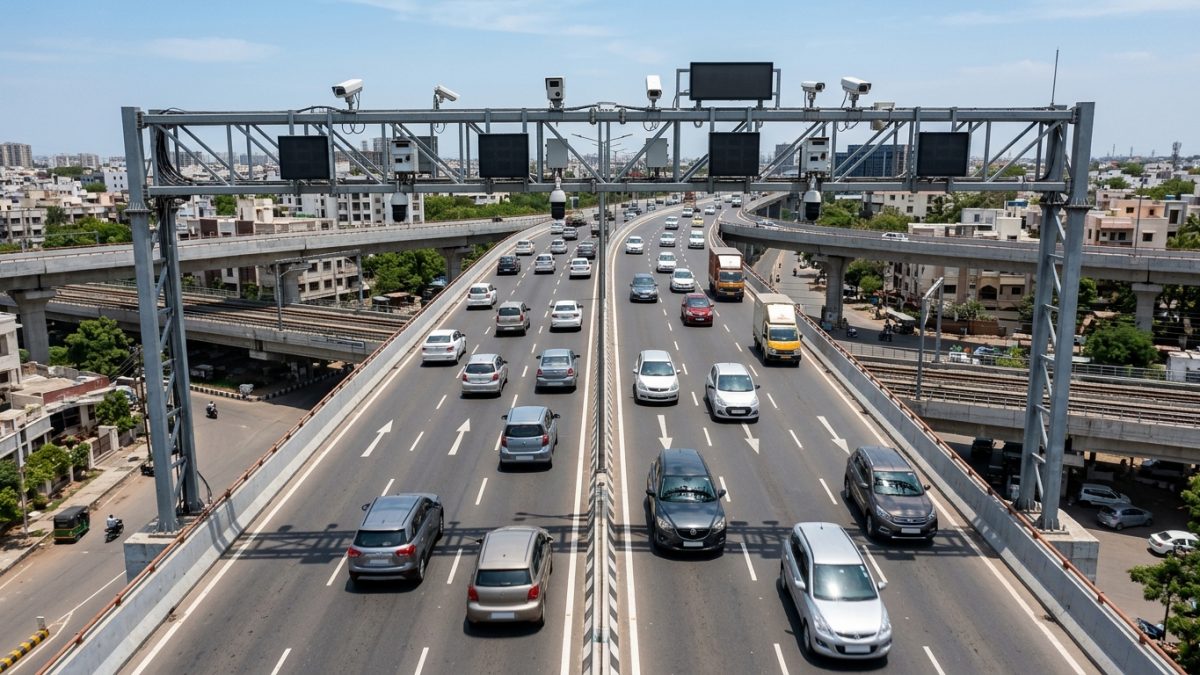
Traffic enforcement across major urban centres like Delhi-NCR, Mumbai, Bengaluru, and Chennai is heavily automated. High-definition Automatic Number Plate Recognition (ANPR) cameras automatically cross-reference vehicle plates with the central VAHAN repository, generating instant electronic challans without requiring manual police checkpoints. You can review any pending traffic violations using the VahanX challan search or the official e-Challan portal.
Warning: In India, there is no financial grace period for coverage. If your car is involved in an accident even one hour after your policy expires, you are personally liable for all third-party damages and repair bills.
In accordance with guidelines issued by the Insurance Regulatory and Development Authority of India (IRDAI), mandatory Know-Your-Customer (KYC) compliance became effective on January 1, 2023. Whether purchasing a new cover or processing a standard car insurance renewal online, you must complete digital CKYC verification before any insurer can issue your policy schedule.
How to Retain NCB in Car Insurance Renewal (The 90-Day Rule)
Understanding how to retain NCB in car insurance renewal is vital for saving money. The No Claim Bonus is an earned discount applied exclusively to the Own Damage (OD) premium component for every claim-free policy period. NCB belongs to the vehicle owner, not the car itself.
| Consecutive Claim-Free Years | Earned NCB Discount | Applied To |
|---|
| 1 Year | 20% | Own Damage (OD) Premium Only |
| 2 Years | 25% | Own Damage (OD) Premium Only |
| 3 Years | 35% | Own Damage (OD) Premium Only |
| 4 Years | 45% | Own Damage (OD) Premium Only |
| 5 Years (Maximum Cap) | 50% | Own Damage (OD) Premium Only |
IRDAI mandates a strict 90-day grace period for car insurance renewal regarding your bonus. If your comprehensive policy lapses, you retain your accumulated bonus provided you complete the renewal within 90 days of the expiration date.
Strict Deadline: On Day 91 following policy expiry, your accrued NCB drops permanently to 0%. Under IRDAI underwriting guidelines, no insurer possesses the legal discretion to restore an expired bonus once the 90-day boundary is crossed.
If you plan to sell your existing car, you do not have to forfeit your accumulated discount. You can request an NCB Reserving Letter (Retention Certificate) from your insurer. This certificate remains valid for 3 years, allowing you to transfer your accrued bonus (up to 50%) directly to a replacement vehicle.
For added security, vehicle owners who have accrued 25% or higher NCB can purchase an optional NCB Protect add-on cover during renewal. This add-on safeguards your accumulated discount slab even if you register a single repair claim during the policy term.
Step-by-Step Guide: Car Insurance Renewal Online
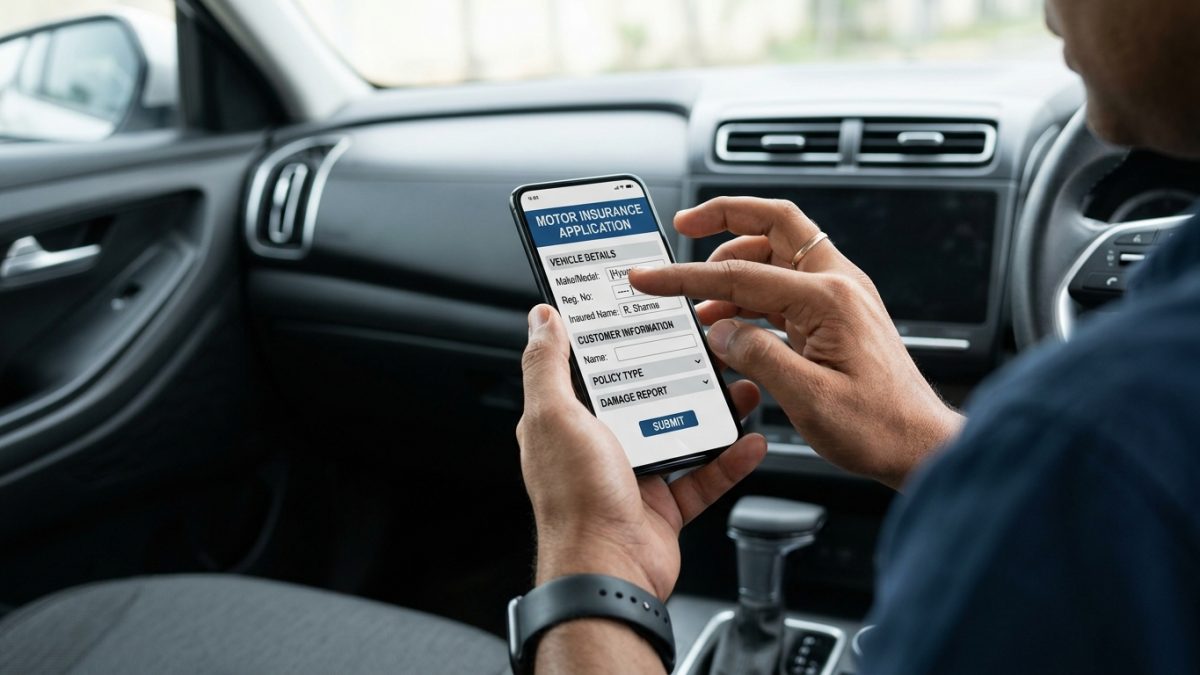
The exact renewal workflow depends on whether your policy is currently active or has already elapsed into a break-in period.
Renewing an Active Policy Before Expiry
- Access the renewal portal: Visit your insurer's official website or a licensed web aggregator.
- Input vehicle credentials: Enter your car registration number to pull variant, engine, and existing Insured Declared Value (IDV) data automatically.
- Declare claim history: Confirm whether any claim was filed during the expiring term. If zero claims were made, the system automatically advances your NCB to the next tier.
- Configure add-ons: Select optional protections such as Zero Depreciation, Engine Protector, Consumables Cover, or Return to Invoice.
- Authenticate CKYC: Complete identity validation by submitting your PAN or entering your Aadhaar number to verify via OTP, as mandated by IRDAI KYC guidelines.
- Execute payment: Pay the premium through UPI, net banking, or debit/credit cards to receive the digital policy PDF immediately.
Lapsed Car Insurance Policy Renewal After Expiry Date
If your policy has lapsed, follow this break-in renewal procedure:
- Initiate break-in renewal: Enter your registration number and previous policy details on the renewal portal. The system will flag the policy as "Lapsed / Break-In".
- Select your coverage type: Choose between Third-Party liability cover or Comprehensive (OD + TP) cover.
- Receive self-inspection link: For comprehensive plans, the insurer sends an automated inspection link via SMS or WhatsApp to your registered mobile number.
- Perform digital self-inspection: Open the link in broad daylight to record a continuous 360-degree video and capture required vehicle photographs with GPS location enabled.
- Wait for underwriting clearance: The insurer's AI validation engine or surveyor evaluates the upload within 1 to 4 hours to document pre-existing dents, scratches, or glass damage.
- Review policy quote: Accept the underwriting assessment, which notes pre-existing damages as claim exclusions.
- Complete KYC verification: Enter your PAN or Aadhaar details to pass the CKYC portal check.
- Make payment and bind coverage: Complete the transaction online. Your policy is issued with an inward waiting period (usually active at midnight or within 24 to 48 hours) to prevent retroactive claim fraud.
Car Insurance Renewal Without Inspection vs Self-Inspection Rules
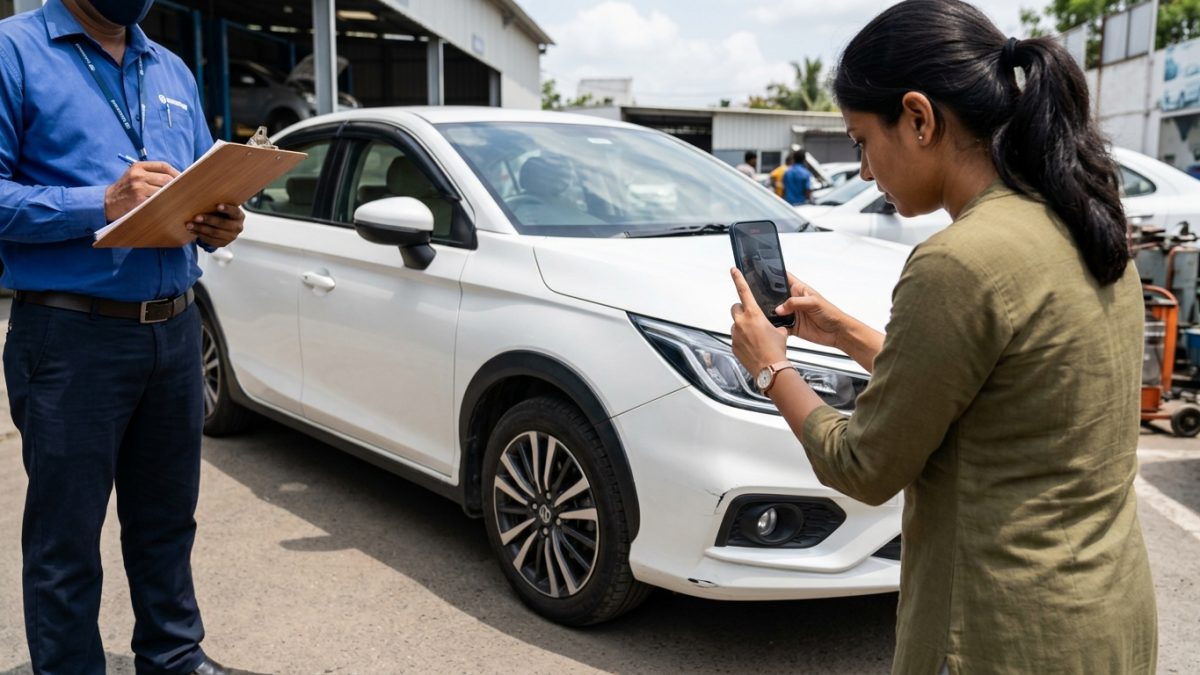
Car owners often wonder if a car insurance renewal without inspection is possible when a policy has already lapsed. The answer depends strictly on the coverage type and the duration of the break-in.
Inspection is never required when renewing a standalone Third-Party liability policy, regardless of how long the coverage has lapsed. Because third-party coverage protects other road users rather than the vehicle itself, insurers issue it instantly without examining physical vehicle condition.
For comprehensive policies, however, self-inspection via smartphone has replaced physical surveyor visits in most renewal scenarios occurring within 90 days of expiry.
| Inspection Method | Applicability | Turnaround Time | Surveyor Charge |
|---|
| No Inspection | Active policies OR Third-Party only renewals | Instant | ₹0 |
| Digital Self-Inspection | Break-in Comprehensive renewals (1 to 90 days) | 1 to 4 hours | ₹0 |
| Physical Surveyor Inspection | Lapses exceeding 90–180 days or high-value cars | 24 to 48 hours | ₹0 to ₹350 |
To pass digital self-inspection smoothly, record your video in clear daylight away from basement parking shadows. Ensure the vehicle's stamped chassis number (VIN plate), odometer reading, windshield, and all four exterior corners are clearly visible without camera blur.
Inspection Tip: Clean your car and wipe dirt off the VIN plate before recording the self-inspection video. Blurry numbers, dark basement footage, or missing corners will trigger an automatic rejection from the underwriting team.
Physical inspections by an empanelled surveyor are reserved for luxury sports vehicles, break-ins lasting longer than 90 to 180 days, or submissions where digital video footage reveals unverified structural damage.
Documents and Data Needed to Renew Car Insurance Policy Online in India
Having your paperwork organized ensures your online car insurance renewal takes less than ten minutes. Prepare the following details beforehand:
- Vehicle Registration Certificate (RC): Vehicle registration number, engine number, chassis number/VIN, registration date, and registered RTO location.
- Expiring / Previous Policy Details: Previous insurer name, previous policy number, expiry date, and accrued NCB percentage.
- Mandatory KYC Information: PAN card number or Aadhaar card linked to an active mobile number for OTP verification.
- Vehicle Inspection Media (For Lapsed Comprehensive Plans): Clear exterior vehicle photographs, an odometer snapshot, a clear photo of the VIN plate stamping, and a short 360-degree daylight video walk-around.
Common Pitfalls During Car Insurance Renewal and How to Avoid Them
Many drivers make avoidable mistakes during renewal that cause denied claims, cancelled policies, or unnecessary expenses.
The most common error is assuming an insurance grace period protects your car after policy expiration. While IRDAI offers a 90-day concession to retain your NCB, your vehicle has zero legal or financial coverage the second your policy expires. Driving during this window exposes you to severe legal fines and unlimited third-party liabilities.
Another dangerous mistake is misrepresenting your claim history. If you made a claim during the previous policy tenure, you cannot claim an NCB discount during renewal. If an insurer detects a wrongful NCB claim during underwriting or post-accident investigation, they can legally repudiate your claim due to material misrepresentation.
Finally, remember that the central VAHAN registry does not update instantly. When you complete your car insurance renewal online, the insurer transmits policy information to the Insurance Information Bureau (IIB), which updates the national Parivahan system within 24 to 72 hours. Always keep a digital copy or paper printout of your newly issued policy in the car to prevent automated or manual e-challans while the central database syncs.
You can verify whether your updated insurance status has synchronized with national databases by running your registration number through the VahanX vehicle verification service or reviewing your digital certificates on Parivahan Sewa.
Conclusion
Timely car insurance renewal protects you from heavy traffic fines, legal liability, and expensive out-of-pocket accident repairs. If your policy has already expired, take immediate advantage of digital self-inspection and ensure you renew before the 90-day mark to preserve your hard-earned No Claim Bonus.
Keep your vehicle legal and secure on the road. Verify your policy expiry date and RTO registration status today using the free VahanX portal.