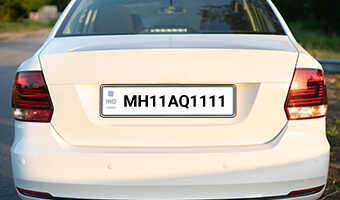
A puc certificate check allows you to verify your vehicle's emission compliance status online within seconds using the official Parivahan portal. Simply enter your vehicle registration number and the last five digits of your chassis number to view active validity dates, test readings, and download a digital copy.
Driving with an expired pollution certificate can result in a hefty court challan or automatic detection at fuel pumps and toll plazas. You can quickly run an active RC and PUC validity check to ensure your motor vehicle documents remain completely up to date before heading out on Indian roads.
Key Takeaways
- Every motor vehicle in India requires an updated PUCC after one year from initial registration.
- BS4 and BS6 passenger vehicles receive a 1-year renewal validity under current CMVR rules.
- Operating without a valid PUC attracts a statutory fine of up to ₹10,000 under Section 190(2).
- Soft copies displayed via DigiLocker or mParivahan hold identical legal validity to paper certificates.
- Pure electric vehicles (BEVs) are entirely exempt from emissions testing and PUC certificates.
| Metric / Feature | Official Rule / Requirement |
|---|
| Applicable Legal Rule | Rule 115(7) Central Motor Vehicles Rules (CMVR), 1989 |
| Statutory Penal Section | Section 190(2) of the Motor Vehicles Act, 1988 |
| Official PUCC Portal | puc.parivahan.gov.in |
| Required Vehicle Details | Registration Number & Last 5 digits of Chassis/Engine Number |
| Statutory Fine (First Offence) | Up to ₹10,000 and/or 3-month licence disqualification |
| Standard Testing Fee | ₹60 to ₹150 (depending on vehicle type and fuel) |
How to Complete a PUC Certificate Check Online
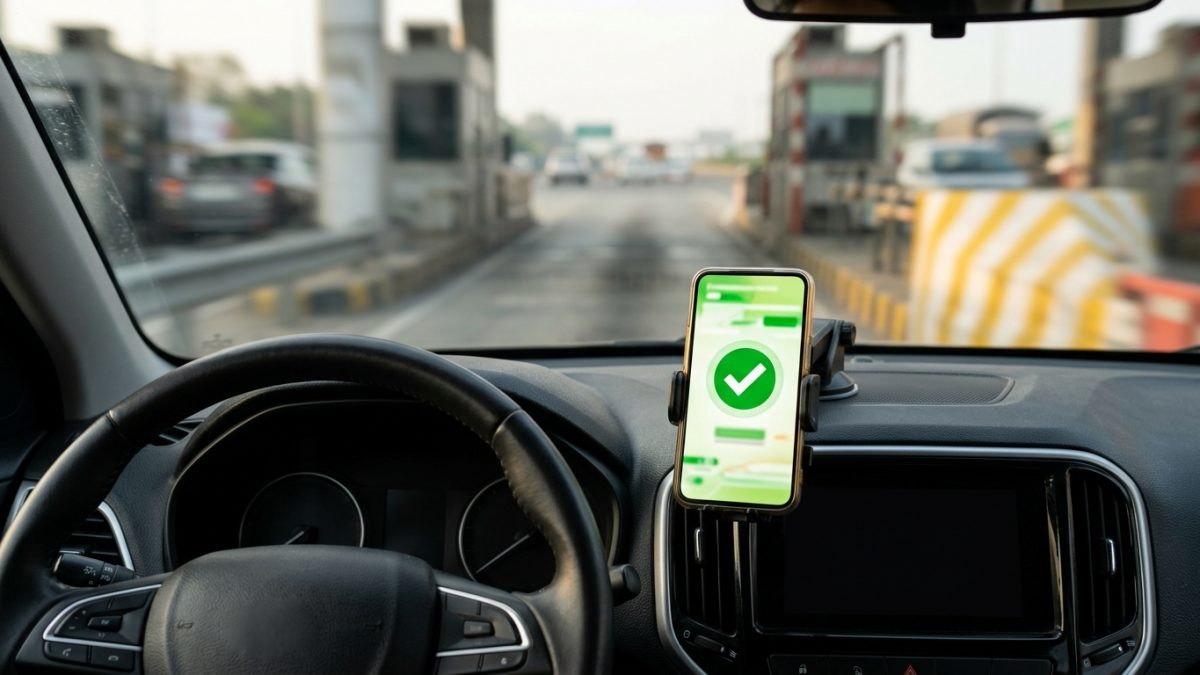
The Ministry of Road Transport and Highways (MoRTH) connects authorized emission centers directly to the central Vahan registry. This direct integration enables any motorist to perform a puc certificate check online without visiting an RTO office or digging through physical paperwork.
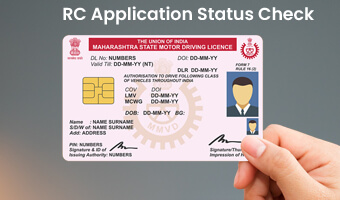
To verify your status, make sure you have your vehicle Registration Certificate (RC) nearby. You will need the exact alphanumeric registration mark alongside the final five digits of the chassis or engine number.
Step-by-Step Parivahan PUC Status Check
- Open the portal: Navigate directly to the official Parivahan PUCC Portal.
- Navigate to certificate search: Click on the PUC Certificate tab located on the primary navigation menu to access the verification screen at PUC Search.
- Enter registration details: Type your complete vehicle registration number into the first input field without spaces or hyphens.
- Provide chassis digits: Enter the last 5 digits of your vehicle chassis number or engine number as listed on your RC card.
- Solve captcha and submit: Type the security verification code displayed on your screen and click on PUC Details.
- Review the records: The dashboard will reveal your PUCC certificate number, emission testing center code, vehicle emission readings, issue date, and exact expiration date.
Always double-check that the chassis digits entered on the portal match your physical vehicle registration smart card to avoid record mismatch errors.
PUC Certificate Validity: BS4 vs BS6 Vehicles
Understanding emission standards helps you plan timely renewals and avoid surprise electronic penalties. Every brand-new vehicle sold in India—whether petrol, diesel, or gas-powered—comes with an automatic one-year validity from its first date of registration. External tailpipe testing is never required during this initial 12-month period.
Upon renewal, validity terms differ based on your vehicle's emission class under the Central Motor Vehicles Rules (CMVR). As of September 2026, operational guidelines across state RTO networks enforce the following standard durations:
| Vehicle Category & Fuel Standard | Current Legal Validity | PUCC 3.0 Draft Proposed Validity |
|---|
| New Vehicles (All Fuel Types) | 1 Year (12 months) | 1 Year (12 months) |
| BS6 Private Vehicles (≤6 years old) | 1 Year (12 months) | 3 Years (36 months) |
| BS6 Private Vehicles (6–10 years old) | 1 Year (12 months) | 1 Year (12 months) |
| BS6 Private Vehicles (>10 years old) | 1 Year (12 months) | 6 Months |
| BS4 Private Vehicles | 1 Year (12 months) | 6 Months |
| Pre-BS4 (BS1, BS2, BS3) & 2-Stroke | 6 Months | 3 Months |
| Electric Vehicles (BEVs) | Exempt (Zero tailpipe emission) | Exempt (Zero tailpipe emission) |
While MoRTH published a draft notification regarding the PUCC 3.0 graded validity framework, the standard 1-year validity remains the enforceable rule for all BS4 and BS6 passenger vehicles until gazetted nationwide. Keep in mind that older pre-BS4 models and two-stroke engines must be tested every six months.
Pure Battery Electric Vehicles (BEVs) emit zero tailpipe emissions and are 100% exempt from emissions testing and PUCC generation across India.
PUC Certificate Download Parivahan: How to Get a Digital Soft Copy
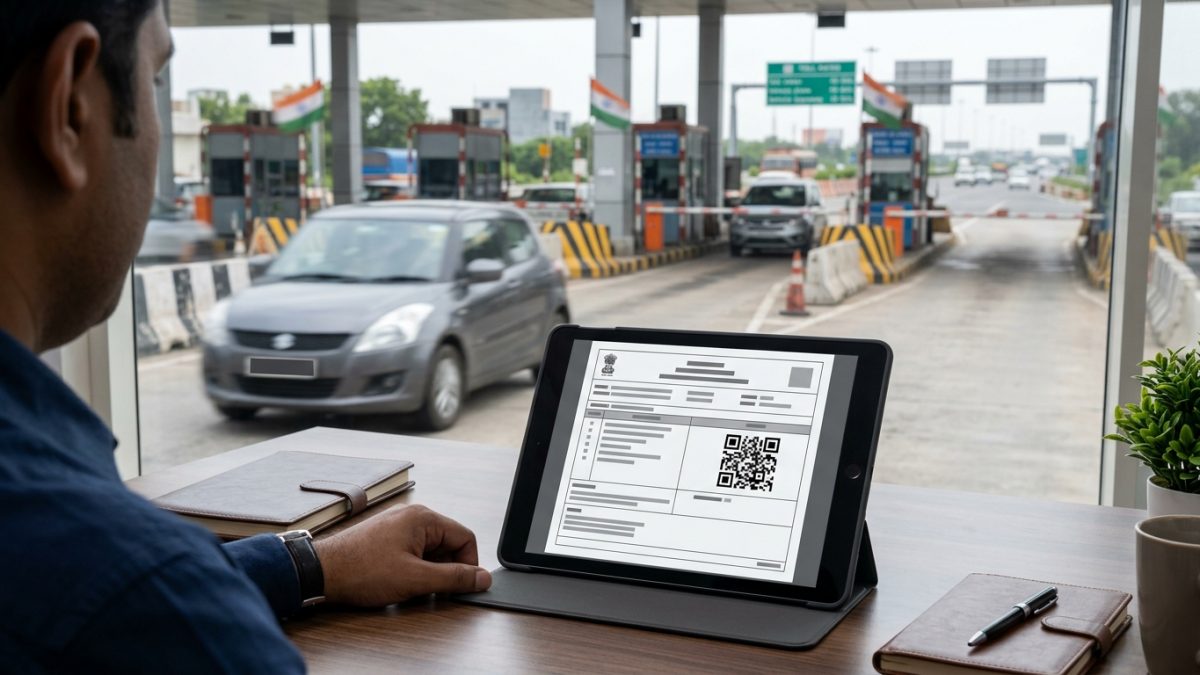
Motorists frequently ask how to check puc validity online and store a verifiable document on their smartphones. Carrying physical printouts is no longer mandatory if you possess a government-recognized digital copy.
The centralized Parivahan database allows you to generate and download an authentic Form 59 document anytime. This standardized digital certificate features an official QR code that traffic personnel can scan directly during physical inspections.
Steps to Download Vehicle Pollution Certificate Online
- Visit the official print module: Go to the Parivahan PUCC Certificate Search page.
- Input vehicle credentials: Provide your vehicle registration number and the last 5 characters of your chassis number.
- Authenticate the request: Enter the dynamic security captcha and click on the PUC Details button.
- Generate document: Once your active test data appears, scroll to the bottom of the record and click on Print.
- Save digital PDF: Choose 'Save as PDF' on your browser or device dialog to preserve the official Form 59 soft copy.
This downloadable certificate contains crucial data including Carbon Monoxide (CO), Hydrocarbons (HC), and Smoke Density/Opacity test readings captured by the gas analyzer. It also reflects the unique RTO audit code belonging to the issuing testing station.
Pollution Fine Under Motor Vehicle Act
Operating a vehicle on public roads with an expired or missing PUCC attracts severe legal consequences. The Motor Vehicles Amendment Act significantly strengthened penal provisions to enforce strict vehicular emission standards nationwide.
Under Section 190(2) of the Motor Vehicles Act, 1988, driving without a valid pollution certificate is a major statutory violation. Law enforcement agencies treat emission non-compliance with zero tolerance.
| Offence Frequency | Monetary Fine | Imprisonment / Additional Legal Action |
|---|
| First Offence | Up to ₹10,000 | Up to 3 months imprisonment and mandatory 3-month DL disqualification |
| Second & Subsequent Offence | Up to ₹10,000 | Up to 6 months imprisonment |
While state transport departments hold compounding discretion to settle certain matters on the spot, automated systems routinely charge the statutory ₹10,000 penalty. If you have unaddressed violations, check for pending records using an online traffic challan search to prevent court escalations.
Beyond manual roadside checks, automated enforcement systems now enforce pollution compliance proactively:
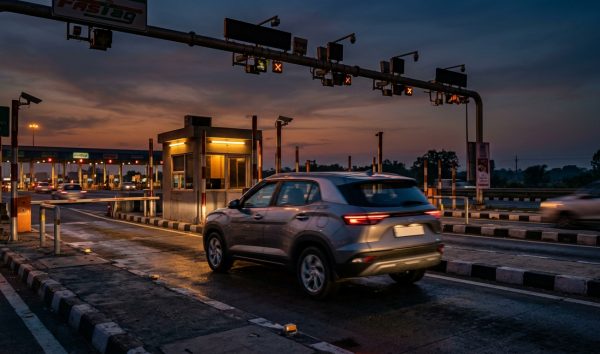
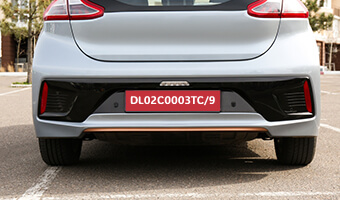
- ANPR Camera Cross-Referencing: Automatic Number-Plate Recognition cameras installed at urban intersections and toll plazas scan plates and automatically query Vahan for active PUCC records.
- Fuel Pump Rejections: High-enforcement regions like Delhi-NCR enforce strict 'No PUC, No Fuel' policies, where fuel dispensers deny service if real-time scans flag an expired certificate.
- Insurance Complications: Insurance claim processing for vehicle accidents can face severe complications or legal rejection if your vehicle operated outside statutory compliance at the time of an incident.
Failing to maintain an active PUCC can trigger an automated ₹10,000 e-challan and lead to an immediate three-month driving licence suspension.
Standard PUC Testing Fees Across India
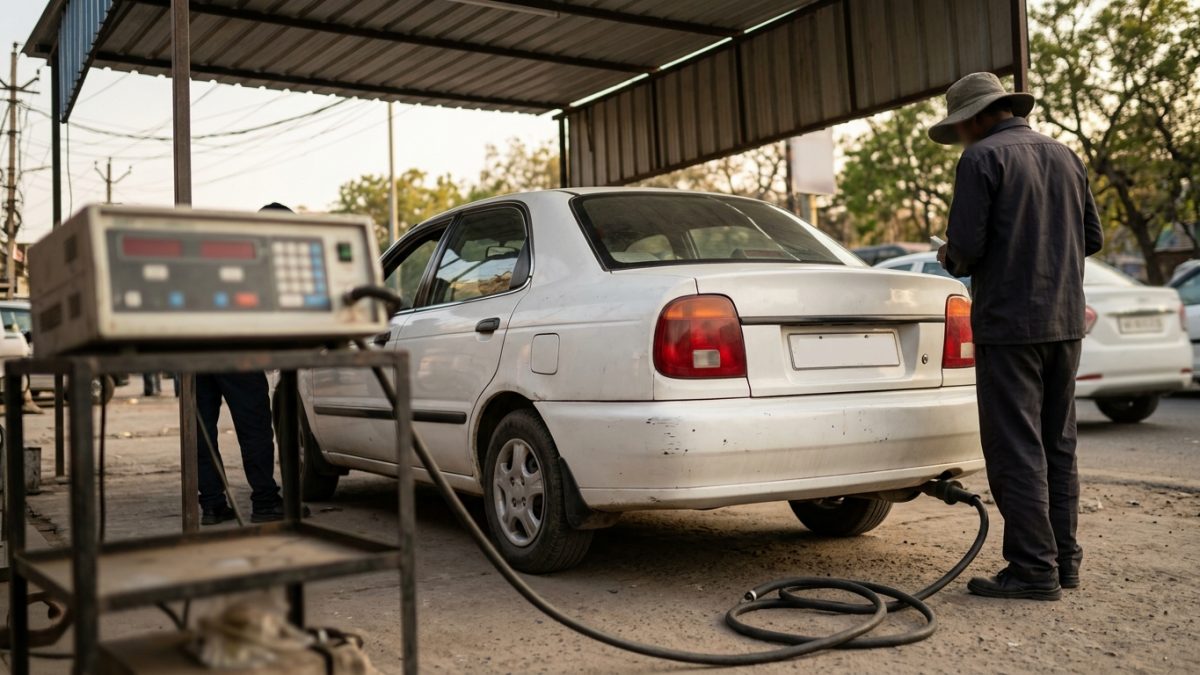
Obtaining a valid certificate at an authorized testing booth is inexpensive and takes only five to ten minutes. Testing centers operate at major petrol stations, authorized vehicle dealerships, and independent RTO-licensed testing vans.
Government authorities prescribe nominal baseline rates for emissions certification. Minor variations may appear across different states due to local fuel cess or municipal levies:
| Vehicle Category & Fuel Type | Standard Government Rate | Applicable Taxes |
|---|
| Two-Wheelers (Petrol) | ₹60 – ₹80 | 18% GST (inclusive or additional depending on state invoice) |
| Four-Wheelers (Petrol / CNG / LPG) | ₹80 – ₹100 | 18% GST (inclusive or additional depending on state invoice) |
| Four-Wheelers (Diesel) | ₹100 – ₹150 | 18% GST (inclusive or additional depending on state invoice) |
Always demand an official printed computer receipt with the live QR code directly generated from the Vahan terminal. Never accept manual, handwritten receipts, as they will not reflect on the central national database.
How to Complete a Bike PUC Check Online
Two-wheeler owners must stay equally vigilant regarding their emission renewal cycles. Performing a bike puc check online follows the exact same process as passenger cars through the central Parivahan infrastructure.
Whether you ride a modern BS6 commuter motorcycle or an older two-stroke scooter, regular verification prevents unexpected traffic stops. BS4 and BS6 motorcycles receive an annual 12-month certificate, whereas older two-stroke scooters require testing every six months.
- Locate RC credentials: Note your bike's registration number and the last 5 digits of its chassis number from your registration document.
- Access central portal: Visit the official MoRTH Parivahan Sewa portal and head to the PUCC inquiry module.
- Check validity status: Enter your motorcycle credentials to confirm whether your previous certificate is still active or expired.
- Locate a testing booth: If your motorcycle's status shows as expired, ride to your nearest petrol pump testing facility to complete a physical tailpipe test.
Why Is PUC Certificate Not Updating on mParivahan?
Many motorists face frustration when their newly acquired certificate fails to reflect inside their smartphone applications. If your fresh certificate appears on paper but not in the NextGen mParivahan app, several technical factors could be at play.
Common Synchronization Issues and Fixes
- App Cache & Virtual RC Token: The NextGen mParivahan app stores local token caches on your phone. To resolve this, open 'My Virtual Docs', delete your existing Virtual RC, and generate it again using your registration and complete chassis/engine details to force a refresh.
- Central Database Sync Latency: Although licensed testing stations transmit test records electronically, synchronization between the centralized Vahan 4.0 database and client-side mobile endpoints can take between 24 and 48 hours.
- Operator Data Typo: If the testing attendant mistyped even a single digit of your registration or chassis number during initial data entry, the certificate saves under an erroneous record and will never sync to your actual profile.
- Legacy State Server Segregation: Certain states previously maintained standalone regional emission databases (such as Karnataka's ETC system). While national integration is ongoing, standalone stations might experience slight data transmission delays.
Legal Status of Digital PUC Documents
You do not need to keep laminated paper copies inside your vehicle glove compartment. Under Rule 139 of the Central Motor Vehicles Rules (CMVR), read in conjunction with Section 4 of the Information Technology Act, 2000, digital vehicular documents stored in recognized government apps enjoy full legal standing.
Traffic enforcement officers cannot insist on physical paperwork if you present an authentic digital copy via the DigiLocker or NextGen mParivahan mobile applications. Similarly, downloading the official Form 59 PDF from Parivahan gives you a verifiable, QR-coded credential accepted during roadside checks nationwide.
Whenever you plan to renew insurance, transfer ownership, or travel interstate, verify your vehicle's full legal status. Completing an active online RC check allows you to monitor your roadworthiness, fitness certificates, and pollution validity all in one convenient place.
Conclusion
Performing a periodic puc certificate check ensures your motor vehicle remains fully compliant with Indian environmental regulations and shields you from a painful ₹10,000 traffic fine. With online access through the Parivahan PUCC portal, checking emission validity dates and downloading official Form 59 documents takes merely a few minutes.
Take control of your vehicle documentation today by completing an online vehicle RC and PUC check to confirm that your pollution status, insurance, and road fitness are up to date.