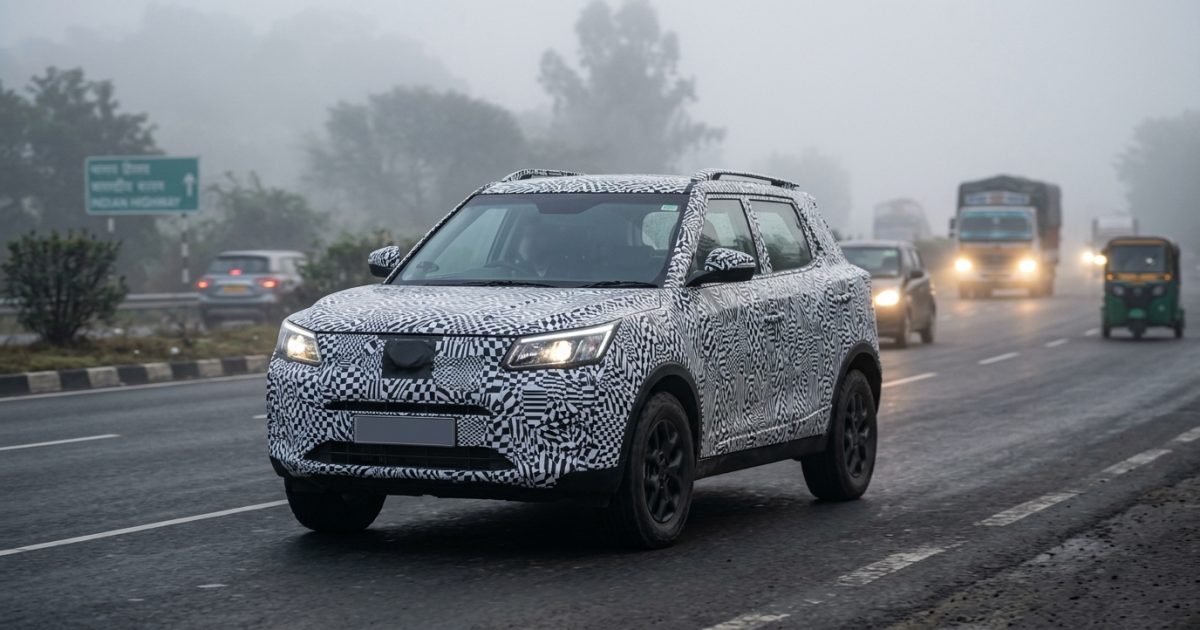
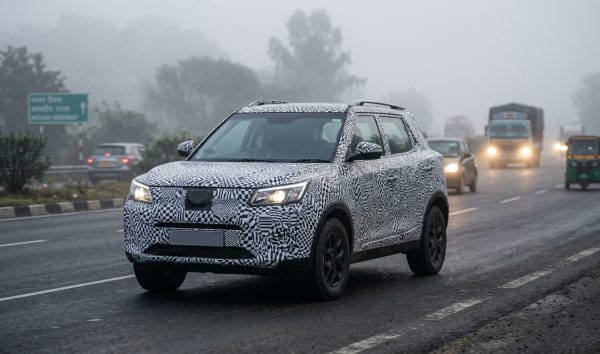
The lineup of upcoming electric cars in India features ground-up platforms, larger battery packs, and lower prices. Between late 2026 and early 2027, buyers can expect affordable urban micro-EVs starting under ₹8 lakh, mass-market family SUVs, and long-range luxury 7-seaters delivering over 450 km of real-world driving range on a single charge.
Key Takeaways
- India taxes electric cars at a flat 5% GST, avoiding the heavy 40%+ tax burden applied to ICE vehicles.
- Upcoming models feature Battery-as-a-Service (BaaS) options, lowering initial acquisition prices by ₹4 lakh to ₹9 lakh.
- Real-world EV range delivers 65% to 75% of certified ARAI claims during typical Indian driving conditions.
- Battery electric vehicles receive mandatory green High Security Registration Plates (HSRP) at authorized RTOs nationwide.
- State policies in Delhi, Haryana, and Uttar Pradesh provide significant road tax waivers on eligible EV purchases.
The transition toward electric mobility in India has shifted from early adoption into mass-market expansion. As of September 2026, data from MoRTH’s Vahan database confirms over 2.15 million electric vehicles registered nationwide year-to-date. This rapid adoption is propelled by localized battery assembly, widespread DC fast-charging network growth, and competitive ownership programs.
| Upcoming Model | Expected Ex-Showroom | Battery Capacity | Real-World Range |
|---|
| Tata Safari EV | ₹25.00 – ₹32.00 Lakh | 65 kWh – 75 kWh | 390 – 450 km [Estimated] |
| Hyundai Inster EV | ₹9.50 – ₹12.50 Lakh | 42 kWh – 49 kWh | 230 – 275 km [Estimated] |
| VinFast VF 3 | ₹7.50 – ₹9.50 Lakh | 18.64 kWh | 140 – 165 km [Estimated] |
| Mahindra BE.07 / XEV 9e | ₹22.00 – ₹28.00 Lakh | 59 kWh – 79 kWh | 400 – 490 km [Estimated] |
| Maruti Suzuki e Vitara | ₹15.99 – ₹20.01 Lakh | 49 kWh – 61 kWh | 320 – 410 km [Estimated] |
Upcoming Electric Cars in India: Flagship & Family Launches
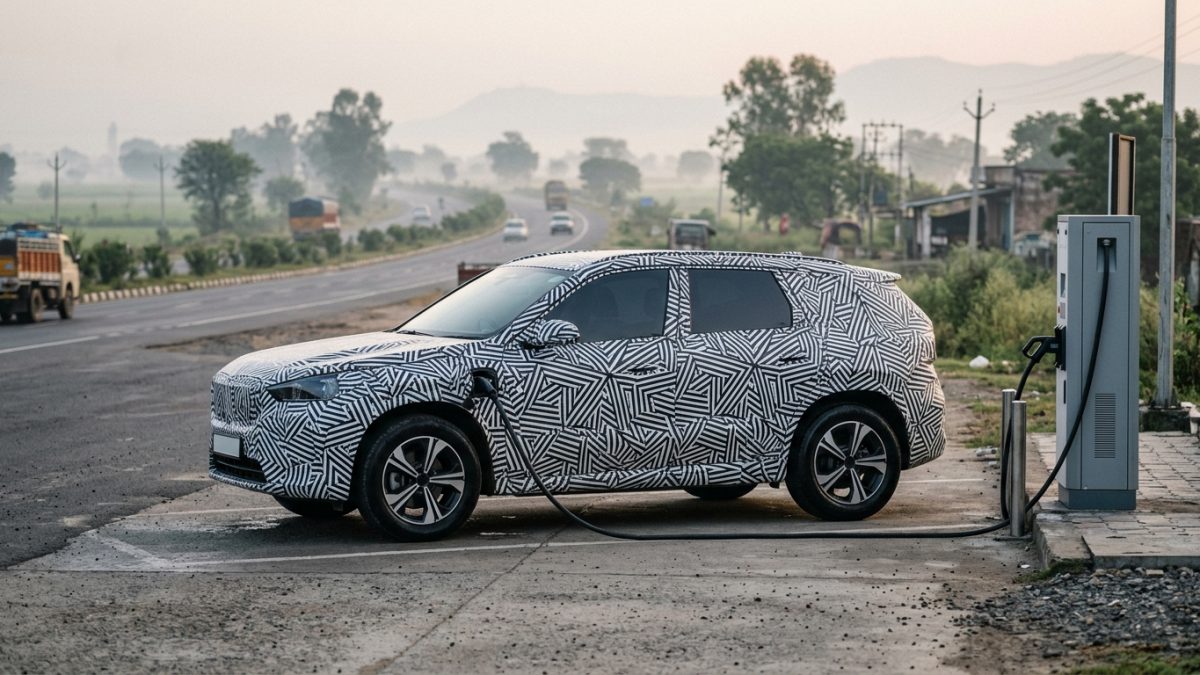
Carmakers are focusing on high-demand body styles, specifically mid-size and three-row SUVs. These upcoming electric vehicles in India feature dedicated skateboard platforms rather than converted petrol-diesel body shells.
Tata Safari EV: The Flagship 7-Seater e-SUV
Expected to debut around November or December 2026, the Tata Safari EV is among the most awaited upcoming electric SUV in India models. Built on Tata's acti.ev+ modular platform, the Safari EV will offer both rear-wheel drive (RWD) and quad-wheel drive (QWD dual-motor all-wheel drive) setups.
Buyers can choose between 65 kWh and 75 kWh liquid-cooled LFP battery packs. While certified MIDC/ARAI numbers range between 530 km and 625 km, real-world mixed driving is estimated to deliver 390 km to 450 km. The vehicle features a triple-screen dashboard layout, Level-2 ADAS, ventilated second-row seats, 540-degree camera systems, and Vehicle-to-Load (V2L) charging capabilities.
Mahindra BE.07 and XEV 9e: Ground-Up Born-Electric Coupes
Slated for release in late Q4 2026 or early Q1 2027, the Mahindra BE.07 and XEV 9e mark Mahindra's entry into dedicated born-electric vehicles. Built upon the modular INGLO architecture, these SUVs integrate rear-mounted permanent magnet synchronous motors generating 231 bhp to 282 bhp and up to 380 Nm of torque.
Equipped with 59 kWh and 79 kWh blade LFP battery options, they boast certified ranges between 540 km and 682 km. The estimated real-world highway range sits reliably between 400 km and 490 km. High-speed 175 kW DC ultra-fast charging allows a 0 to 80% charge in approximately 30 minutes.
Buying Tip: Dedicated skateboard EV platforms offer significantly flatter cabin floors, larger boots, and better battery thermal management compared to older internal combustion engine conversions.
Upcoming Affordable Electric Cars Under 15 Lakh
Electrification is expanding into budget-friendly segments. Several upcoming ev cars under 15 lakh aim to lower the entry barrier for daily city commutes.
Hyundai Inster EV (Codename HE1i)
Targeted for rollout between late 2026 and early 2027, the Hyundai Inster EV (codenamed HE1i for the Indian market) enters the sub-compact crossover space. Positioned between ₹9.50 Lakh and ₹12.50 Lakh, it directly challenges the Tata Punch EV.
The Inster EV utilizes Hyundai’s modified small-car EV platform, paired with a front-mounted motor offering 97 PS to 115 PS. Battery options include 42 kWh standard and 49 kWh long-range LFP packs, yielding an estimated real-world driving range of 230 km to 275 km. Fast DC charging support at up to 120 kW replenishes 10% to 80% capacity in around 30 minutes. To compare other budget alternatives, see our guide on new car launch models under 10 lakh in India.
VinFast VF 3: Compact Urban Runabout
Expected between October and November 2026, the VinFast VF 3 targets city runabouts with an estimated price between ₹7.50 Lakh and ₹9.50 Lakh. It features a rugged, two-door boxy layout with 191 mm of ground clearance.
Power comes from an 18.64 kWh LFP battery linked to a single rear-wheel-drive motor generating 43.5 hp. Certified for up to 215 km on standard cycles, drivers can expect a realistic urban range of 140 km to 165 km. This vehicle caters directly to intra-city commuting, office runs, and tight parking scenarios.
Maruti Suzuki e Vitara: Market Expansion
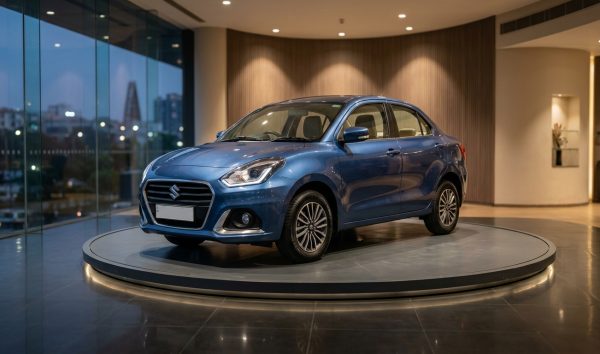
First introduced in early 2026, the Maruti Suzuki e Vitara is expanding variant deliveries into late 2026. Priced from ₹15.99 Lakh outright, it is also sold via Battery-as-a-Service (BaaS) starting at ₹10.99 Lakh. It features 49 kWh and 61 kWh battery variants delivering realistic ranges of 320 km and 410 km respectively, alongside a 5-star Bharat NCAP safety rating.
Cost Warning: When evaluating entry-level electric vehicles, factor in the cost of an upgraded electrical meter or high-speed wallbox installation with your local power distribution company.
Real-World Driving Range vs Certified Lab Claims
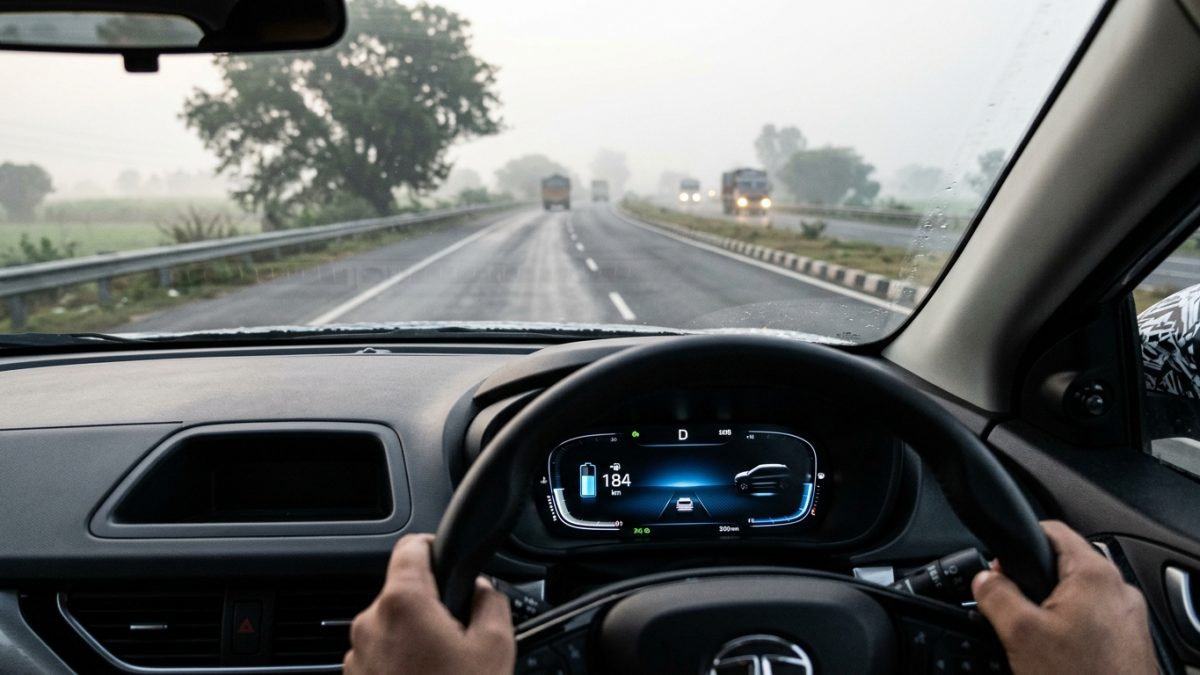
One of the primary concerns for EV buyers is the difference between lab-certified figures and everyday highway driving. Certified testing follows ARAI or MIDC driving cycles inside controlled laboratories with gradual acceleration curves and disabled air conditioning.
Under typical Indian conditions, actual highway and city driving range sits between 65% and 75% of official MIDC or ARAI figures. Multiple everyday variables influence this gap:
- Speed & Drag: Electric motors operate with high efficiency at lower speeds (30–60 km/h) due to continuous regenerative braking. Sustained expressway speeds (90–120 km/h) generate significant aerodynamic drag, reducing highway range by 15% to 25%.
- Climate Control: Running automatic climate control during peak summer temperatures (40°C+) draws continuous power from the high-voltage battery, reducing overall efficiency by 10% to 12%.
- Payload: Driving with full passenger loads and luggage on inclines increases total kilowatt-hour consumption per kilometre.
| Battery Capacity | ARAI Claimed Range | Estimated Real-World Range | Typical Usage Suitability |
|---|
| 18 – 20 kWh | 200 – 220 km | 140 – 165 km | Daily city commuting & errands |
| 40 – 50 kWh | 310 – 440 km | 230 – 320 km | City runs & short intercity trips |
| 60 – 75 kWh | 530 – 650 km | 390 – 470 km | Long-distance intercity touring |
Understanding Battery-as-a-Service (BaaS) Subscriptions
Automakers like MG, Maruti Suzuki, Kia, Hyundai, and Mahindra have introduced Battery-as-a-Service (BaaS) programs in India. This model separates the initial car purchase price from the high-voltage battery pack.
Instead of paying the full ex-showroom cost upfront, the car is purchased at a discounted price—often reduced by ₹4 lakh to ₹9 lakh. The battery is leased from an energy or financing partner, and the owner pays a recurring usage fee between ₹3.30 and ₹3.99 per kilometre driven.
BaaS offers distinct financial trade-offs depending on your driving patterns:
- When BaaS is Beneficial: Ideal for private owners covering 800 to 1,200 km per month who want to minimize upfront capital costs and loan EMIs while avoiding long-term battery degradation concerns.
- When BaaS is Expensive: High-mileage drivers commuting over 2,000 km per month will find monthly battery rental bills accumulating quickly, often exceeding standard loan interest costs over a 4 to 5-year ownership tenure.
Review the minimum monthly distance commitments, foreclosure terms, and resale conditions in the BaaS agreement prior to booking. For deeper calculation breakdowns, check our detailed car on-road price calculation guide.
BaaS Tip: Most BaaS contracts set a minimum monthly billing floor, usually equivalent to 1,000 to 1,500 km. Even if your EV stays parked for weeks, the minimum monthly subscription remains payable.
Step-by-Step EV Registration and Green Number Plate Rules
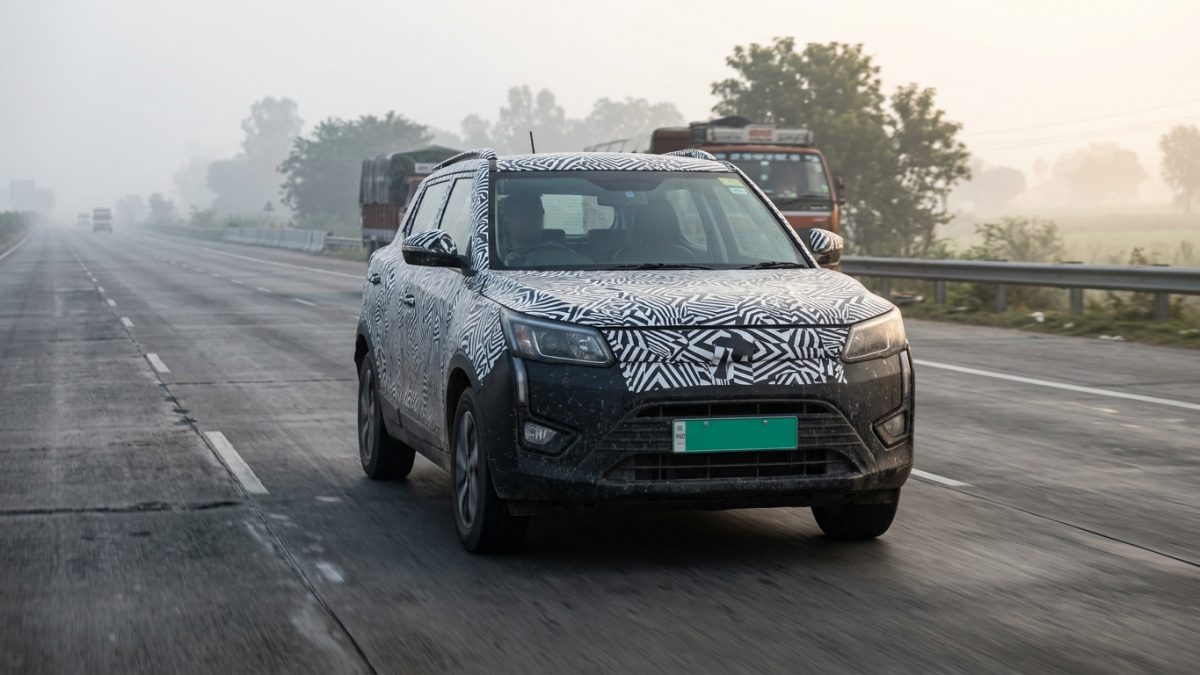
In India, all pure battery-electric vehicles are legally mandated under the Central Motor Vehicles Rules (CMVR) to display reflective green High Security Registration Plates (HSRP). Strong hybrids and mild hybrids do not qualify and must use conventional white or yellow plates.
Vehicle registration for upcoming ev cars in india is handled through the centralized MoRTH Parivahan Sewa portal via the dealer-point system.
| Vehicle Category | Plate Background Colour | Font Colour | Eligible Powertrains |
|---|
| Private Non-Transport | Reflective Green | White | Pure Electric (Battery Only) |
| Commercial Transport | Reflective Green | Yellow | Pure Electric (Cabs, Buses, Cargo) |
| Private Hybrid / ICE | White | Black | Petrol, Diesel, Strong Hybrid, CNG |
| Commercial Hybrid / ICE | Yellow | Black | Petrol, Diesel, Strong Hybrid, CNG |
To register your new electric car, authorized dealerships carry out the following procedure on the Vahan 4.0 portal before delivering the vehicle:
- Application Submission: The dealer accesses Vahan 4.0 and generates Form CMV20, designating the fuel class strictly as "Battery Operated Vehicle (BOV)" or "ELECTRIC".
- Document Submission: The dealer uploads essential documentation, including Form 21 (Sale Certificate), Form 22 (Roadworthiness Certificate), valid motor insurance, and the buyer's Aadhaar-based address verification.
- Tax Exemption Processing: The system automatically cross-references state road tax databases. If the purchasing state provides full tax relief, the calculated motor vehicle tax entry displays ₹0. Standard central registration (₹600) and HSRP fitment fees (₹400–₹800) are paid online.
- Approval and HSRP Embossing: The local Registering Authority verifies documents electronically without requiring physical vehicle inspection at the RTO. An automated authorization request is sent to the authorized plate manufacturer.
- Plate Fitment and Delivery: The embossed green HSRP plates with snap locks are delivered to the dealership and affixed to your electric vehicle before keys are handed over.
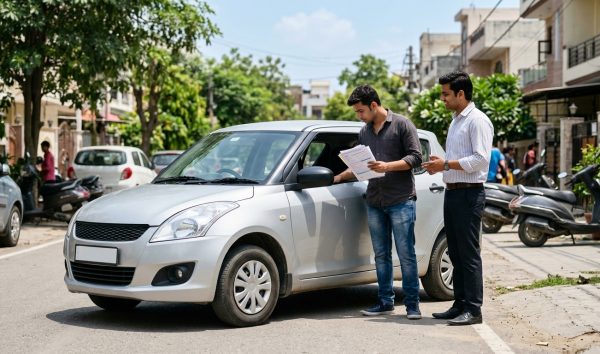
Before taking delivery, confirm your vehicle's registration status and tax entries by running an online RC details search. If you ever need to verify jurisdiction or transfer boundaries, you can locate your local RTO office details.
State-Wise Road Tax Exemptions and Policies (September 2026)
Because motor vehicle taxation is managed at the state level, EV concessions vary widely. Before purchasing, verify updated circulars with your state transport department.
| State / UT | Road Tax Exemption Status | Applicable Slabs / Terms | Official Department Source |
|---|
| Delhi | 100% Tax Waiver | EVs priced up to ₹30 Lakh | Delhi Transport |
| Haryana | 100% / 50% Tax Waiver | 100% under ₹30L; 50% above ₹30L | Haryana Transport |
| Uttar Pradesh | 100% Tax Waiver | All BEVs registered in UP | UP EV Subsidy Portal |
| Maharashtra | 100% Tax Waiver | Active through 2030 | Maharashtra Transport |
| Tamil Nadu | 100% Tax Waiver | Active through Dec 31, 2026 | TN Transport Commissionerate |
In states like Haryana, the transport department updated its EV guidelines in August 2026. Vehicles must be both purchased and registered within the state boundary to claim the tax exemption. Purchasing your EV from an out-of-state dealer can result in losing road tax benefits at registration.
Buy Now vs Wait: Should You Delay Your EV Purchase?
With multiple new ev launch in india events scheduled, prospective car buyers must decide whether to choose an existing vehicle or wait for upcoming models.
When You Should Wait
- You Need a 3-Row Family Vehicle: If you frequently travel with 6 or 7 passengers, existing electric options are limited to high-end luxury brands. Waiting for the Tata Safari EV provides dedicated 3-row comfort at a competitive price.
- You Seek Native Skateboard Platforms: Models like the Mahindra BE.07 and XEV 9e introduce ground-up skateboard architectures featuring 175 kW ultra-fast DC charging profiles and cutting-edge software suites.
- You Want Sub-₹12 Lakh Variety: Waiting for the Hyundai Inster EV provides a refined alternative to existing budget hatchbacks and crossovers.
When You Should Buy Now
- Expiring State Incentives: If your state EV road tax exemptions are scheduled to lapse or face policy revisions, locking in tax-free on-road pricing on an available vehicle saves substantial money.
- High Daily Commutes: If you drive 50 to 80 km daily in an internal combustion car, ongoing fuel expenses accumulate quickly. Mature models such as the Tata Nexon.ev, Punch EV, MG Windsor, and Maruti e Vitara offer immediate running cost reductions of ₹3 to ₹5 per km.
- Established Service Networks: Current production models feature tested charging curves, proven battery longevity, and widespread authorized service support across national highways. Always ensure you stay clear of any traffic penalties by performing a quick e-challan status check on your existing vehicle before processing any exchange.
Conclusion
The upcoming electric cars in India set to debut across late 2026 and early 2027 deliver substantial advancements in battery efficiency, structural safety, and native platform engineering. Whether you are eyeing an affordable urban runabout like the VinFast VF 3 or a spacious 7-seater like the Tata Safari EV, evaluate both outright and BaaS pricing structures alongside your regional road tax rules.
Before booking an EV, verify your state-specific road tax exemptions on official transport portals and calculate your daily commute against real-world range metrics to select the right battery capacity for your driving needs.