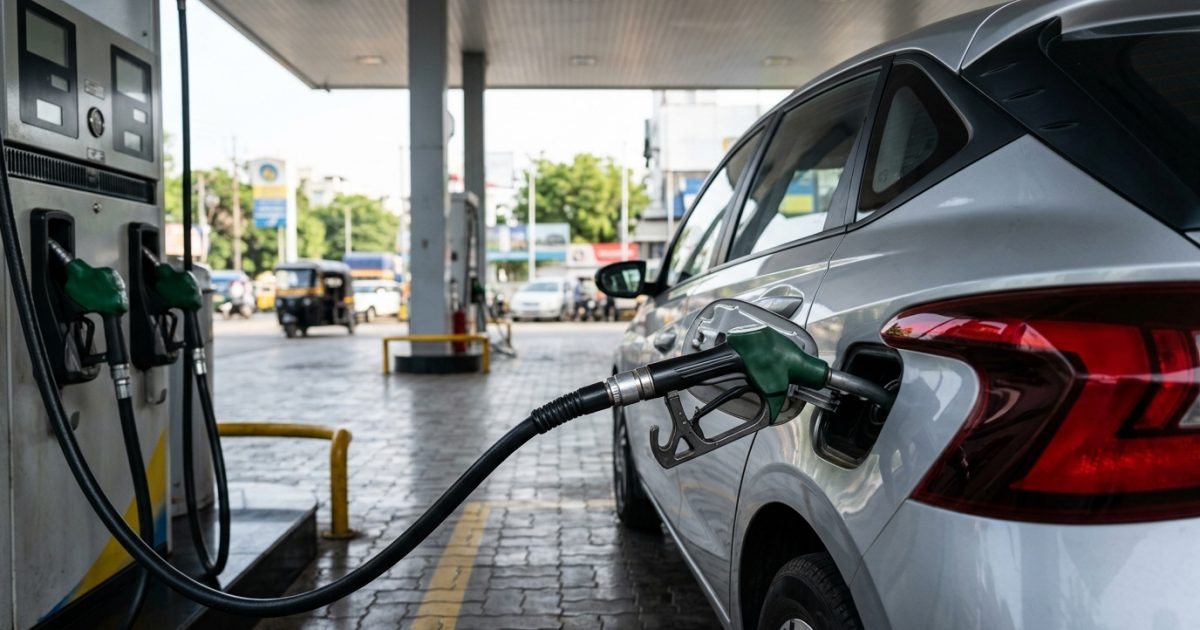
Looking for proven car mileage tips? You can increase fuel efficiency by 15% to 25% through smooth throttle inputs, shifting gears between 1,800 and 2,200 RPM, maintaining recommended cold tyre pressures, avoiding neutral coasting, and cleaning air filters every 5,000 km. Regular maintenance and cruising between 60 and 80 km/h deliver the highest real-world kilometres per litre.
Key Takeaways
- Cruising steadily between 60 km/h and 80 km/h in top gear offers maximum thermal efficiency.
- E20 petrol causes a verified 2% to 6% drop in volumetric fuel economy.
- Coasting in gear cuts fuel injection completely, whereas idling in neutral consumes fuel.
- Underinflated tyres by just 4 to 5 PSI increase rolling resistance and waste 2% to 3% fuel.
- Engine lugging in high gears at low speeds increases cylinder pressure and wastes fuel.
Managing fuel expenditure is a daily priority for Indian car owners. As of September 2026, fuel retail rates remain elevated across major metropolitan hubs, placing pressure on household budgets.
| Metro City | Petrol (₹/Litre) | Diesel (₹/Litre) | CNG (₹/kg) |
|---|
| New Delhi | ₹102.12 | ₹95.20 | ₹86.98 |
| Mumbai | ₹111.18–₹111.21 | ₹97.83 | ₹88.00 |
| Chennai | ₹107.76 | ₹99.55 | State-dependent |
| Kolkata | ₹113.51 | ₹99.82 | State-dependent |
Fuel rates vary across states due to local freight charges and varying Value Added Tax (VAT). In places like Gurugram (₹92.01/kg) and Noida/Ghaziabad (₹95.59/kg), CNG pricing also reflects regional tax variations. Applying actionable car mileage tips helps you counter these high running costs regardless of fuel type.
Understanding the E20 Fuel Rollout and Fuel Economy
The Ministry of Petroleum & Natural Gas (MoPNG) and NITI Aayog accelerated the nationwide deployment of 20% ethanol-blended petrol (E20). Today, E20 is widely dispensed across fuel retail outlets in India.
Pure ethanol holds roughly 33% lower energy density by volume than pure petrol. Controlled testing by the Automotive Research Association of India (ARAI) and data from the Ministry of Road Transport and Highways (MoRTH) confirm an unavoidable 2% to 6% volumetric efficiency drop in legacy BS-III, BS-IV, and non-calibrated BS-VI vehicles. In congested city traffic, motorists report perceived mileage drops reaching 8% to 10%.
Vehicles manufactured after April 2023 feature E20-compliant fuel lines, seals, and pumps. Older cars require closer inspection for rubber degradation and premature fuel filter clogging caused by moisture accumulation.
How to Increase Car Mileage: Powertrain Optimization
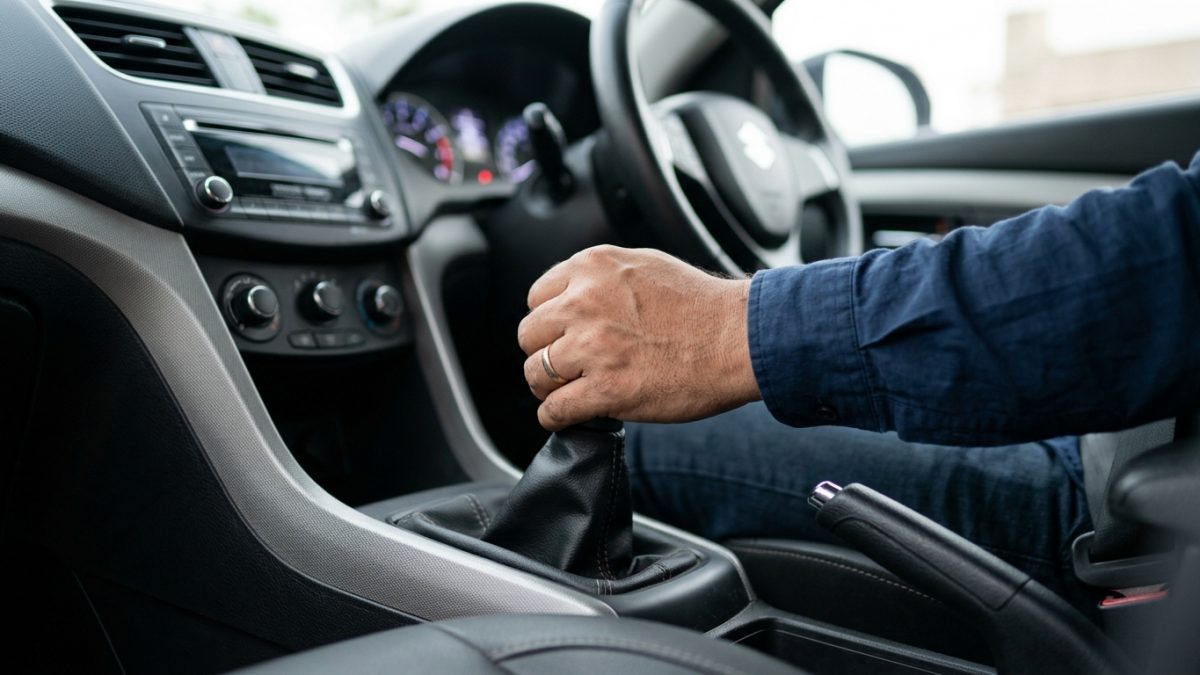
Different engine types require distinct handling strategies. Learning how to increase car mileage depends on matching your driving style to your engine's combustion characteristics.
Mileage Tips for Petrol Cars
Naturally aspirated petrol engines run most efficiently when shifted early. Upshift between 1,800 and 2,200 RPM during regular city commutes. Revving past 2,500 RPM burns unnecessary fuel without providing practical acceleration gains in dense traffic.
How to Get More Mileage from Petrol Car Engines with Turbos
Modern downsized turbo-petrol engines are extremely sensitive to driver throttle inputs. Mashing the accelerator pedal forces the turbocharger to spool rapidly, triggering an air-fuel enrichment loop where the engine control unit (ECU) dumps surplus petrol to keep combustion chambers cool. To get higher efficiency, apply gentle, progressive throttle inputs to remain in closed-loop operation.
Diesel Engine Driving Habits
Common-rail diesel engines generate peak torque low in the rev range, usually between 1,500 and 2,200 RPM. Shift early to keep the engine spinning comfortably within this torque band.
In BS-VI diesel vehicles fitted with a Diesel Particulate Filter (DPF), repetitive short city journeys cause soot accumulation. This forces the vehicle into active regeneration cycles, consuming extra diesel to burn off trapped particulates. Taking a 20 to 30 minute highway drive above 60 km/h once every 2 to 3 weeks initiates passive regeneration and prevents this fuel consumption penalty.
CNG Car Mileage Tips
Compressed Natural Gas demands higher ignition energy than liquid fuels. Implement these proven cng car mileage tips to extract maximum distance per kilogram:
- Inspect and replace spark plugs every 10,000 to 15,000 km, ensuring proper electrode gaps to avoid incomplete combustion.
- Clean the air filter frequently, as CNG setups require a very precise air-fuel ratio to maintain power and mileage.
- Avoid driving continuously on petrol when the CNG cylinder empties. Running on petrol costs around ₹6.40/km compared to roughly ₹3.40/km on CNG.
- Verify cylinder compliance and testing intervals; you can review your vehicle records via VahanX RC Search to confirm registration status.
Smart Driving Techniques: How to Improve Fuel Efficiency in Car Daily
Adopting defensive driving mechanics is the fastest way to understand how to improve fuel efficiency in car operations without spending money on mechanical upgrades.
Deceleration Fuel Cut-Off (DFCO) vs. Neutral Coasting
A widespread driving myth in India is that shifting into neutral while slowing down saves fuel. Coasting in neutral keeps the engine idling, which burns approximately 0.6 to 1.0 litre of fuel per hour.
Modern electronic fuel injection systems utilize Deceleration Fuel Cut-Off (DFCO). When you decelerate in gear with your foot completely off the throttle, the ECU shuts down fuel injection completely, registering 0.0 L/100 km. Always stay in gear while braking or decelerating.
Coasting in neutral uses active idling fuel and disconnects engine braking, which increases wear on brake pads and decreases vehicle control.
Throttle Anticipation and Signal Idling Rules
Look two to three vehicles ahead to anticipate flow changes. Coasting progressively towards an upcoming red light conserves forward momentum, avoiding rapid acceleration followed by abrupt braking.
If you encounter a railway crossing or a traffic signal with a countdown exceeding 15 to 20 seconds, turn off the engine. Modern warm engines consume less fuel to restart than idling for more than 10 seconds. You can monitor local driving requirements and prevent penalties by checking active fines through VahanX Challan Search.
Best Driving Speed for Mileage
The best driving speed for mileage on Indian highways and expressways sits between 60 km/h and 80 km/h in top cruising gear (5th or 6th gear). In this speed range, the engine turns between 1,500 and 2,000 RPM, delivering peak thermal efficiency with minimal pumping losses.
Aerodynamic drag rises with the square of vehicle speed. Increasing your cruising speed from 80 km/h to 110–120 km/h burns 15% to 25% more fuel simply overcoming wind resistance.
Preventive Maintenance to Eliminate Reasons for Sudden Drop in Car Mileage
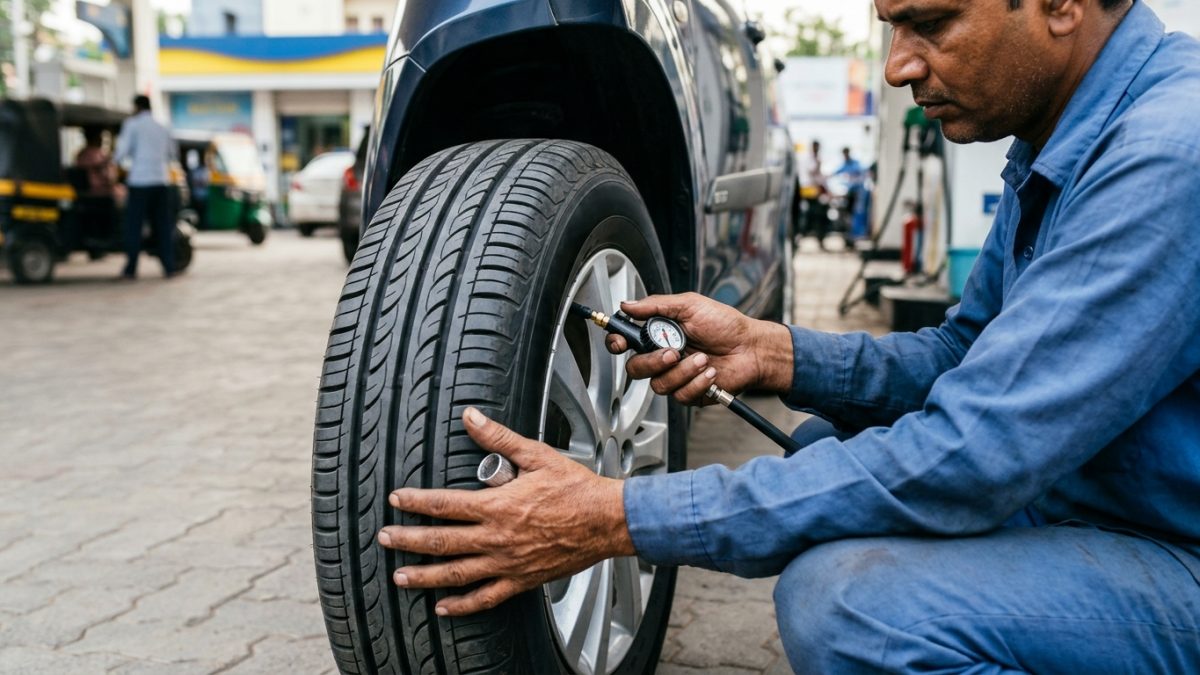
A neglected car cannot run efficiently. Identifying the reasons for sudden drop in car mileage early keeps repair costs low and prevents fuel waste.
| Component | Recommended Service Action | Fuel Economy Impact | Check Interval |
|---|
| Tyre Pressure | Maintain placard cold PSI | 2% to 3% penalty if 4–5 PSI low | Every 10–14 days |
| Air Filter | Clean dust; replace regularly | Up to 5% loss in severe clogging | Clean: 5,000 km, Replace: 10,000 km |
| Engine Oil | Use low viscosity (0W-20 / 5W-30) | 1% to 3% drag penalty if too thick | Every 10,000 km or 1 year |
| Wheel Alignment | Inspect camber, caster, toe | Scrub resistance increases consumption | Every 5,000–10,000 km |
Cold Tyre Pressure Monitoring
Underinflated tyres create higher rolling resistance. Tyres that are underinflated by just 4 to 5 PSI reduce fuel efficiency by 2% to 3%. Check pressures in the morning when the tyres are cold.
Avoid generic roadside recommendations like filling 35 PSI all around. Refer strictly to the tyre placard on the driver-side door B-pillar. Note that ambient temperature drops decrease tyre pressure by roughly 1 PSI for every 5°C reduction.
Engine Oil Viscosity and Sensor Cleanliness
Modern Indian passenger cars utilize low-viscosity engine lubricants such as 0W-16, 0W-20, or 5W-30 to minimize internal frictional losses. Using heavier oils such as 20W-50 causes hydrodynamic drag in the crankcase, causing a 1% to 3% mileage drop.
Degraded oxygen (O2) sensors or contaminated Mass Air Flow (MAF) sensors relay incorrect air volume readings to the ECU, leading to an over-rich fuel mixture. Inspect these sensors if you observe unexplainable fuel consumption hikes.
Sticking brake calipers generate continuous drag on the wheels. Ensure slide pins are lubricated during periodic brake servicing to prevent silent fuel loss.
Step-by-Step: How to Check Car Mileage Accurately
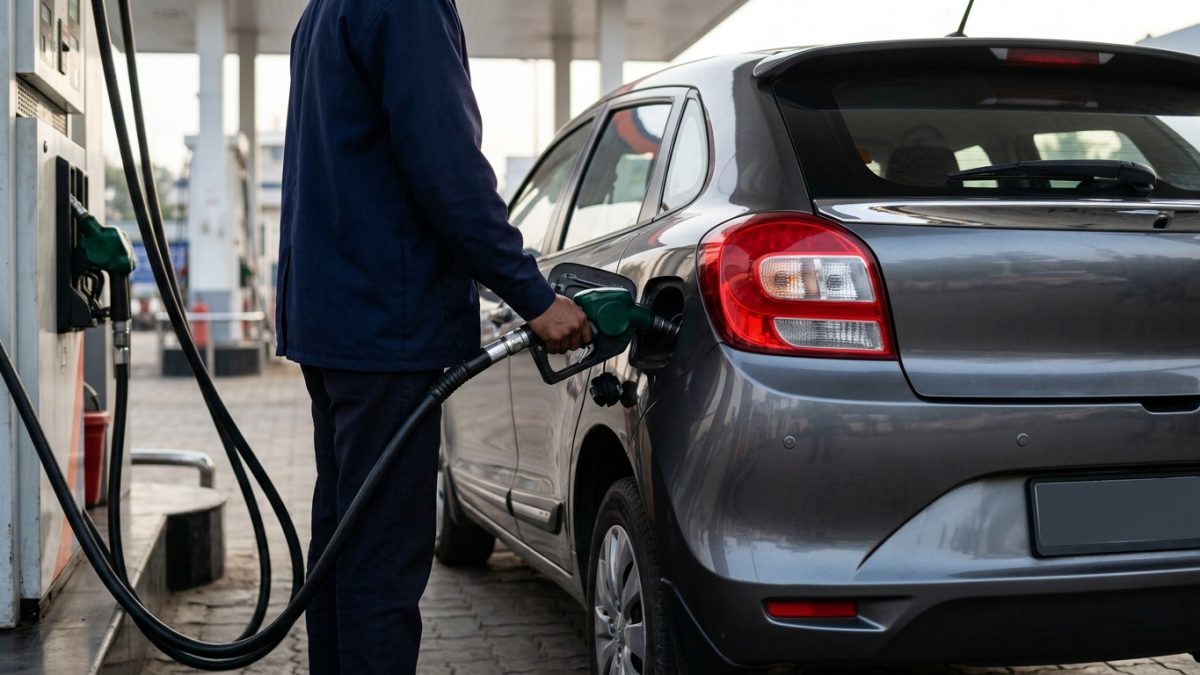
Dashboard multi-information displays (MIDs) calculate consumption via fuel injector pulses and tend to read 5% to 10% more optimistic than reality. Here is how to check car mileage accurately using the standardized tank-to-tank procedure.
- Fill the tank to auto-cut: Pull into a reputed fuel station and instruct the attendant to fill until the fuel dispenser nozzle cuts off automatically. Do not manually top up fuel past the click.
- Reset your trip meter: Reset your vehicle's Trip A meter to 0.0 km before driving away from the dispenser.
- Drive your standard commute: Use the car across your regular city and highway driving routines until the tank drops to half or one-third capacity.
- Refill at the same cut-off level: Return to the fuel station, preferably using the same fuel pump dispenser, and refill the tank up to the first auto-cut click.
- Record distance and volume: Note the distance covered on your Trip A display and check the fuel receipt for the exact quantity of fuel pumped.
- Calculate the real consumption: Divide the distance covered by the litres added on the second refill.
| Metric Parameter | Petrol Run Example | CNG Run Example |
|---|
| Distance Logged (Trip A) | 420.0 km | 210.0 km |
| Fuel Dispensed on Refill | 28.00 litres | 6.50 kg |
| Calculation Formula | 420 km ÷ 28 litres | 210 km ÷ 6.5 kg |
| Real-World Economy | 15.00 kmpl | 32.30 km/kg |
Engine Lugging vs Fuel Economy: The High Gear Myth
A persistent misconception among Indian drivers is that driving in a high gear at very low speeds reduces fuel consumption because the tachometer shows lower RPM. For instance, accelerating from 30 km/h in 5th gear is known as engine lugging.
Lugging does not save fuel. At low engine speeds in a high gear, the engine operates at a massive mechanical disadvantage. When you press the accelerator, the throttle plate opens wide, prompting the ECU to inject surplus fuel to prevent stalling. This creates an incomplete, inefficient burn.
- Cylinder pressure spikes: Lugging creates extreme pressure spikes before the piston reaches optimal mechanical leverage, producing engine knock.
- Connecting rod stress: Severe shock loads transmit directly onto the connecting rod bearings and crankshaft.
- Low-Speed Pre-Ignition (LSPI): Direct-injection turbo-petrol engines are susceptible to LSPI under lugging conditions, which can crack pistons.
- Carbon fouling: Unburnt fuel rapidly coats spark plugs and exhaust valves, leading to DPF clogging in modern diesels.
Always downshift when your speed drops. Keep petrol engines above 1,400 to 1,500 RPM and diesel engines above 1,300 to 1,500 RPM before requesting acceleration.
Conclusion
Applying these practical car mileage tips will help you curb rising fuel expenses and protect critical engine components from premature wear. Consistent driving habits, disciplined gear shifts, and regular maintenance ensure your petrol, diesel, or CNG car delivers peak kilometres per litre.
Keep your car running efficiently and stay on top of vehicle paperwork, pollution fitness checks, and registration updates with the VahanX vehicle portal.