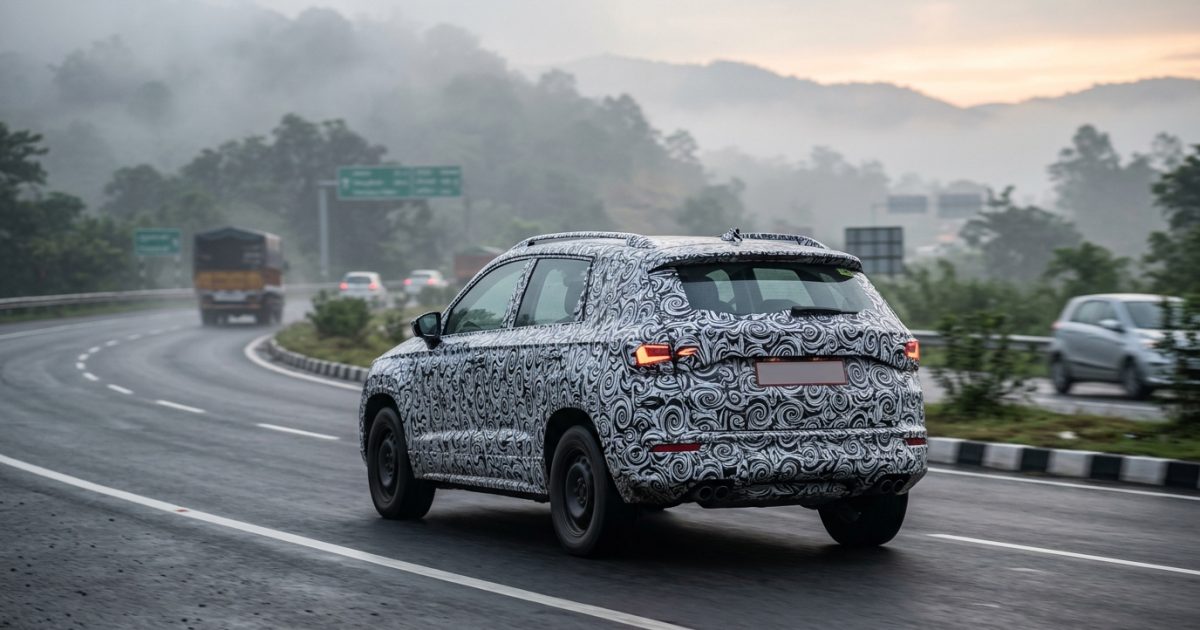
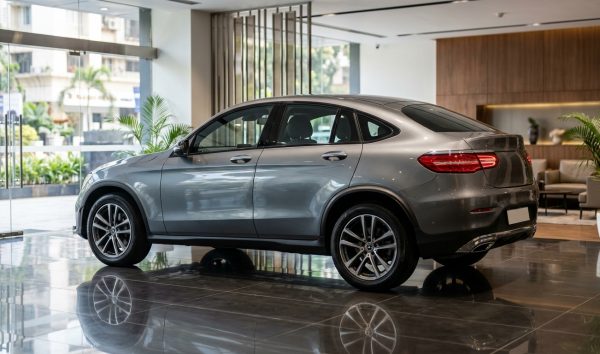
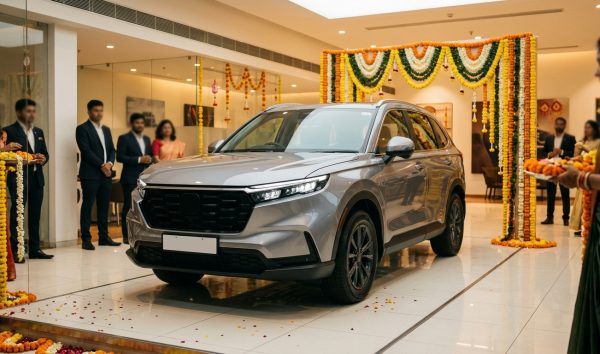
The top upcoming cars in India launching during the late 2026 festive season include the Hyundai Bayon, Mahindra Thar 3-door facelift, Tata Safari EV, Maruti Suzuki Grand Vitara facelift, and Toyota Glanza facelift. These new models arrive between late September and November 2026, spanning ex-showroom prices from ₹6.80 Lakh to ₹31.50 Lakh.
Key Takeaways
- Festive launches cover major segments from ₹6.80 Lakh hatchbacks to ₹31.50 Lakh premium electric SUVs.
- Level 2 ADAS is expanding into sub-₹15 Lakh mass-market crossovers and compact SUVs.
- Pre-launch booking amounts range from ₹11,000 to ₹25,000 and are fully refundable before prices are announced.
- Parivahan dealer-point registration eliminates physical RTO visits across most Indian states.
| Model | Segment | Expected Price | Key Powertrain / Range |
|---|
| Hyundai Bayon | Compact Crossover | ₹8.00L – ₹14.00L | 1.2L Petrol / 1.0L Turbo / CNG |
| Mahindra Thar Facelift | Off-Road SUV | ₹10.50L – ₹17.80L | 1.5L Diesel / 2.2L Diesel / 2.0L Petrol |
| Tata Safari EV | 3-Row Electric SUV | ₹24.00L – ₹31.50L | 65–75 kWh (550–600 km claimed) |
| Maruti Grand Vitara Facelift | Mid-Size SUV | ₹11.20L – ₹20.50L | 1.5L Mild Hybrid / Strong Hybrid / CNG |
| Toyota Glanza Facelift | Premium Hatchback | ₹6.80L – ₹10.30L | 1.2L Petrol / E-CNG |
Top Upcoming Cars in India for Festive Season 2026
The Indian festive window between Navratri, Dussehra, and Diwali drives 30% to 35% of annual passenger vehicle sales. Car manufacturers use this critical buying surge to introduce generational upgrades, mid-cycle facelifts, and brand-new nameplates.
As of September 2026, multiple mainstream manufacturers have aligned their production schedules to capture festive demand. You can explore details on individual debuts in our guide to the latest car launch in India festive 2026 models.
1. Hyundai Bayon
The Hyundai Bayon is an urban crossover scheduled for release in October 2026 ahead of Diwali. It bridges the showroom gap between the Venue sub-compact SUV and the Creta mid-size SUV.
Hyundai offers three distinct engine choices on the Bayon:
- 1.2L Kappa Petrol: Generates ~83 PS and 114 Nm torque, paired with a 5-speed manual or AMT, delivering a claimed ~18.5 km/l.
- 1.0L Turbo-GDi Petrol: Produces ~120 PS and 172 Nm torque, mated to a 6-speed manual or 7-speed dual-clutch transmission (DCT), with ~19.8 km/l claimed mileage.
- 1.2L Bi-Fuel (CNG): Yields ~69 PS in CNG mode, mated to a 5-speed manual gearbox, delivering ~27 km/kg.
Cabin technology includes a 10.25-inch dual-screen panel, ventilated front seats, an electric sunroof, and Bluelink connected car services. Hyundai targets a 5-star Bharat NCAP rating by equipping the Bayon with standard six airbags, ESC, and Level 2 camera-and-radar ADAS.
Tip: If you commute heavily within metro traffic, the 1.0L Turbo DCT provides effortless stop-and-go acceleration, while the factory-fitted CNG variant minimizes per-kilometer running costs.
2. Mahindra Thar (3-Door Facelift)
Mahindra's iconic 3-door Thar receives its mid-cycle update in late September or October 2026. This refresh incorporates interior ergonomics and exterior styling elements inspired by the Thar Roxx line.
Exterior revisions include circular LED projector headlights, C-shaped daytime running lights, and a re-engineered multi-slat front grille. Inside, the cabin receives rear AC vents, rear disc brakes, a 360-degree camera, and a 10.25-inch touchscreen with a digital instrument cluster.
Powertrain configurations remain diverse:
- 1.5L D117 CRDe Diesel (RWD): 118 PS and 300 Nm torque with a 6-speed manual gearbox (claimed mileage: ~15.2 km/l).
- 2.2L mHawk Diesel (4WD): 130 PS and 300 Nm torque, offered with a 6-speed manual or 6-speed torque converter automatic.
- 2.0L mStallion TGDi Petrol (RWD and 4WD): 152 PS and 320 Nm torque with manual and automatic gearbox options.
Standard safety increases from two to six airbags alongside standard Electronic Stability Control and tyre pressure monitoring.
3. Maruti Suzuki Grand Vitara (Facelift)
Launching in October 2026, the updated Grand Vitara defends Maruti Suzuki's position in the fiercely competitive mid-size SUV category. The headline addition is an Advanced Driver Assistance System (ADAS Level 2), bringing Autonomous Emergency Braking, Lane Keep Assist, and Adaptive Cruise Control.
Buyers can choose between three proven setups:
- 1.5L K15C Mild Hybrid: 103 PS and 137 Nm torque, available with front-wheel drive or AllGrip all-wheel drive.
- 1.5L Strong Hybrid: Combines an Atkinson-cycle petrol motor with an electric drive motor for 116 PS combined output and ~28.0 km/l fuel efficiency.
- 1.5L S-CNG: Produces ~87.8 PS in CNG mode and introduces an underbody flat-bed cylinder design that restores usable luggage space.
Additional comfort upgrades include an 8-way power-adjustable driver seat, an electronic parking brake across mid variants, and a hands-free powered tailgate.
Anticipated Upcoming SUV in India: High-Ride Market Trends
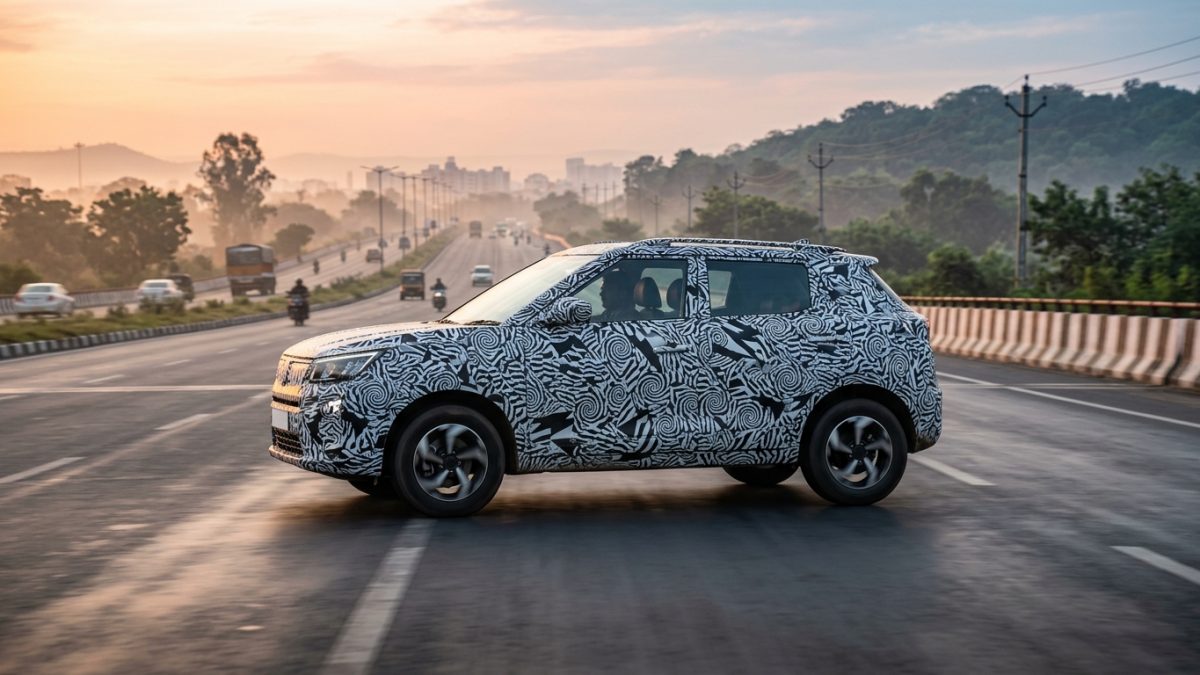
Sport utility vehicles and crossovers now dominate overall passenger vehicle bookings across India. When evaluating an upcoming suv in india, buyers prioritize elevated ground clearance, enhanced water-wading capabilities, and high seating positions.
The sub-compact and compact segments are seeing substantial feature migration. Advanced driver assistance features and 360-degree parking cameras are no longer reserved for luxury flagships.
| SUV Model | Target Segment | Expected Launch | Key Rivals |
|---|
| Hyundai Bayon | Compact Crossover | October 2026 | Fronx, Nexon, Sonet, Kylaq |
| Mahindra Thar Facelift | Compact Lifestyle 4x4 | Late Sept / Oct 2026 | Jimny, Force Gurkha 3-Door |
| Maruti Grand Vitara Facelift | Mid-Size SUV | October 2026 | Creta, Seltos, Hyryder, Elevate |
| Tata Safari EV | Full-Size 7-Seater EV | Oct / Nov 2026 | Mahindra XEV 9e, BYD Atto 3 |
Dual-cylinder and underbody flat-bed packaging have resolved previous trunk room compromises in bi-fuel SUVs. Family buyers no longer have to sacrifice holiday luggage space to benefit from CNG fuel economy.
Upcoming Electric Cars in India and Hybrid Alternatives
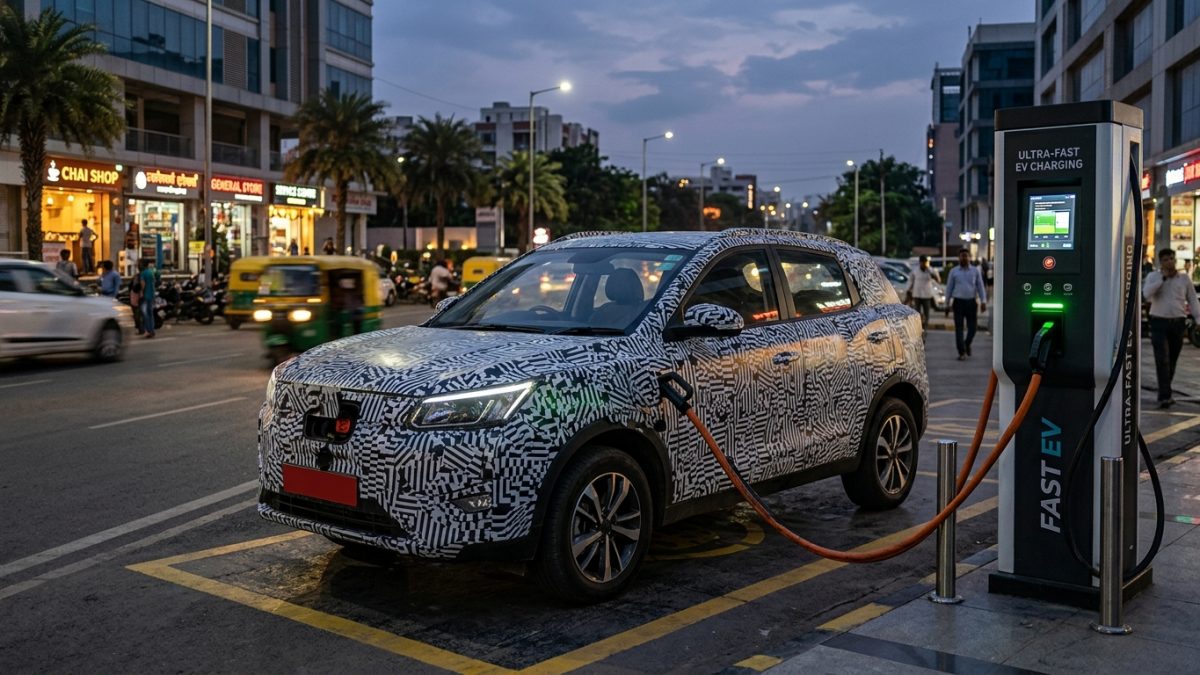
Green mobility is expanding rapidly across both pure battery-electric vehicles and strong hybrids. Modern upcoming electric cars in india are moving toward dedicated skateboard platforms that yield spacious flat floors and generous battery capacities.
Tata Safari EV: Dedicated 3-Row Electric Flagship
The Tata Safari EV introduces Tata's pure electric powertrain to the 3-row segment, built on the acti.ev+ architecture. It enters showrooms between October and November 2026 with an estimated price band of ₹24.00 Lakh to ₹31.50 Lakh.
Key specifications include:
- Battery Capacities: 65 kWh and 75 kWh liquid-cooled packs.
- Drivetrain: Single-motor front-wheel drive and dual-motor all-wheel drive configurations.
- Driving Range: Claimed 550 km to 600 km on the MIDC cycle, with estimated highway real-world range spanning 400 km to 450 km.
- DC Fast Charging: Supports 100 kW+ chargers, enabling a 10% to 80% charge in roughly 40 minutes.
- Smart Energy Sharing: Equipped with Vehicle-to-Load (V2L) and Vehicle-to-Vehicle (V2V) power output capabilities.
The electric Safari features a 12.3-inch floating infotainment screen, a panoramic sunroof, gesture-operated tailgate, ventilated 1st and 2nd-row seats, and seven airbags within a 5-star Bharat NCAP structural shell.
Warning: Real-world electric vehicle highway range drops by 20% to 25% compared to MIDC test ratings due to higher aerodynamic drag, continuous high-speed cruising, and cabin climate control loads.
Strong Hybrids vs. Pure Battery Electric
Buyers looking for low emissions without charging dependency can opt for upcoming hybrid cars in india like the Grand Vitara facelift. Its series-parallel hybrid system self-charges through regenerative braking, achieving city fuel economy above 25 km/l without plug-in cables.
In the luxury and premium electric sectors, manufacturers are also preparing high-end entries like the Skoda Enyaq iV (₹50–₹55 Lakh) and the flagship 7-seater Volvo EX90, scheduled for October 12, 2026.
Budget-Friendly Choices: Upcoming Cars Under 10 Lakh
First-time car buyers and urban families have notable options arriving in the sub-₹10 Lakh window. Rising vehicle prices have made this segment intensely competitive as manufacturers seek to pack premium tech into accessible price points.
Toyota Glanza Facelift
Toyota will officially launch the refreshed Glanza on October 14, 2026, with an estimated ex-showroom pricing span of ₹6.80 Lakh to ₹10.30 Lakh. The hatchback mirrors updates applied to its platform sibling, the Maruti Baleno.
- Engine: 1.2L petrol engine generating ~89 PS and 113 Nm of torque, paired with a 5-speed manual or AMT (claimed mileage: ~22.5 km/l).
- Factory E-CNG: Bi-fuel version delivering an economical ~30.6 km/kg.
- Interior & Safety: Revised front bumper, 9-inch SmartPlay Cast screen, wireless charging, Heads-Up Display (HUD) on higher trims, and standard six airbags across all variants.
Other budget-conscious options arriving near the festive season include base trims of the Hyundai Bayon (starting around ₹8.00 Lakh) and the Tata Aeris sub-compact entry car (estimated between ₹5.49 Lakh and ₹8.85 Lakh).
| Budget Model | Starting Price (Est.) | Powertrain Options | Claimed Fuel Economy |
|---|
| Toyota Glanza Facelift | ₹6.80 Lakh | 1.2L Petrol / E-CNG | 22.5 km/l / 30.6 km/kg |
| Hyundai Bayon (Base) | ₹8.00 Lakh | 1.2L Petrol | 18.5 km/l |
| Tata Aeris | ₹5.49 Lakh | 1.2L Petrol / CNG | ~19.0 km/l |
| Maruti Baleno Update | ₹6.60 Lakh | 1.2L Petrol / CNG | 22.5 km/l |
Upcoming 7 Seater Cars in India for Large Families
Family buyers requiring three rows of seating have dedicated launches arriving before the end of the year. The Tata Safari EV stands as the primary three-row all-electric SUV, while high-end buyers can anticipate the Volvo EX90 flagship on October 12, 2026.
Three-row vehicles in the Indian market require careful cabin packaging to ensure usable third-row legroom alongside adequate luggage volume behind the rearmost seats. The acti.ev+ architecture used by Tata positions battery modules beneath the floorboard, preventing third-row floor elevation and preserving adult knee room.
Pre-Booking Rules, Token Deposits and Refund Policies
Automobile manufacturers open token pre-bookings two to six weeks ahead of a scheduled upcoming car launch. This allows brands to assess regional variant demand, adjust factory schedules, and allocate dealership inventory.
- Select the booking channel: Place your booking through the official manufacturer website (such as Maruti Suzuki Arena, Tata Motors Passenger Vehicles, Hyundai India, or Mahindra Auto) or visit an authorized physical dealership.
- Submit personal identity details: Provide your name, contact phone number, address, and select your preferred variant and color choice.
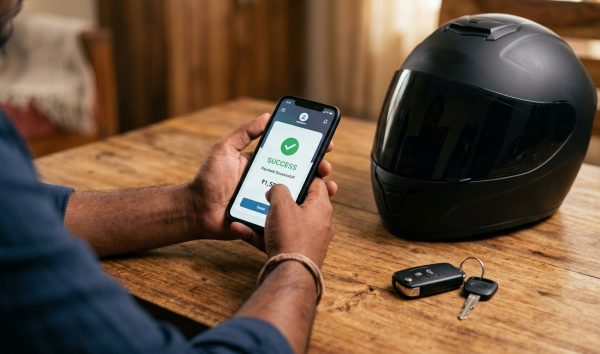
- Deposit the booking amount: Pay the token fee, which generally ranges from ₹11,000 to ₹25,000 for mass-market vehicles, and ₹50,000 to ₹2,00,000 for luxury models.
- Obtain the booking receipt: Retain the digital booking confirmation or stamped dealership docket featuring your unique booking reference number.
Warning: Pre-booking a car before its official launch does not lock in introductory launch pricing unless the manufacturer gives a written "Price Protection Guarantee." Cars are invoiced at the ex-showroom price valid on the delivery invoicing date.
If you decide to cancel your booking prior to the official price announcement, manufacturer policies dictate a 100% refund with zero deductions. However, if you cancel after prices are declared or after a vehicle identification number (VIN) is allotted, dealers may charge an administrative fee between ₹500 and ₹2,000. Online refunds typically take 7 to 21 business days to return to your original source account.
Statutory Buying and Parivahan RTO Registration Process

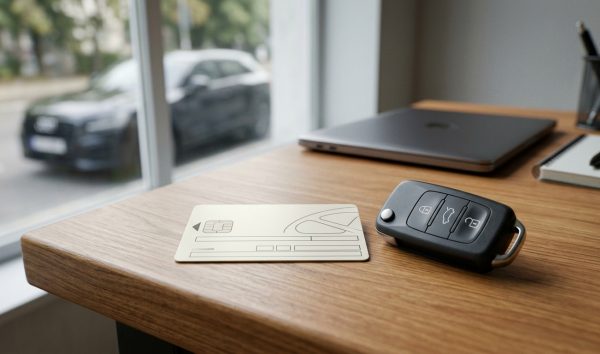
Under the Ministry of Road Transport and Highways (MoRTH) digital Vahan 4.0 system, dealer-point registration is active across nearly all states. Buyers no longer need to physically present new vehicles at local RTO offices.
Mandatory Documents for Vehicle Purchase
- Identity and Address Proof: Aadhaar card with an active linked mobile number for OTP e-KYC authentication, or passport/voter ID.
- PAN Card: Mandatory under Rule 114B of the Income Tax Rules (Form 60/61 if PAN is absent).
- Photographs: Two recent passport-size photographs of the vehicle owner.
- Manufacturer Forms: Form 20 (Application for Registration), Form 21 (Sale Certificate), and Form 22/22A (Roadworthiness and Pollution Compliance) generated directly by the dealer.
- Motor Insurance: Valid insurance policy with mandatory 3-year Third-Party liability coverage.
- FASTag: RFID tag linked to the vehicle chassis number prior to showroom departure.
Dealer Registration Workflow on Vahan 4.0
- Invoice and documentation generation: The dealer uploads chassis and engine numbers to the Parivahan Sewa portal to generate Forms 20, 21, and 22.
- Aadhaar e-KYC verification: The buyer completes digital authentication via an Aadhaar-linked OTP.
- Tax payment submission: The dealership calculates and remits statutory road taxes and registration fees online.
- Registration number assignment: Parivahan generates the new vehicle registration mark or assigns a pre-selected fancy number.
- HSRP installation: The dealer affixes High Security Registration Plates and the fuel-type sticker before handing over the keys.
If you are purchasing a replacement vehicle or trading in your old car, you can quickly verify vehicle ownership, fitness status, and registration validity through an online RC details check.
Road Tax and EV Exemption Disparities Across States
One-Time Registration Tax (OTR) varies sharply across states. For internal combustion petrol and diesel vehicles, road tax generally sits between 7% and 15% of the vehicle's ex-showroom value.
- High-Tax States: Karnataka, Maharashtra, and Kerala levy between 12% and 17% on vehicles priced above ₹10 Lakh. Diesel cars typically attract an additional 2% surcharge over petrol models.
- Moderate-Tax Regions: Delhi, Haryana, and Chandigarh charge between 6% and 10%.
- Electric Vehicle Benefits: States like Uttar Pradesh, Delhi, Tamil Nadu, and Maharashtra offer full 0% road tax waivers on pure electric passenger vehicles. However, states like Telangana and Haryana periodically adjust or cap EV tax concessions based on subsidy quotas.
- Tax Collected at Source (TCS): A flat 1% TCS applies under tax regulations to any vehicle with an ex-showroom invoice exceeding ₹10,00,000.
Crucial Traps to Avoid During Festive Car Buying
The rush of festive deliveries often exposes car buyers to dealership pressure tactics and procedural oversights.
1. Unnecessary Accessory Bundling
Dealerships frequently claim that high-margin accessory packages (ranging from ₹20,000 to ₹50,000) are mandatory for festive priority delivery. These accessory packages are purely optional. Furthermore, buyers have the legal right to procure motor insurance independently from third-party insurers, provided the policy matches dealer coverage tiers.
2. Multiple Booking Deductions
Shoppers often pre-book two or three competing models to see which dealership delivers first. When canceling secondary bookings, dealerships may stall refunds beyond 30 days or attempt unauthorized processing deductions. Ensure your pre-booking receipt clearly states "100% refundable before price announcement" in writing.
3. Delivery Without HSRP Plates
Never take delivery of a new vehicle on a temporary sticker or without physical HSRP plates installed. Driving an unregistered vehicle or driving without proper HSRP plates violates Section 39 and Section 192 of the Motor Vehicles Act, carrying roadside fines between ₹5,000 and ₹10,000. Follow the official HSRP number plate booking guide to ensure your plate issuance and fitment are fully compliant.
Before you drive your new car off the showroom floor, ensure all paperwork is in order and verify that no pending documentation issues exist. You can monitor your vehicle's compliance status using a quick e-challan status search to confirm your registration records are clean across national databases.
Conclusion
Keeping track of upcoming cars in India during the late 2026 festive window allows you to compare powertrain options, plan your budget, and avoid dealership markups. Whether you are eyeing an urban crossover like the Hyundai Bayon, a rugged off-roader like the Thar facelift, or an electric three-row like the Safari EV, secure your pre-booking early to reduce waiting periods.
Always verify introductory price protection terms and ensure your dealer completes your Vahan 4.0 registration and HSRP plate installation before taking delivery.