Key Takeaways
- Massive festive surge across October 2026 brings hybrids, crossovers, and micro-EVs to Indian roads.
- Level 2 ADAS, six airbags, and ESC are now standard across most sub-₹15 lakh cars.
- Top upcoming launches include the Hyundai Bayon, Renault Duster Hybrid, and Toyota Glanza Facelift.
- RTO vehicle registration happens seamlessly at the dealership through Vahan 4.0 integration.
- Price lock clauses depend on delivery date rather than initial booking dates.
Planning your next vehicle upgrade requires knowing the best upcoming cars in India with confirmed specifications and transparent timelines. As of October 2026, automakers are expanding their lineups with high-efficiency hybrids, refreshed entry hatchbacks, and compact crossovers featuring Level 2 ADAS and six standard airbags.
| Upcoming Model | Expected Launch Date | Expected Ex-Showroom Price | Powertrain / Fuel |
|---|
| Toyota Glanza Facelift | 14 October 2026 | ₹6.75 Lakh – ₹9.80 Lakh | 1.2L Petrol / CNG |
| Renault Duster Hybrid | 17 October 2026 | ₹18.00 Lakh – ₹20.50 Lakh | 1.8L Strong Hybrid |
| VinFast VF3 | 19 October 2026 | ₹9.50 Lakh – ₹10.50 Lakh | 18.64 kWh Electric |
| Volkswagen Virtus Facelift | Late October 2026 | ₹11.99 Lakh – ₹19.40 Lakh | 1.0L / 1.5L TSI Petrol |
| Hyundai Bayon | Mid-to-late October 2026 | ₹9.49 Lakh – ₹14.50 Lakh | 1.5L Petrol / CNG |
Upcoming Cars in India: Key Automotive Trends in 2026
The domestic automobile landscape is undergoing major technological shifts. Car manufacturers are aligning vehicle unveilings between Navratri, Dussehra, and Diwali to tap into elevated festive buying sentiment across metro and tier-2 markets.
Powertrain options are dividing into three clear tracks. Automakers are balancing strong hybrid setups, purpose-built electric skateboards, and refined BS6 Phase 2 OBD-2 compliant turbo-petrol powertrains. This balances performance needs against stringent corporate average fuel efficiency demands.
Safety engineering has advanced rapidly across segments. Six airbags, Electronic Stability Control (ESC), ISOFIX child-seat anchors, and three-point seatbelts for all passengers are baseline equipment. Manufacturers also actively submit new chassis designs to Bharat NCAP to secure certified crash-test credentials before commencement of deliveries.
Always verify whether an advertised starting price applies at delivery or only at the time of pre-booking, as introductory prices often expire after initial batches.
Major Upcoming Launches Arriving in the Coming Months
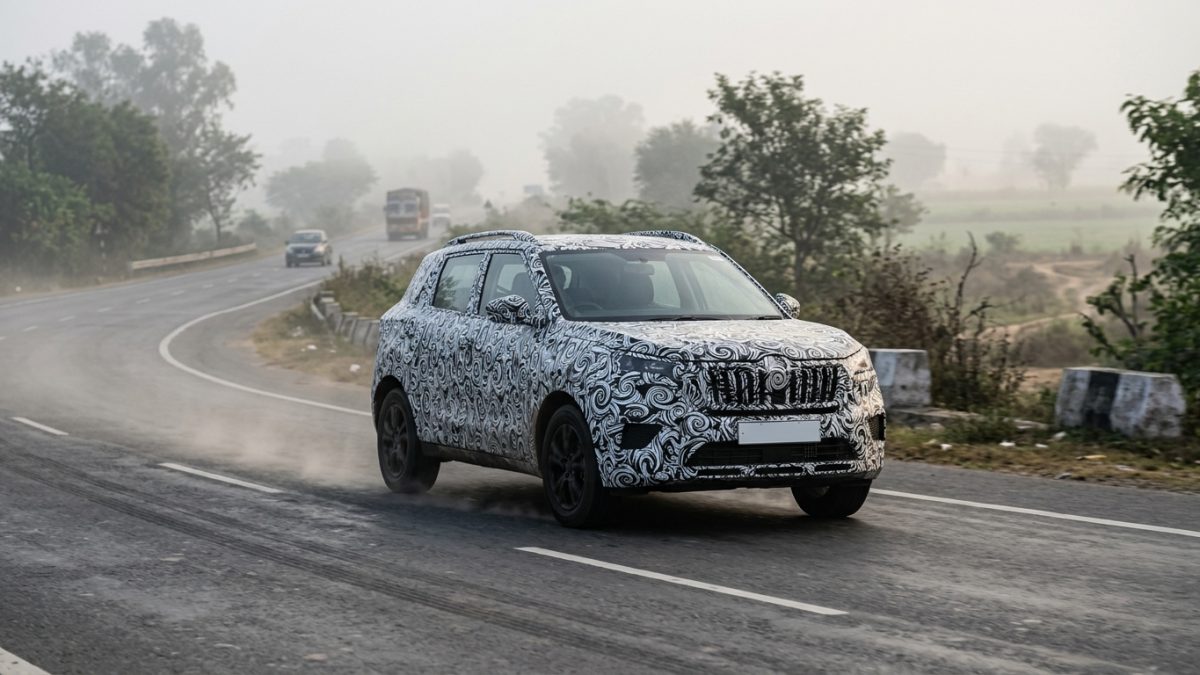
Several major passenger vehicles are lined up for formal commercial rollouts. Below is a breakdown of technical specifications, equipment lists, and pricing for the most anticipated models.
1. Hyundai Bayon
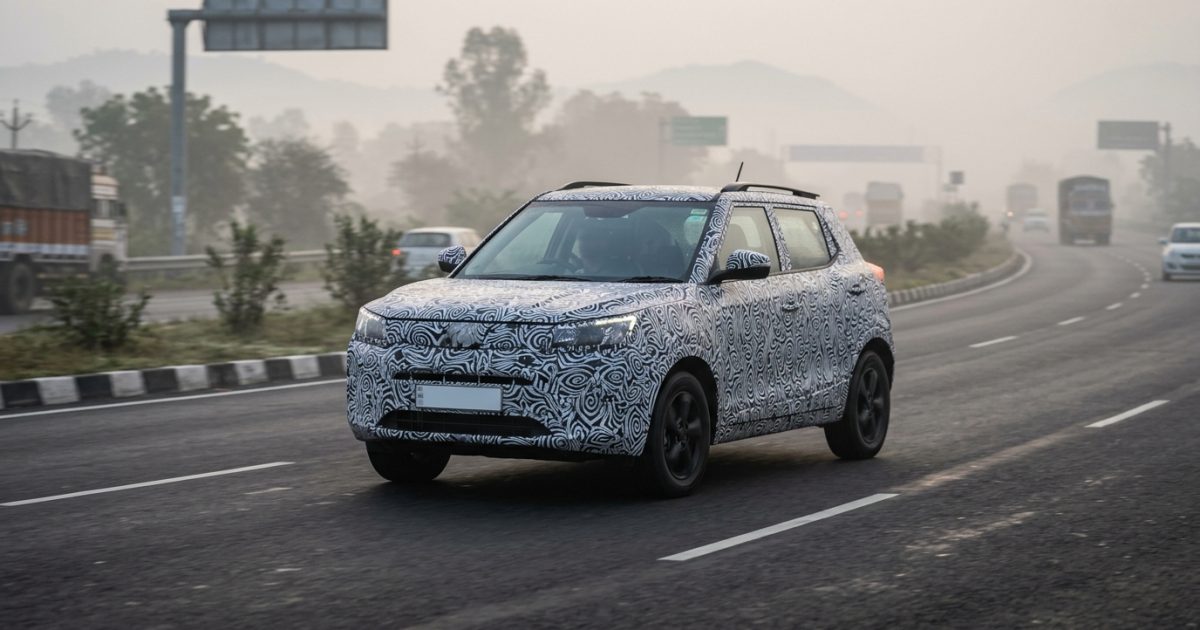
Hyundai is entering the cross-hatch segment with the Bayon, slotted between the Venue and the Creta. Built on Hyundai’s Global K Enhanced platform, this crossover measures approximately 4,200 mm in length.
- Expected Launch Date: Mid-to-late October 2026 (Bookings open for ₹11,000).
- Expected Ex-Showroom Price: ₹9.49 lakh to ₹14.50 lakh (Top-end CVT variants reaching ₹15.49 lakh).
- Engine & Transmission: 1.5-litre MPi 4-cylinder petrol (113.2 bhp, 143.8 Nm) with 6-speed MT and IVT automatic; factory dual-cylinder CNG variant planned for manual trims.
- Key Features: Twin 10.25-inch integrated screens, ventilated front seats, electric sunroof, generative AI voice assistant, 360-degree camera, and Level 2 ADAS.
- Rivals: Maruti Suzuki Fronx, Toyota Urban Cruiser Taisor, Skoda Kushaq, and Honda Elevate.
2. Renault Duster Hybrid (E-Tech 160)
The iconic Duster badge returns to India with a dedicated strong-hybrid system. For drivers seeking long-range efficiency, this system provides substantial city fuel savings.
- Expected Launch Date: 17 October 2026.
- Expected Ex-Showroom Price: ₹18.00 lakh to ₹20.50 lakh.
- Powertrain: 1.8-litre 4-cylinder petrol paired with twin electric motors and a 1.4 kWh battery, producing 160 bhp and 172 Nm torque via a multi-mode clutchless transmission.
- Claimed Efficiency: 22 to 25 km/l, with up to 80% city commuting in pure electric mode and an overall range near 1,000 km.
- Safety & Cabin Tech: 10.1-inch OpenR Link display with built-in Google services, Level 2 ADAS suite with 17 autonomous functions, and electronic parking brake.
- Rivals: Maruti Suzuki Grand Vitara Hybrid and Toyota Urban Cruiser Hyryder Hybrid.
3. Toyota Glanza Facelift
Toyota is updating its premium hatchback with sharper aesthetics and expanded equipment. It caters directly to city drivers looking for minimal maintenance bills.
- Expected Launch Date: 14 October 2026.
- Expected Ex-Showroom Price: ₹6.75 lakh to ₹9.80 lakh.
- Engine Specs: 1.2-litre DualJet K-Series petrol (89 bhp, 113 Nm) mated to a 5-speed MT or 5-speed AMT; factory-fitted CNG variant delivering 76.4 bhp.
- Fuel Economy: Approximately 22.3 km/l (Petrol) and 30.6 km/kg (CNG).
- Key Updates: Redesigned grille, updated LED daytime running lamps, heads-up display (HUD), 360-degree camera, and 9-inch SmartPlay Pro+ touchscreen.
4. Volkswagen Virtus Facelift
Following updates to the Skoda Slavia, the Volkswagen Virtus receives exterior revisions and interior upgrades. It retains its five-star safety credentials under Bharat NCAP protocols.
- Expected Launch Date: Late October 2026 (~25 October 2026).
- Expected Ex-Showroom Price: ₹11.99 lakh to ₹19.40 lakh.
- Powertrains: 1.0-litre TSI turbo-petrol (115 bhp, 178 Nm) with 6-speed MT or new 8-speed torque converter automatic; 1.5-litre TSI EVO (150 bhp, 250 Nm) with 7-speed DSG.
- New Features: Matrix LED headlights, 360-degree surround camera, front ventilated seats, and revised rear seat cushioning.
- Rivals: Skoda Slavia, Hyundai Verna, and Honda City.
5. VinFast VF3 Micro-EV
Vietnamese EV maker VinFast is entering India's entry-level electric space with the compact, two-door VF3 mini-SUV designed for urban mobility.
- Expected Launch Date: 19 October 2026.
- Expected Ex-Showroom Price: ₹9.50 lakh to ₹10.50 lakh.
- Battery & Motor: 18.64 kWh LFP battery powering a single rear motor (43 bhp, 110 Nm) with a claimed range of 210 km (170–190 km expected on Indian cycles).
- Dimensions: 191 mm ground clearance, 16-inch wheels, and a 10-inch single multifunction screen.
- Rivals: MG Comet EV and Tata Tiago EV.
For more electric alternatives launching this season, check our round-up of upcoming electric cars in India.
New Upcoming Cars in India Under 10 Lakh and Under 15 Lakh
Budget-conscious car buyers have multiple compelling choices landing across value-focused brackets. You can read detailed entry-level coverage in our review of new cars under 10 lakh in India.
| Budget Category | Model | Expected Price | Target Buyer |
|---|
| Under ₹10 Lakh | Toyota Glanza Facelift | ₹6.75 – ₹9.80 Lakh | Daily city commuting, high fuel mileage |
| Under ₹10 Lakh | Hyundai Bayon (Base MT) | ₹9.49 – ₹9.79 Lakh | Spacious 4.2m footprint, 4-cylinder engine |
| Under ₹10 Lakh | VinFast VF3 | ₹9.50 – ₹10.50 Lakh | Affordable urban electric runabout |
| Under ₹10 Lakh | Tata Aeris / Nissan Gravite | ₹6.50 – ₹9.90 Lakh | Family practicality with factory CNG / 7 seats |
| Under ₹15 Lakh | Hyundai Bayon (Mid/Top) | ₹10.50 – ₹14.50 Lakh | Tech features, Level 2 ADAS, automatic |
| Under ₹15 Lakh | Volkswagen Virtus 1.0L TSI | ₹11.99 – ₹14.80 Lakh | German ride stability, 8-speed automatic |
Upcoming 7-Seater Cars in India
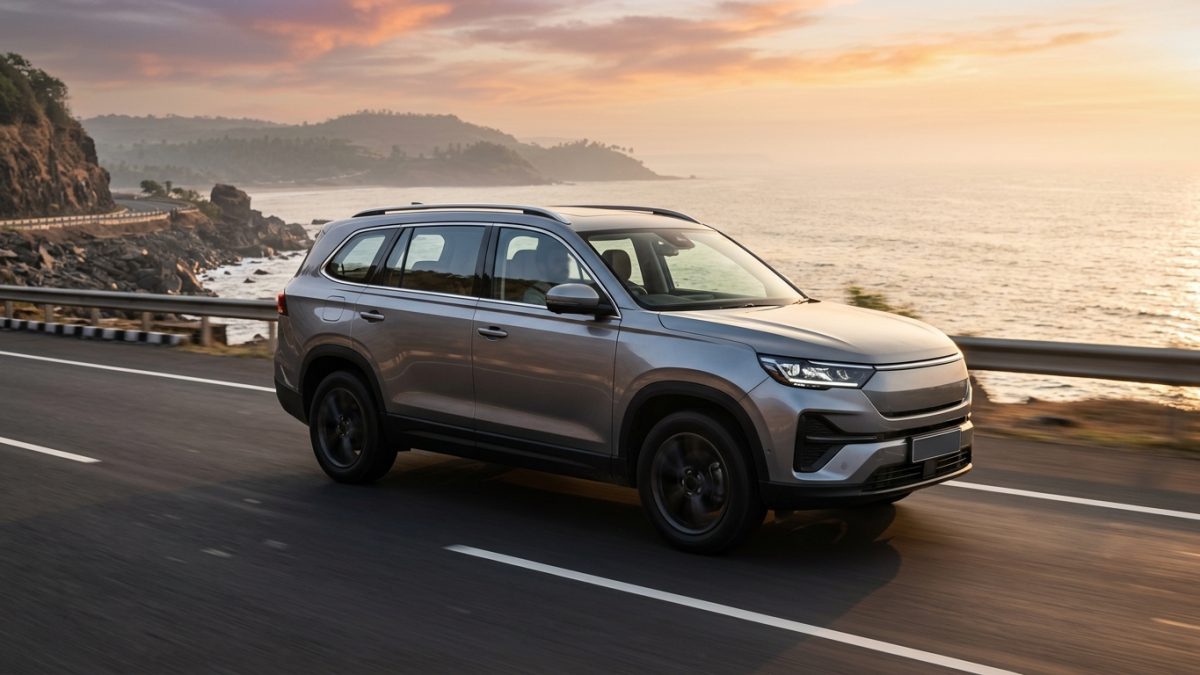
Family buyers needing three rows of seating have several key launches arriving between late 2026 and early 2027. These span modular MPVs up to full-size rugged SUVs.
- Renault Bigster: The 7-seater extension of the Duster platform, offering a 2.7-metre wheelbase and sharing the 1.8-litre E-Tech hybrid powertrain. Expected price spans ₹13 lakh to ₹19 lakh.
- Maruti Suzuki Grand Vitara 3-Row (Y17): Slated with mild-hybrid and strong-hybrid engines, providing a fuel-efficient three-row option between ₹14 lakh and ₹22 lakh.
- Toyota Urban Cruiser Hyryder 7-Seater: The mechanical sibling to Maruti’s 3-row SUV, rolling out of Toyota’s Bidadi manufacturing plant.
- Nissan Gravite: A compact family MPV derived from the Renault-Nissan modular platform, engineered to offer three rows under the ₹10 lakh to ₹12 lakh price bracket.
- MG Majestor: Slated above the Gloster to rival the Toyota Fortuner, featuring a 2.0-litre twin-turbo diesel engine and advanced Level 2 ADAS.
- Tata Safari EV: Premium all-electric 7-seater carrying a 60–70 kWh battery pack, dual-motor AWD layout, and 500+ km driving range (expected price ₹30–₹35 lakh).
Festive Discounts vs Waiting for Upcoming Car Launches
Deciding between buying an existing discounted model or holding out for a new car launch comes down to pricing dynamics versus product generation updates.
When You Should Buy Existing Stock
Opting for a current model makes financial sense if maximum upfront savings matter most. Authorized dealerships offer cash discounts, exchange bonuses, and corporate savings ranging between ₹35,000 and ₹75,000+ on outgoing inventory like the pre-facelift Baleno, Glanza, or Nexon. Furthermore, buying current inventory guarantees immediate vehicle delivery, bypassing the multi-month waiting queues common to brand-new releases.
When You Should Wait for Upcoming Launches
Waiting for a new model pays off if you want next-generation technology. Upcoming models like the Renault Duster Hybrid deliver up to 25 km/l in real-world running, while the Hyundai Bayon introduces standard six airbags and Level 2 ADAS. Furthermore, purchasing a newly launched model protects your vehicle against immediate generation obsolescence, yielding higher market resale value when you sell four or five years down the line.
If you plan to sell your existing car to fund a new purchase, check your pending traffic fines using VahanX e-challan search so vehicle transfer proceeds smoothly.
RTO Registration Process for New Cars via Vahan 4.0
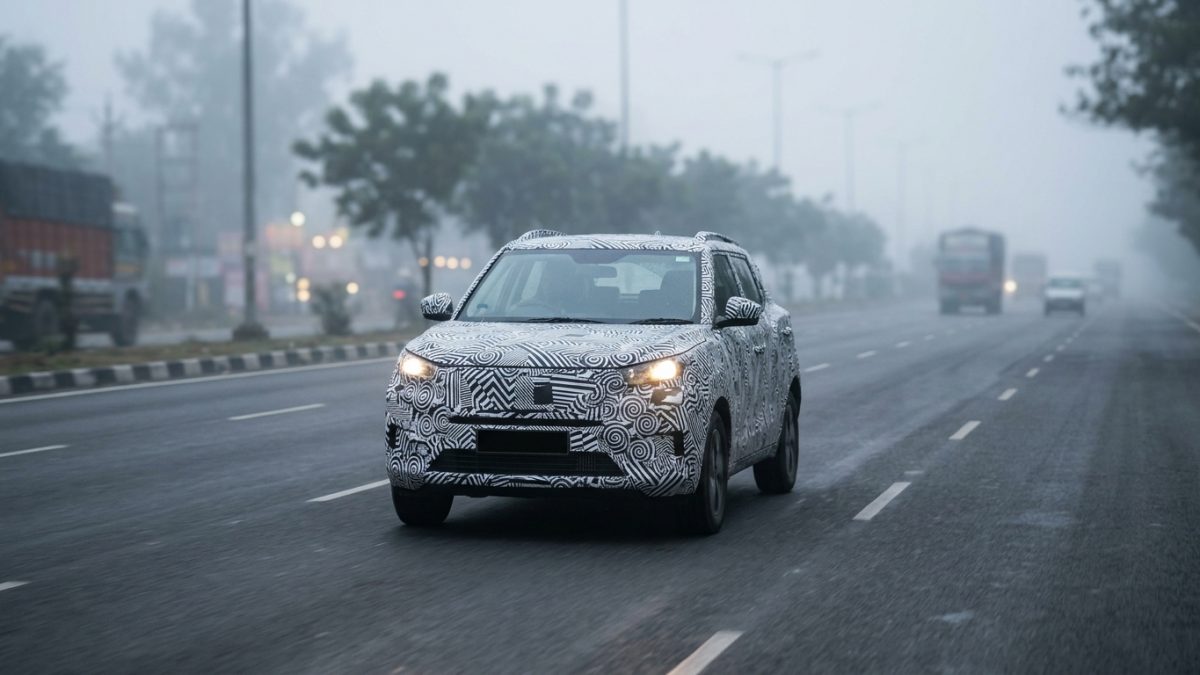
In India, buyers do not need to make physical visits to the Regional Transport Office for newly purchased private passenger cars. The Ministry of Road Transport and Highways (MoRTH) has automated dealer-point registration across most states through the Vahan portal.
- Physical Inspection and Chassis Verification: Once the vehicle arrives from the factory, the dealership stockyard verifies the punched engine number and chassis number against the manufacturer invoice.
- Uploading Paperwork to Parivahan: The dealer uploads scanned application forms and buyer identity documents to the official portal at vahan.parivahan.gov.in.
- Online Tax and Registration Fee Settlement: State motor vehicle tax, registration fees, and smart card fees are calculated and paid electronically through the integrated gateway.
- Digital Verification and Number Generation: The local RTO verifies the application digitally without demanding a physical vehicle presentation, generating an automated registration mark.
- Affixing HSRP and FASTag: The dealership stamps the authorized High Security Registration Plates (HSRP) and fixes the mandatory FASTag RFID sticker on the windshield before delivery.
Before taking delivery, you can check your car's registration and RC details through the VahanX RC search tool to verify that engine, chassis, and hypothecation details match your invoice.
Mandatory Documents and State Road Tax Rules
To avoid delivery roadblocks, ensure the dealership has your paperwork compiled ahead of delivery day.
Documents Required for Registration
- Form 20: Application form for motor vehicle registration.
- Form 21: Official sale certificate issued by the authorized automobile dealership.
- Form 22 / 22A: Roadworthiness and pollution compliance certificate issued by the car manufacturer.
- Motor Insurance Policy: Mandatory active insurance with at least three years of third-party coverage and one year of own-damage coverage.
- Identity and Address Proof: Aadhaar Card (via e-KYC), Passport, Voter ID, or utility bills.
- PAN Card: Copy of PAN card or Form 60 declaration.
State Road Tax Structures as of October 2026
Road tax varies widely across Indian states, creating substantial on-road pricing gaps for identical car variants:
| Vehicle Category | Typical State Road Tax Rate | Special State Exemptions |
|---|
| Petrol/Diesel (Under ₹10 Lakh) | 6% to 14% of vehicle cost | Higher rates apply in Karnataka, Kerala, and Maharashtra. |
| Petrol/Diesel (Above ₹10 Lakh) | 10% to 18%+ of vehicle cost | Delhi, Haryana, and Gujarat feature lower tax brackets. |
| Electric Vehicles (BEVs) | 0% to 5% road tax | Delhi, UP, Maharashtra, and Karnataka offer full/partial waivers. |
| Strong Hybrids | Standard ICE tax (or concessional) | Selective registration fee waivers offered in states like UP. |
Bharat Series (BH Series) Tax Slabs
Central and State government employees, defence personnel, and private employees with registered offices in four or more states or Union Territories can opt for BH Series plates. Road tax is paid biennially (every 2 years):
- Vehicles priced below ₹10 Lakh: 8%
- Vehicles priced between ₹10 Lakh and ₹20 Lakh: 10%
- Vehicles priced above ₹20 Lakh: 12%
- Note: Diesel variants add a 2% surcharge, while electric vehicles receive a 2% concession.
Dealer handling and logistics charges are illegal under transport ministry rulings. Challenge unexpected handling fees added to your final on-road invoice.
Conclusion
The upcoming cars in India arriving this festive season present clear technological advancements, featuring strong hybrid efficiency, accessible Level 2 ADAS, and standardized six airbags across key segments. Whether you choose to book the Hyundai Bayon, Renault Duster Hybrid, or Toyota Glanza Facelift, compare on-road road tax breakdowns carefully before putting down your booking token.
Before bringing your new car home, track paperwork digitally and verify your registration record using VahanX vehicle services to ensure smooth, hassle-free ownership from day one.