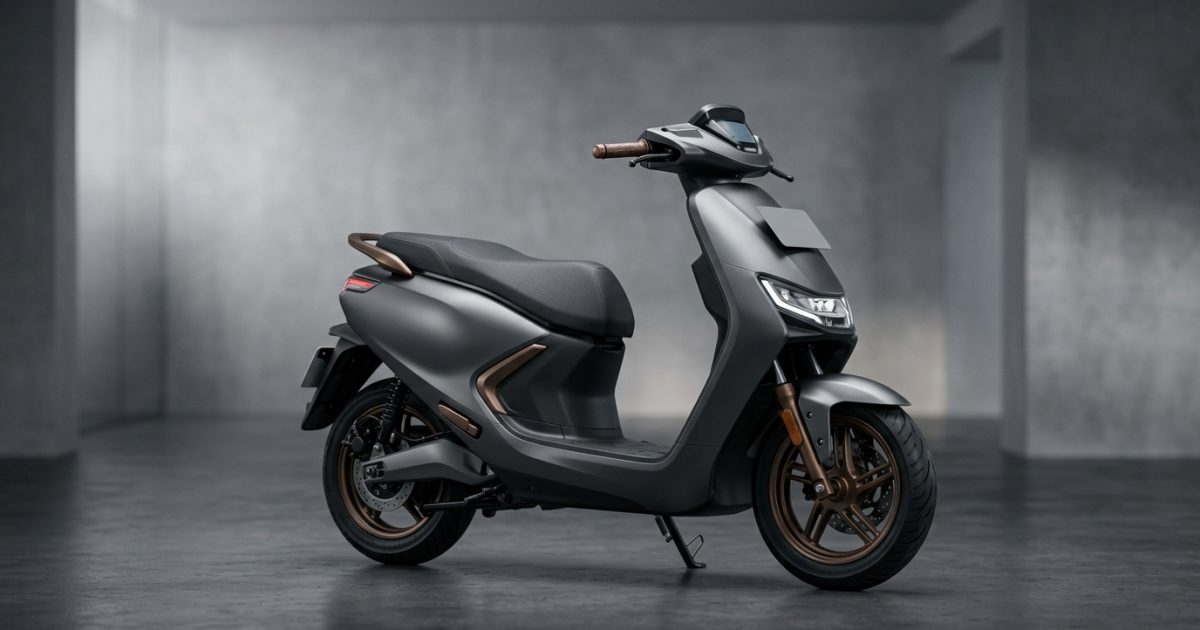
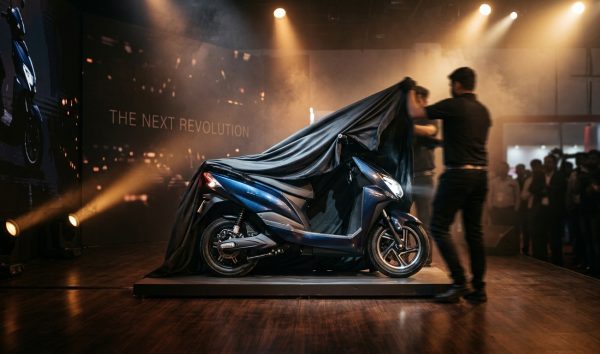
A new scooter launch in India brings smarter powertrains, larger luggage capacity, and micro-hybrid assist to daily commuters ahead of the festive season. Led by the all-new TVS Jupiter 110 and the overhauled Hero Destini 125, the latest 2026 petrol scooter models focus on E20 fuel readiness, OBD-2B compliance, and realistic fuel economy ranging from 45 to 63 kmpl.
Key Takeaways
- The new TVS Jupiter 110 introduces an under-floor fuel tank, 33-litre boot, and iGO Assist micro-hybrid technology.
- The Yamaha RayZR 125 Fi Hybrid remains the best mileage scooter in India with an ARAI claim of 71.33 kmpl.
- Hero Destini 125 new model adds a 785 mm seat, 12-inch wheels, and i3S stop-start convenience.
- Mandatory 5-year insurance packages and state RTO road taxes add ₹14,000 to ₹22,000 to ex-showroom prices.
| Scooter Model | Engine & Output | Ex-Showroom Price (Delhi) | Real-World Mileage |
|---|
| TVS Jupiter 110 | 113.3 cc (8.02 PS, 9.8 Nm) | ₹73,700 – ₹90,100 | 48 – 53 kmpl |
| Hero Destini 125 | 124.6 cc (9.0 bhp, 10.4 Nm) | ₹80,450 – ₹93,500 | 45 – 50 kmpl |
| Yamaha RayZR 125 Fi Hybrid | 125 cc (8.2 PS, 10.3 Nm) | ₹84,800 – ₹94,500 | 56 – 63 kmpl |
| Honda Activa 6G | 109.51 cc (7.79 PS, 8.9 Nm) | ₹76,684 – ₹82,800 | 48 – 54 kmpl |
| Suzuki Access 125 | 124 cc (8.7 PS, 10 Nm) | ₹79,800 – ₹91,500 | 48 – 52 kmpl |
Market Trends: What Defines a New Scooter Launch in India?
The commuter two-wheeler market in India has moved well beyond basic carburettor designs. The newest generation of family scooters combines low-displacement combustion engines with electric starter-generators to meet stringent efficiency benchmarks.
Automobile manufacturers schedule major line updates and fresh inventory dispatches between August and October to coincide with Ganesh Chaturthi, Navratri, Dussehra, and Diwali. Dealerships support these rollouts with retail finance interest rates starting around 6.99% to 7.99% alongside festive exchange bonuses worth ₹2,000 to ₹4,000.
Micro-Hybrid Powertrains and Torque Assist
Rather than standard starter motors, modern commuter models now rely on Smart Motor Generators (SMG) or Integrated Starter Generators (ISG). Systems like Yamaha Fi Hybrid and TVS iGO Assist deliver battery-powered torque boosts during initial acceleration, cutting fuel consumption in stop-and-go city traffic by 10% to 15%.
Regulatory Mandates: E20 Fuel and OBD-2B
Every new scooter launch arriving in authorised dealerships adheres to On-Board Diagnostics Level 2B (OBD-2B) emission protocols. These engines are factory-calibrated to run seamlessly on E20 petrol blends containing 20% ethanol without deteriorating fuel lines or internal valve seats.
Always verify that your purchase invoice confirms OBD-2B and E20 compliance before taking delivery to ensure hassle-free emission renewals and engine longevity.
Top Commuter Scooters: Pricing, Variants, and Mileage Breakdown
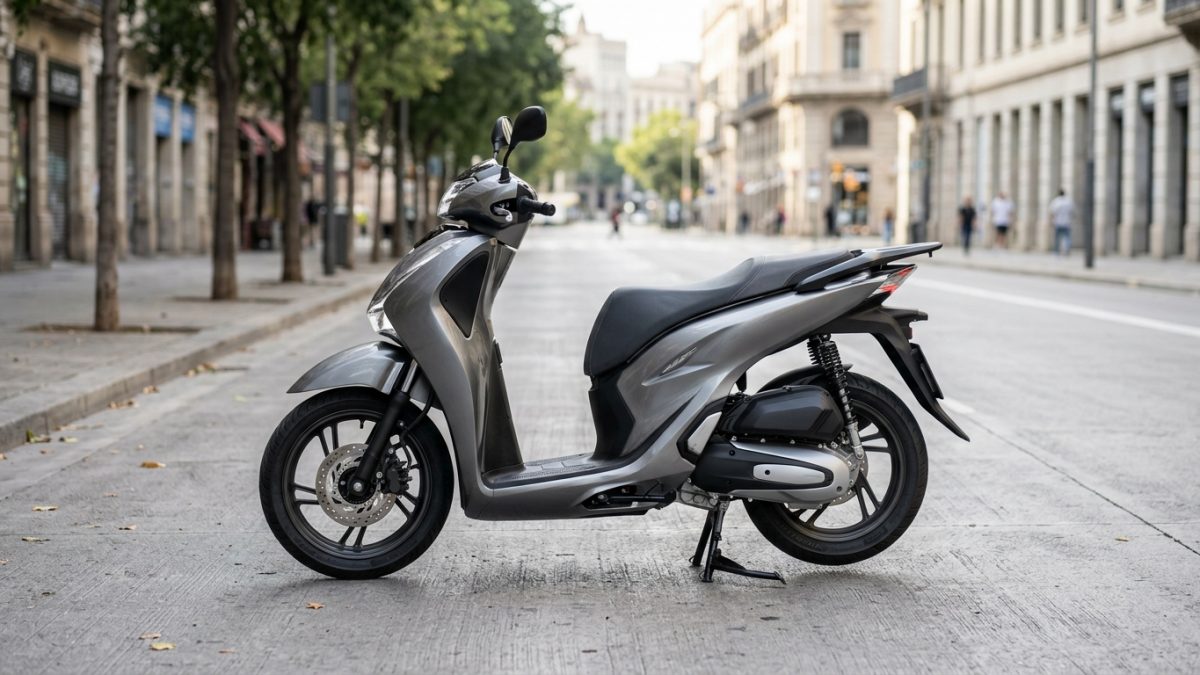
Choosing the latest scooter in India requires balancing ex-showroom figures against real-world fuel economy and utility. Here is how the prime contenders stack up for daily office commutes and household errands.
All-New TVS Jupiter 110
TVS has rebuilt the Jupiter 110 from the ground up on an all-new chassis. Designed to challenge the entry-level commuter segment, it moves the fuel tank beneath the floorboard to free up a class-leading 33-litre under-seat storage bay that holds two half-face helmets.
The updated 113.3 cc air-cooled engine develops 8.02 PS at 6,500 rpm. With iGO Assist electric boost engaged, torque reaches 9.8 Nm at 5,000 rpm, delivering responsive low-speed overtaking.
- New Jupiter 110 price range: ₹73,700 for the base Drum variant up to ₹90,100 for the SmartXonnect Disc Spectral Dual Tone (ex-showroom Delhi).
- Real-world mileage: Delivers 48 to 53 kmpl under mixed urban conditions against an ARAI rating of 58 to 60 kmpl.
- Standout equipment: External front-apron fuel filler, reverse LCD display, Bluetooth turn-by-turn navigation, and hazard brake lamp flashing.
- Official details: Explore configurations directly on the TVS Jupiter official portal.
Hero Destini 125 New Model
The refreshed Hero Destini 125 introduces sharp, retro-modern body panels alongside premium copper design accents. Hero has replaced the earlier 10-inch rear wheel setup with 12-inch wheels on both ends, improving stability over potholes and uneven patches.
Powered by a 124.6 cc single-cylinder engine producing 9.0 bhp and 10.4 Nm of torque, it uses Hero i3S (Idle Stop-Start System) to switch off the motor at traffic signals. The scooter features a 785 mm long single-piece seat, making it exceptionally comfortable for two adult riders.
- Hero Destini 125 new model price: ₹80,450 for the entry VX drum trim, climbing to ₹93,500 for the flagship ZX+ dual-tone edition.
- Real-world mileage: Returns 45 to 50 kmpl in heavy commuter traffic, supported by an ARAI benchmark of 59 kmpl.
- Official details: Check variant details on the Hero Destini official portal.
Yamaha RayZR 125 Fi Hybrid and Fascino 125
If fuel economy is your overriding priority, Yamaha hybrid twins represent the best mileage scooter in India. Tipping the scales at a lightweight 99 kg kerb weight, both models use an air-cooled 125 cc Blue Core engine producing 8.2 PS and 10.3 Nm torque.
The onboard Smart Motor Generator functions as an electric motor assist from dead stops. ARAI certifies the RayZR 125 at 71.33 kmpl and the retro-styled Fascino at 68.75 kmpl, with owners regularly seeing 56 to 63 kmpl during real-world city use.
- RayZR 125 Fi Hybrid price: ₹84,800 to ₹94,500 ex-showroom Delhi.
- Fascino 125 Fi Hybrid price: ₹81,200 to ₹93,800 ex-showroom Delhi.
- Key features: Silent ACG starter, side-stand engine inhibitor, and Y-Connect smartphone telemetry via the Yamaha Motor India portal.
Honda Activa 6G and Activa 125
The Honda Activa lineup continues to set the benchmark for long-term mechanical reliability and strong resale demand. The Activa 6G relies on a 109.51 cc eSP engine generating 7.79 PS, while the Activa 125 steps up to a 124 cc unit producing 8.30 PS and 10.4 Nm torque.
Both iterations feature durable metal body construction and the Combi-Brake System (CBS) with equalizer. Premium H-Smart variants incorporate smart key fobs enabling keyless ignition and remote vehicle locating via the HMSI Activa portal.
- Activa 6G price: ₹76,684 to ₹82,800 ex-showroom Delhi.
- Activa 125 price: ₹80,250 to ₹89,900 ex-showroom Delhi.
- Real-world mileage: 48 to 54 kmpl on the 110 cc version, and 45 to 50 kmpl on the 125 cc edition.
Suzuki Access 125: The Best 125cc Scooter in India Contender
The Suzuki Access 125 remains a dominant contender for the best 125cc scooter in India title thanks to its balanced power-to-weight ratio. Its 124 cc SEP engine produces 8.7 PS and 10 Nm of torque, delivering linear acceleration across mid-range speeds.
Priced between ₹79,800 and ₹91,500 ex-showroom Delhi, the Access offers 21.8 litres of under-seat storage, an external chrome fuel lid, and the optional Ride Connect Bluetooth display. In daily traffic, it delivers between 48 and 52 kmpl.
Before purchasing, test-ride scooters over broken pavement with a pillion passenger to assess rear suspension damping and floorboard legroom firsthand.
Scooter Price in India: Calculating Final On-Road Costs
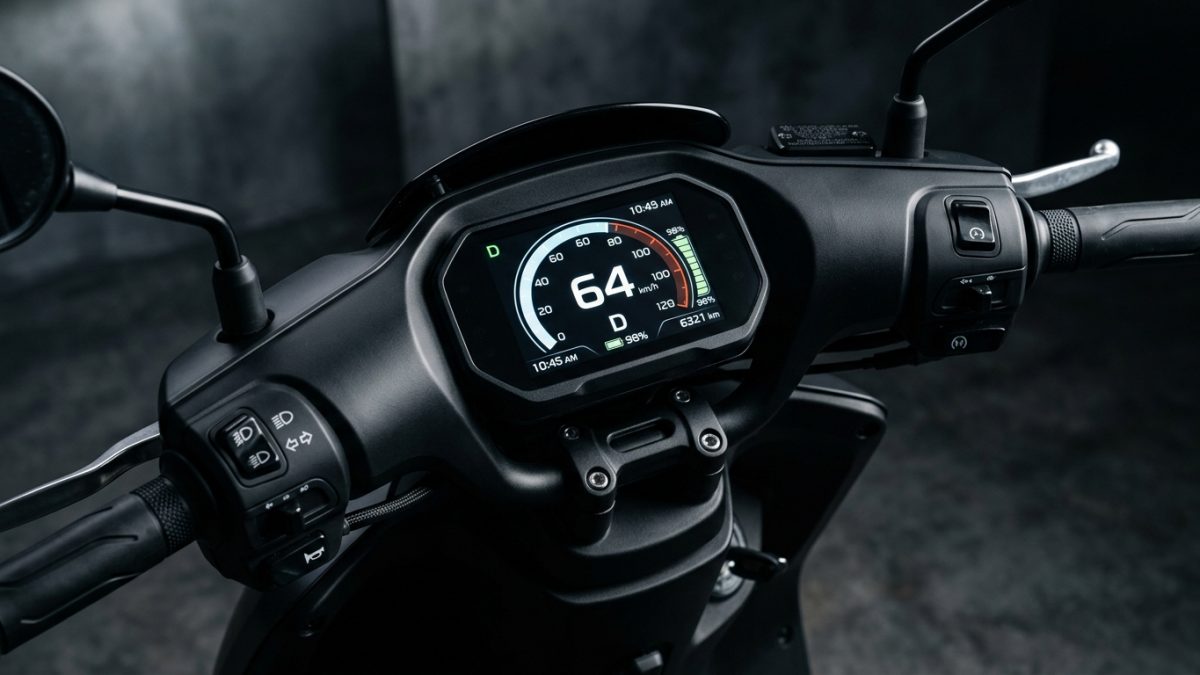
The ex-showroom sticker price never reflects what you pay to take delivery. When planning a budget for a new scooty launch 2026 purchase, expect total on-road markups between ₹14,000 and ₹22,000 depending on your state.
| Cost Component | Estimated Amount | Mandatory or Optional | Governing Authority |
|---|
| Ex-Showroom Base Price | ₹74,000 – ₹94,000 | Mandatory | Vehicle Manufacturer |
| State Road Tax (MVT) | ₹5,900 – ₹16,900 | Mandatory | State Transport Department |
| 5-Year Insurance Bundle | ₹5,800 – ₹7,200 | Mandatory | IRDAI Regulations |
| HSRP & Smart Card RC Fee | ₹500 – ₹1,000 | Mandatory | MoRTH / Parivahan Portal |
State Road Tax Variations
Motor Vehicle Tax (MVT) percentages on two-wheelers vary dramatically across state lines. In Delhi, Uttar Pradesh, and Haryana, the standard tax rate sits around 8% of vehicle value. Maharashtra levies between 10% and 12% for individual registrations.
Karnataka enforces the steepest road tax slabs in India at 12% to 18%. An ₹80,000 ex-showroom scooter costs approximately ₹6,400 in road tax in Delhi, but will surpass ₹10,000 in Bengaluru. You can consult your regional jurisdiction rules by looking up your RTO office address and code.
Mandatory 5-Year IRDAI Insurance Rules
Under regulations managed by the Insurance Regulatory and Development Authority of India, dealerships cannot release a brand-new two-wheeler without an active 5-year insurance contract. This policy consists of 1-year comprehensive coverage (protecting own damage and third-party liabilities) combined with 4 years of mandatory third-party liability cover.
Premiums generally total ₹5,800 to ₹7,200 depending on engine displacement. To understand mandatory policy tiers and inclusions, review our breakdown of third party bike insurance rates and rules.
Dealership logistics or handling charges ranging from ₹1,500 to ₹3,500 are deemed illegal by multiple transport authorities. You can legally refuse to pay this fee.
Step-by-Step RTO Registration Process for New Two-Wheelers
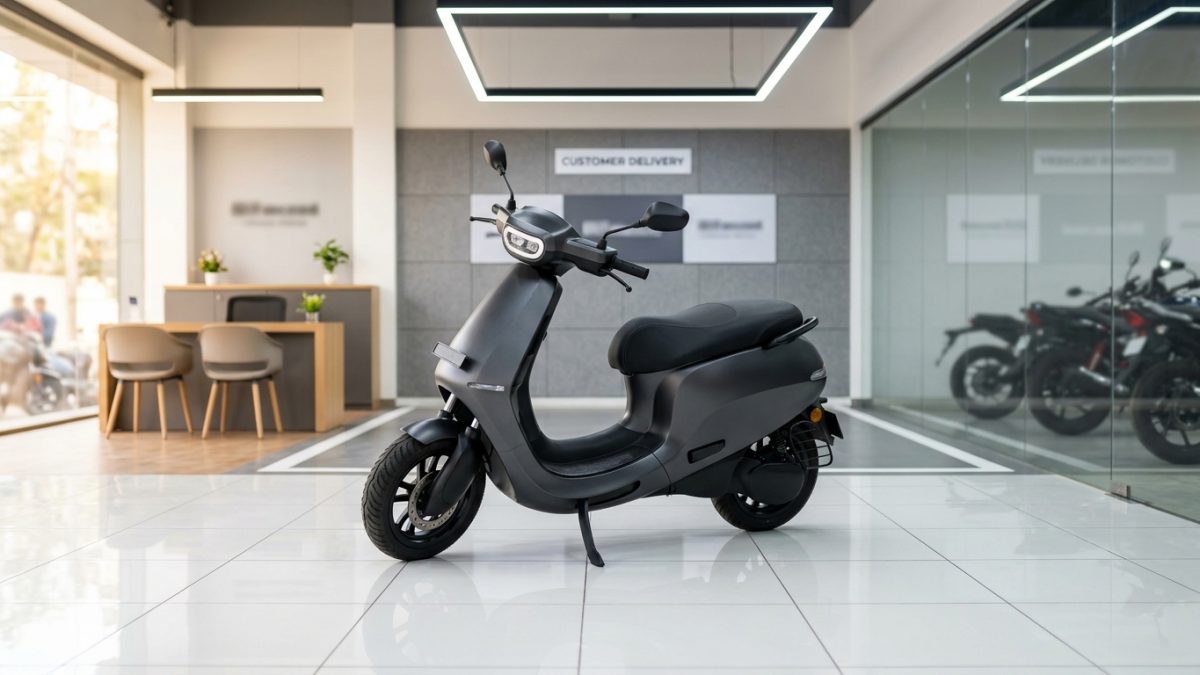
Registration across Indian states operates through the digital Vahan 4.0 infrastructure overseen by the Ministry of Road Transport and Highways (MoRTH). Authorised dealers handle file submissions directly before delivery.
- Submit identity documentation: Provide your Aadhaar card for online e-KYC verification alongside local address documentation.
- Generate dealer sale forms: The dealership issues Form 20 (registration application), Form 21 (sale certificate), and Form 22 (manufacturer roadworthiness certificate).
- Upload details to Vahan: The showroom executive inputs your chassis number, engine number, and insurance policy directly into the Vahan portal.
- Remit statutory road taxes: Motor vehicle tax, RC smart card fees, and registration levies are processed through the online gateway.
- Secure RTO approval: The local Registering Authority verifies digital records and approves the permanent registration mark without physical vehicle inspection in most computerized RTOs.
- Install High-Security Plates: The authorised dealer receives and affixes the High-Security Registration Plate (HSRP) with laser-branded serials before issuing your delivery gate pass.
Once registered, you can verify your registration status, chassis record, and tax validity online using our RC details search tool.
Petrol Micro-Hybrids vs Electric Scooters: Which Should You Buy?
With electric two-wheelers expanding their footprint across tier-1 and tier-2 cities, deciding between a petrol hybrid scooter and an electric model comes down to your daily commute distance and parking setup.
| Metric | Petrol Micro-Hybrid | Electric Scooter |
|---|
| Average Upfront Price | ₹90,000 – ₹1,12,000 on-road | ₹1,15,000 – ₹1,55,000 on-road |
| Running Cost per km | ₹1.80 – ₹2.30 (Petrol) | ₹0.30 – ₹0.45 (Electricity) |
| Refuelling / Charging | 2 minutes at any fuel pump | 4 to 6 hours home charging |
| Ideal Daily Commute | Under 25 km or mixed highway | 35 km or higher daily city run |
When to Choose a Petrol or Hybrid Scooter
Choose a petrol micro-hybrid if you commute fewer than 20 to 25 kilometres per day. At that distance, the substantial fuel savings from an EV take over five years to offset the higher upfront purchase cost.
Petrol scooters are also the practical choice if you live in multi-storey apartments lacking dedicated ground-floor power sockets, or if you regularly undertake spontaneous 100-plus kilometre out-of-town trips where public fast chargers remain unavailable.
When to Transition to Electric Mobility
If your daily work round-trip exceeds 35 to 45 kilometres through dense city congestion, electric platforms like the TVS iQube or Ather Rizta offer drastic operating savings. Running expenses fall from over ₹2.00 per kilometre on petrol down to under ₹0.40 per kilometre using home electricity. For a preview of upcoming battery-powered models, read our guide on upcoming electric scooters in India.
Before signing delivery forms on any new vehicle, ensure your driving credentials are valid by running a driving licence status check, and clear any historical traffic notices on previous vehicles using our challan search portal.
Conclusion
Choosing the right model from the latest new scooter launch in India requires balancing real-world mileage against storage ergonomics and on-road taxation. Whether you opt for the massive 33-litre boot of the new TVS Jupiter 110, the micro-hybrid efficiency of the Yamaha RayZR, or the proven metal construction of the Honda Activa, calculate the complete on-road price including 5-year insurance before making your booking.
Always refuse unlawful dealer logistics charges, compare financing terms across multiple NBFCs during the festive window, and verify your vehicle credentials on the official Vahan portal upon taking delivery.